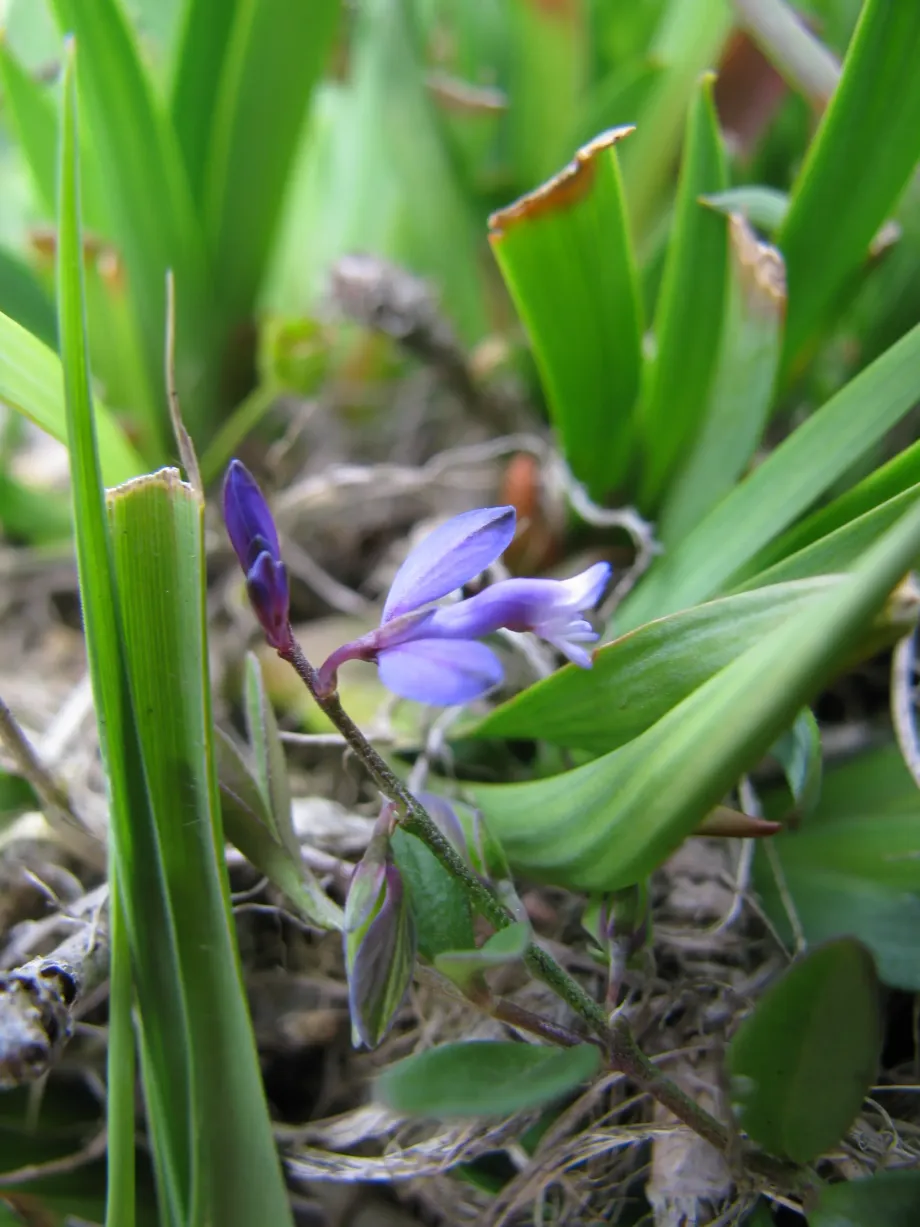
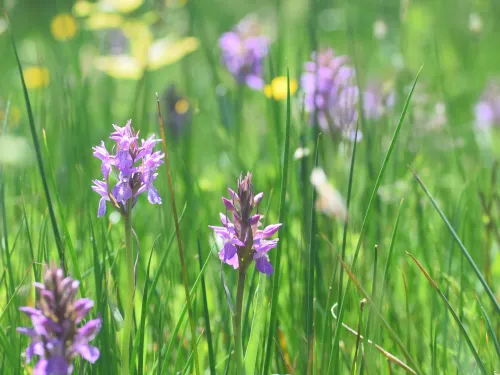
A delicate purple heath milkwort amongst green leaves.
©️ Margery Thomas

June on Hothfield Heathlands: Cuckoos & nightingales

Cuckoos, nightingales, broad bodied chaser dragonflies, demoiselles, bog hoverfly, poplar beetle, scorpion fly, lackey moth caterpillar, basking lizard, speckled wood, orange tip, small heath and small copper butterflies – just some of the May sightings on the reserve, all to the background of frantic parents feeding fledgling birds, in a chilly wind.

The volunteers have welcomed new recruits and continued tree pulling and fencing work. They may look like the start of an alien invasion but the big white bags hanging from trees are being used to monitor insect life across the reserve. In mid-May Area Warden Will Glasson led an evening session sighting bats, newts and other amphibians using detecting equipment. 

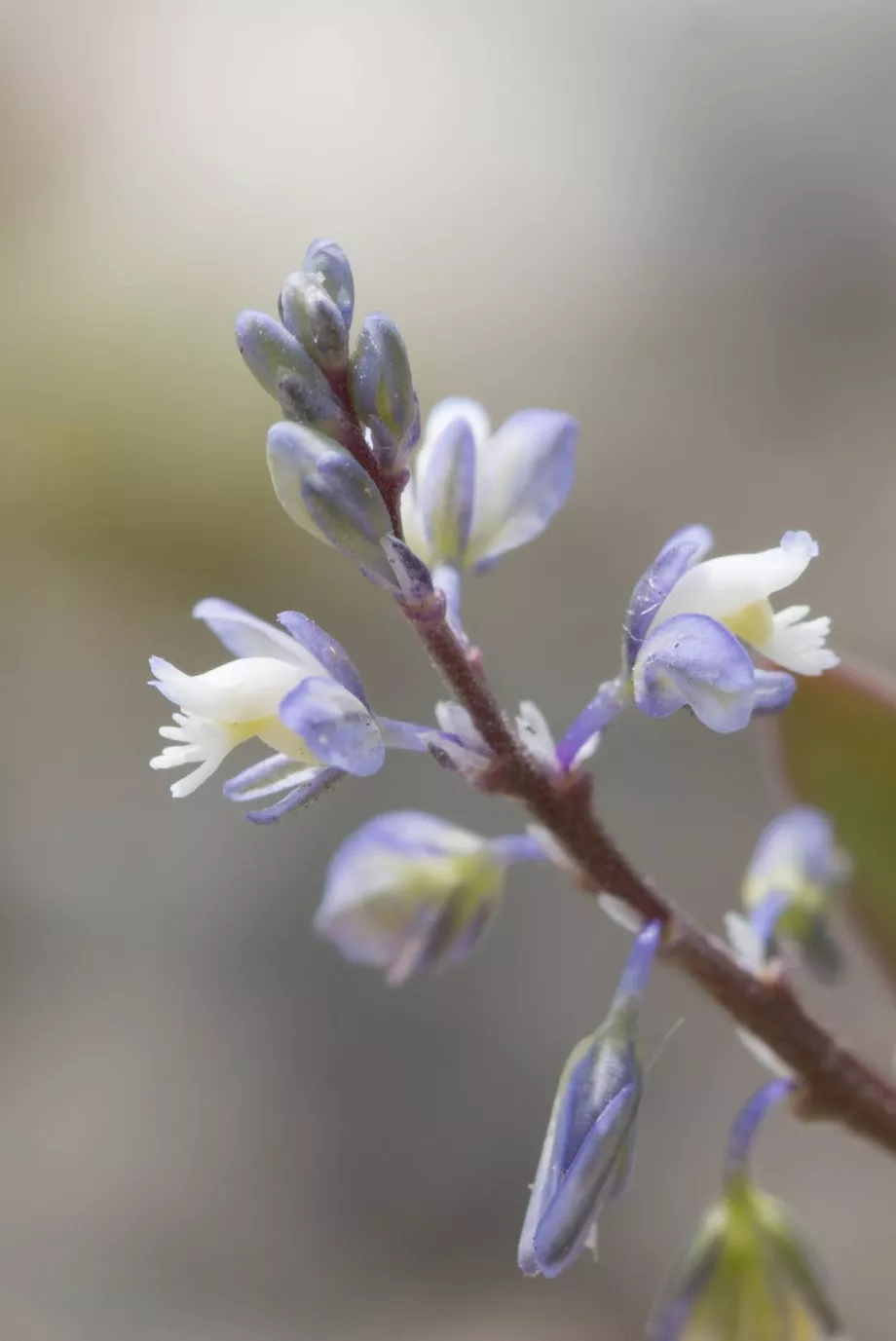
From May through the summer one of the daintiest plants flowers on the damper areas around the bogs catches the eye, occasional glints of deep blue heath milkwort Polygala serpyllifolia. The flowers can be white or pinkish white, are only 6 mm long in small spikes on low growing or trailing slender stems up to 25cm tall. The unusual flowers are worth a close look, a white or pale tube, finely lobed at the end and with a lip, flanked by two leaf-shaped petal-like sepals which enclose the tube when in bud like two tiny blue leaves pressed flat together, which open wide like two wings revealing the nectar-bearing tube to pollinating bees.  

©️ Margery Thomas

The larger flowers of the tropical and subtropical shrubs in the family, sold sometimes as greenhouse plants, show this unusual structure very clearly. Each flower produces just two seeds, which have an elaiosome, a nutritive oil body to attract ants to help disperse the seed. It is found across the British Isles and is an axiophyte of heaths, growing in poor acid soil in old grazed grasslands and intolerant of chalky soil.

By contrast, its diminutive cousin, Polygala amarella only grows in short chalk or limestone turf or bare soil, is far less common and has what the indomitable Margaret Bradshw described as ‘a remarkably disjunct distribution’, found in Craven in Yorkshire, Teesdale in County Durham, Orton in Cumbria and on the North Downs in Kent. In 2013 when it was on the brink of extinction in Kent, Kent Wildlife Trust launched a species recovery project with partners The Species Recovery Trust, Royal Botanic Gardens Kew and local volunteers. 

During the project, the Kent milkwort has been identified as a subspecies, Kentish milkwort, Polygala amarella subsp. Austriaca, the rarest milkwort and in even greater need of conservation. 

Plants from seed collected locally and cultivated by Kew were planted at sites in 2021, the colony at Queendown Warren increasing from 17 plants in 2021 to 1,245 self-sown plants this year. With greater understanding of the conditions the plant needs and the ability to collect more seed for introduction to new sites, what a success.

Back down from the Downs to Hothfield. I think this is my one hundredth article written for Hothfield and Westwell Parish mags. I will always be grateful to Ian Rickards, then Area Warden, for suggesting I take on writing the articles he wrote at the invitation of the parish councils to keep residents informed about this amazing site on their doorstep. My first article was in March 2016. Ian still had to write several that year as I went travelling for three months! By 2017 the articles were being published as blogs on the KWT website. As an amateur botanist and long-time member of KWT it has been a huge pleasure to collaborate with Ian and Area Warden Will Glasson and get to know the amazing volunteers. I’ve learned so much about everything else that inhabits this reserve and about the management of this very special and fragile place we are so lucky to have nearby.  

Margery Thomas


I continue to enjoy and learn from Margery’s monthly articles and am forever grateful for her wonderful writing skills and endless enthusiasm. A huge thank-you from myself, Kent Wildlife Trust, and the rest of the readership.
Ian Rickards, Area Manager


10 years of articles

A huge thank you to Margery for her efforts, time, and dedication to Hothfield Heathlands over the past decade.

Below you can read Margery's very first article for KWT, written in March 2016!

Read here


I so enjoy reading Margery's articles every month. Her detailed observational writing and technical knowledge brings me joy and new understanding! To have written 100 articles - and to have volunteered for the Trust for more than 10 years - is just brilliant, and we are hugely grateful.
Rosie Parry-Thomson, Marketing Officer

Read more of Margery's blogs

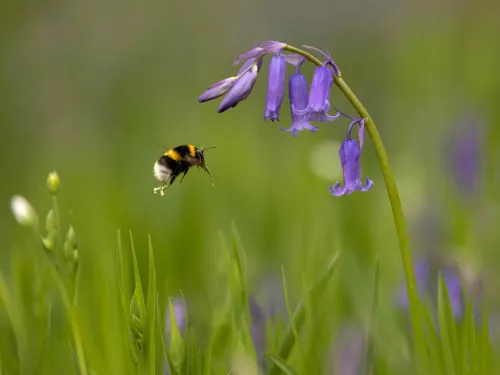
Bumblebee and a bluebell
©️Jon Hawkins – Surrey Hills Photography

May on Hothfield Heathlands: Magical bluebell weeks

Blog

The glossy green spears that pierced dense leaf litter in late winter are now transformed into sheets of violet-purple-blue in the woodland edges of the reserve. The magical bluebell weeks began fairly early, a soft scent and a flood of colour that…

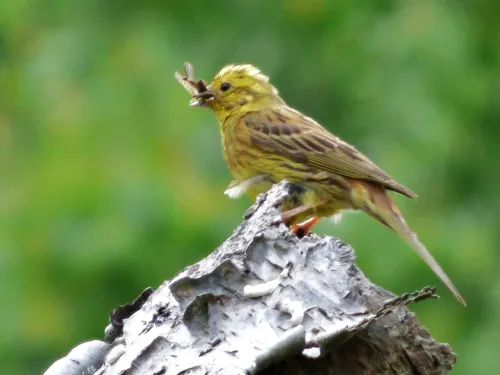
Yellow hammer with lunch
©️ Val Butcher

April on Hothfield Heathlands: Highland cows & nesting birds

Blog

We are into full nesting season including the birds who nest on the ground or very low down in scrub, which is over half of Britain’s breeding species including the stonechat, robin, blackbird, skylark, yellow hammer, tree pipit and chiff chaff, not to…

Peacock butterfly on a leaf
Ian Rickards

March on Hothfield: Spring is in the air

Blog

It’s all happening, and unlike February, this month you can see and hear the signs, including the welcome trickling of water thanks to leaky dams and, yes, an awful lot of rain, so the squelch of mud on paths as well. Birds are calling, to defend…