Reed mace
©️Margery Thomas

February on Hothfields: A spotlight on reed mace

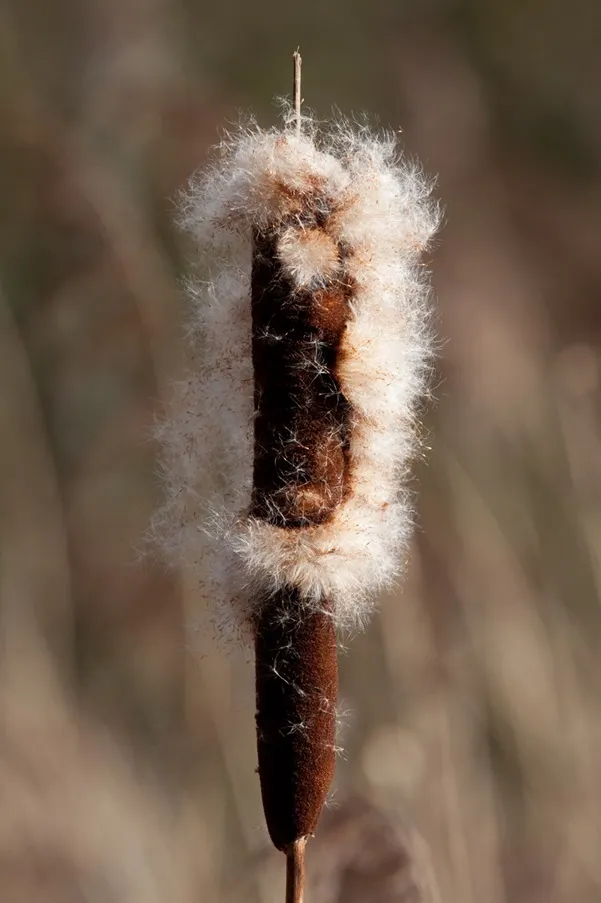
It’s all happening, though it doesn’t look like it on a driech day in February. Early flowers, busy birds, hibernation easing, fungi glittering or glistening, twigs colouring, sap rising, buds swelling. And disintegration. Across the bogs, the velvety brown sausages on sticks of the great reedmace, Typha angustifolia, and also  the smaller seedheads of Typha x glauca, a sterile hybrid with lesser reedmace, that withstood the winter gales are now distinctly dishevelled. Cottony fluff carrying tiny seeds flies everywhere or is pecked off by birds to line nests. 

Ian Rickards (Area Manager) reminded me that this plant is often improperly called bulrush. In some classic paintings of "Moses in the bulrushes" the more interesting Typha latifolia is depicted rather than the real bulrush Scirpus lacustris. Moses was never part of the creation story of North American First Nations, but great reedmace, known to them as cattails, most definitely is, and for some nations this is a sacred plant. One Potawatomi name bewiieskwinuk means ‘we wrap the baby in it’ while the Mohawk name means the cattail wraps humans in her gifts. In Braiding Sweetgrass the ethnobotanist Robin Wall Kimmerer describes students on a field trip harvesting cattails in an unpolluted Adirondak marsh and learning how the entire plant meets their needs over five weeks. Long waxy-coated leaves with aerenchyma, large spongy air-filled cells at the base for aerating submerged rhizomes, are woven into rainproof and insulating wigwam walls, sweet-smelling sleeping mats, baskets or sandals, or split and twisted into all grades of cordage and weaving fibre. The antimicrobial gel that protects the leaf bases and keeps them moist in dry periods eases sunburn and bites. Students eat the roasted starchy rhizomes, munch raw or cook the shoots, nibble kebabs of unfertilised female flower heads, add the yellow pollen (protein) to pancakes made with the starch from the cut rhizomes, stuff cushions and bedding with seedhead fluff and add it to a tinder pouch. Their torches are seedheads dipped in oil. Once used to make rafts, chair seats, arrow shafts and drills for friction fire, it is now harvested in the USA to make pulp for food trays.

Reed mace - typha angustifolia. ©️Vaughn Matthews

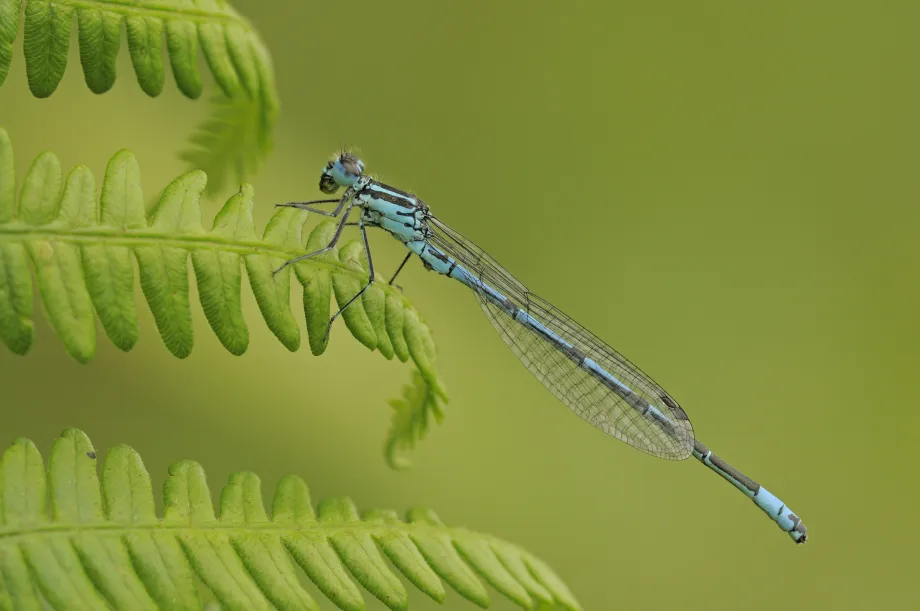
Here reedmace has been used since prehistoric times, was part of the strewing herb mix covering dirt floors to keep bugs and smells at bay, and is known to modern foragers. Trials growing Typha in sustainable paludiculture on re-wetted agricultural peat are being carried out in the Great Fen in East Anglia. Potential end markets for the large volumes of biomass produced are insulation board (Typhaboard), hollow fill insulation, bioenergy from burning raw or pelleted material or use in bioethanol fuel production. At Chat Moss (peatland), Greater Manchester, Lancashire Wildlife Trust is running trials with the landowner and tenant farmer. Typha seed, either in clay pellets or in a cellulose gel, was sown by agri-drones. Last year machinery modified by the farmer harvested just the seedheads, for use as BioPuff® to replace goose feather down in padded jackets. Typha only grows in water so the peat remains wet and stores carbon, as do the plants, thus reducing greenhouse emissions, which are monitored. Biodiversity monitoring at Chat Moss already shows a nearly 400% increase in dragonflies and damselflies on the Typha field, compared to the control site. A bioremediator, it absorbs nutrients and toxins, so grown upstream of other crops would improve water quality downstream for crops requiring less or no nutrients, for example sphagnum moss

©️Dawn Monrose

Meanwhile on the Reserve reedmace adds to the mosaic of habitats, providing food and shelter for water fowl, frogs, toads and water voles, dragonflies and damselflies and other underwater nymphs as well as a soft bed for this spring’s nestlings. 

Margery Thomas

Hothfield Heathland
©️Ian Rickards

Visit Hothfield Heathlands

Rich in flora and fauna, this important reserve contains Kent's last four valley bogs and one of its few remaining fragments of open heath.

More info