
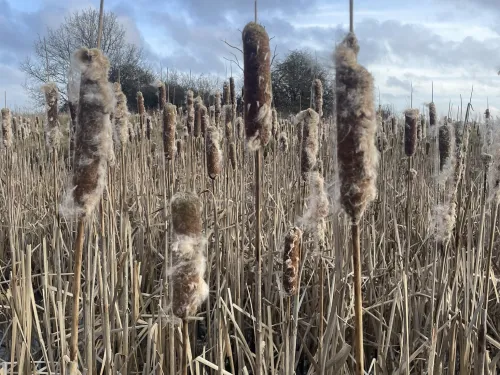
February on Hothfield Heathlands: A spotlight on reed mace
Long-time volunteer Margery Thomas explores the wildlife at Hothfield Heathlands in February, where reedmace tells a story...
Learn more about the wildlife and wild places in Kent and beyond.
Long-time volunteer Margery Thomas explores the wildlife at Hothfield Heathlands in February, where reedmace tells a story...
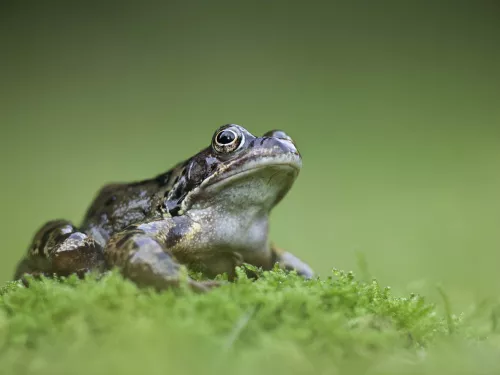
Hibernation, brumation, and torpor - these 6 species adopt these survival strategies to survive the long, cold UK winters.
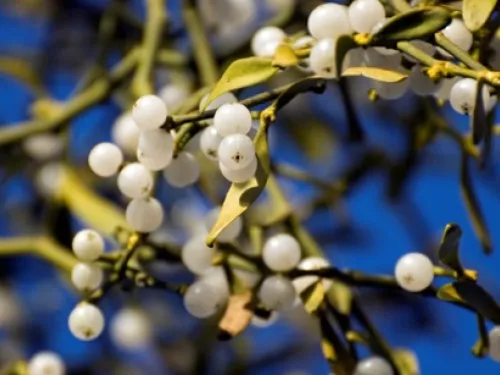
Did you know, mistletoe is a hemiparasitic plant - meaning they attach to their host using a structure called the haustorium. They're fascinating plants with a rich cultural history. Learn more in this blog.
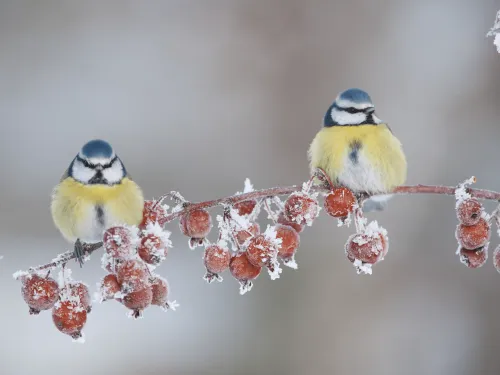
Wilder Gardens Officer, Ellen Tout, talks about her favourite parts of the winter garden and what you can do to make your space a sanctuary for wildlife.
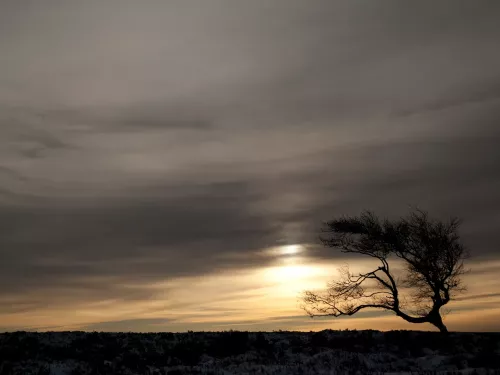
As winter takes hold, and you repeatedly find yourself commenting on how dark it is at 5pm, don’t despair. The colder months give us some excellent opportunities to connect with nature. Here are our top five tips for connecting with nature this winter…
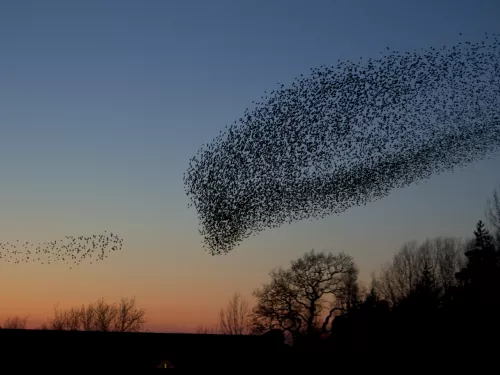
Now winter has drawn in, seeking out wildlife spectacles may seem strange. However, nature does not take a hiatus during the colder months, and the winter landscape is teeming with remarkable displays of wildlife.
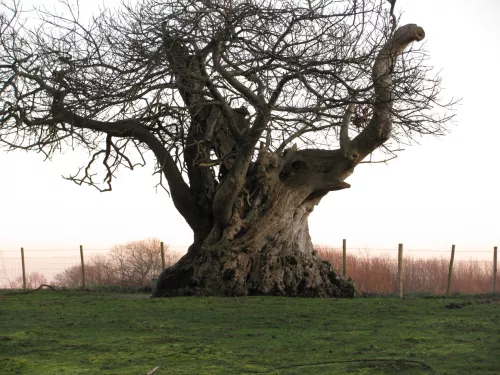
It’s hard not to admire a tree in summer when it dazzles us with its foliage and flowers but trees in winter can be majestic too. In this blog, we celebrate National Tree Week with eight amazing trees to look out for on your next winter walk.
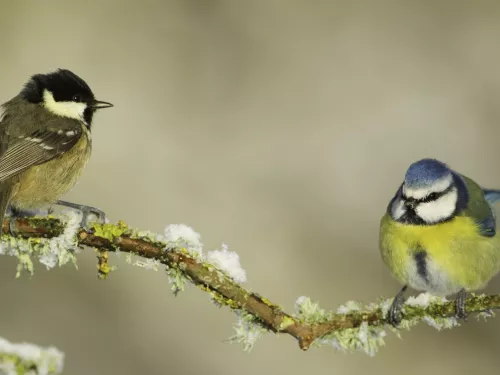
While the weather is getting colder and we are turning up the heat and getting cosy at home, it's easy to forget about the wildlife outside. Take a look at a few ways to help wildlife this winter!