
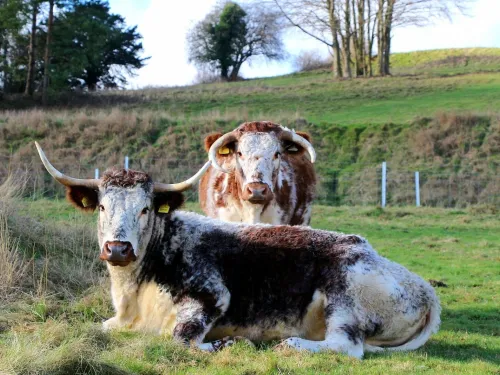
At Ironhurst Valley
We must invest in seed mixes, fencing, livestock infrastructure, water supply, monitoring, invasive species management, and access improvements.

This investment restores habitats, protects wildlife and safeguards our natural heritage for future generations. We're hugely appreciative of all of your support!
Thanks to your generous support, we've raised £46,000 through our Back from the Brink appeal to help keep nature's recovery moving forward. This investment restores habitats, protects wildlife and safeguards our natural heritage for future generations.
By restoring natural processes and giving nature the time and space it needs to recover, we can begin to reverse these devastating declines. Wilding is a proven, cost-effective approach; it helps wildlife return, habitats recover, and ecosystems become more resilient.
Thank you for being part of that recovery.
As part of our multi-year KWT Nature Restoration Fund powering recovery through a series of targeted fundraising sprints, we are shining a light on the challenges nature faces - and the sheer power of wilding as a solution.
We know what's possible when we work together to bring nature back from the brink.
Learn more about the Nature Restoration Fund
Every month, we must invest £130,000 to keep nature’s recovery moving forward. This investment restores habitats, protects wildlife and safeguards our natural heritage for future generations – and it can only happen with the support of people like you.
By restoring natural processes and giving nature the time and space it needs to recover, we can begin to reverse these devastating declines. Wilding is a proven, cost-effective approach; it helps wildlife return, habitats recover, and ecosystems become more resilient.

Helping to create rolling fields of fragrant wildflowers.

Enabling conservation grazers to revitalise damaged soils.

Supporting our amazing volunteers to tackle invasive non-native species.

Supporting reserves on their wilding journey this year.
Too often, wilding is presented as a finished picture. But nature's recovery is not just an instant transformation achieved by clearing scrub and planting trees as a one-off intervention. It is a longterm process that unfolds over decades – requiring patience, expertise, continued care and, most importantly, investment.
The journey of restoration can be broken down into three crucial stages:
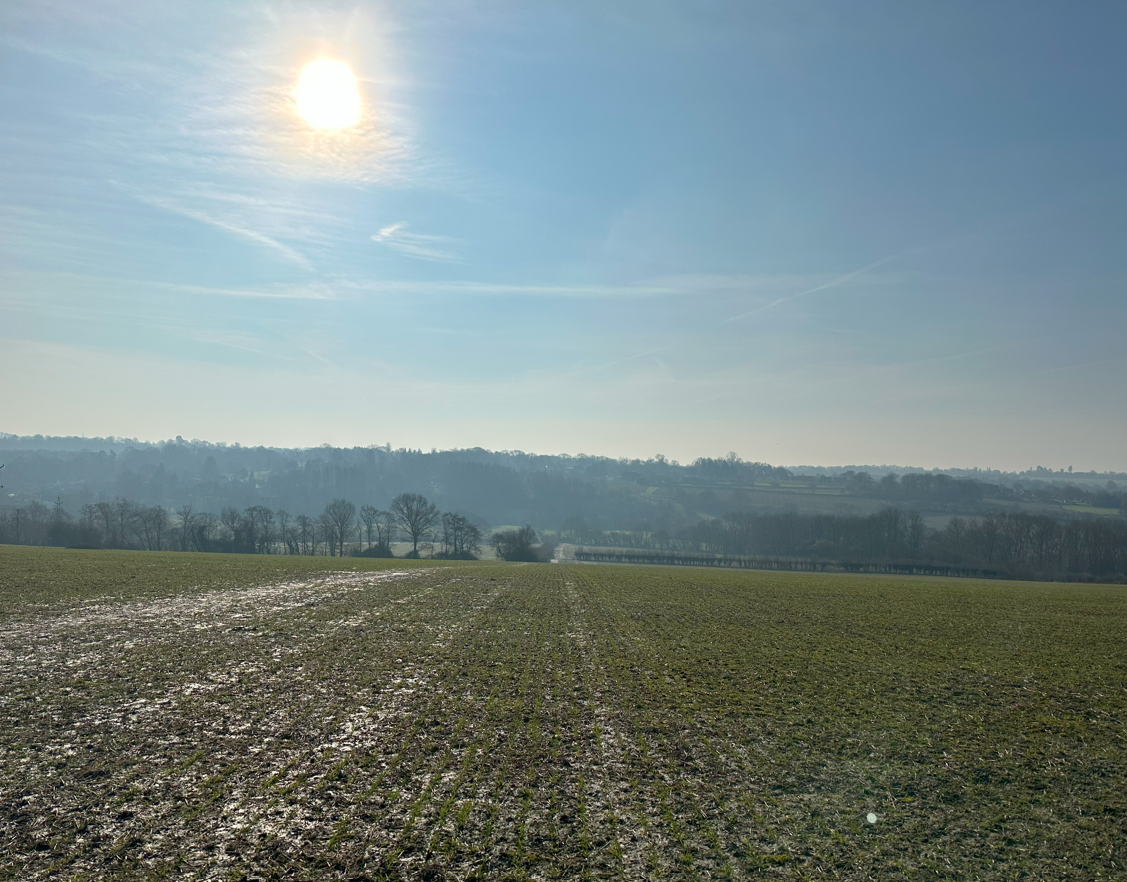
At Ironhurst Valley, Lamberhurst, decades of productive land management have changed the soil structure and nutrient balance, contributing to erosion and faster water run-off into river systems. The river corridor at Ironhurst Valley has been historically modified over time, while woodland connectivity and biodiversity have become increasingly limited. But that is all beginning to change.
We are...
Sowing wildflower and grass seed mixes to stabilise soils
Using low densities of longhorn cattle to encourage natural wildflower regeneration
Planning hedgerow restoration from winter 2026.
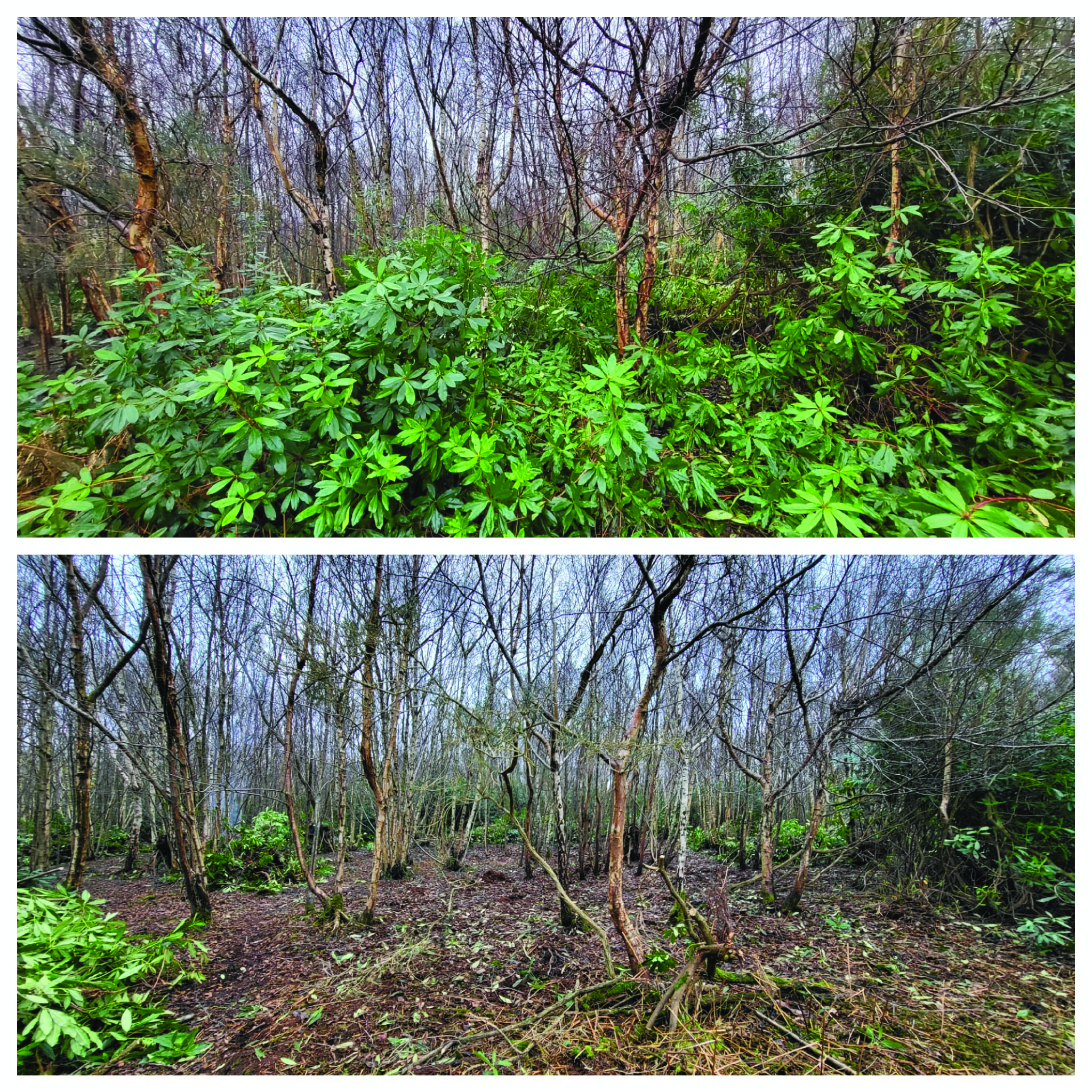
Much of this South Blean site was a former conifer plantation where heathland, wet woodland and bog habitats had become fragmented or degraded. Dense rhododendron dominated large areas of woodland, crowding out native plantlife.
We have...
Cleared around 6 hectares of rhododendron
Worked to restore bog habitats and the site’s natural hydrology
Begun to see the return of nightingales, and an increase in nightjars, tree pipits, dragonflies, grass snakes, frogs, and toads!
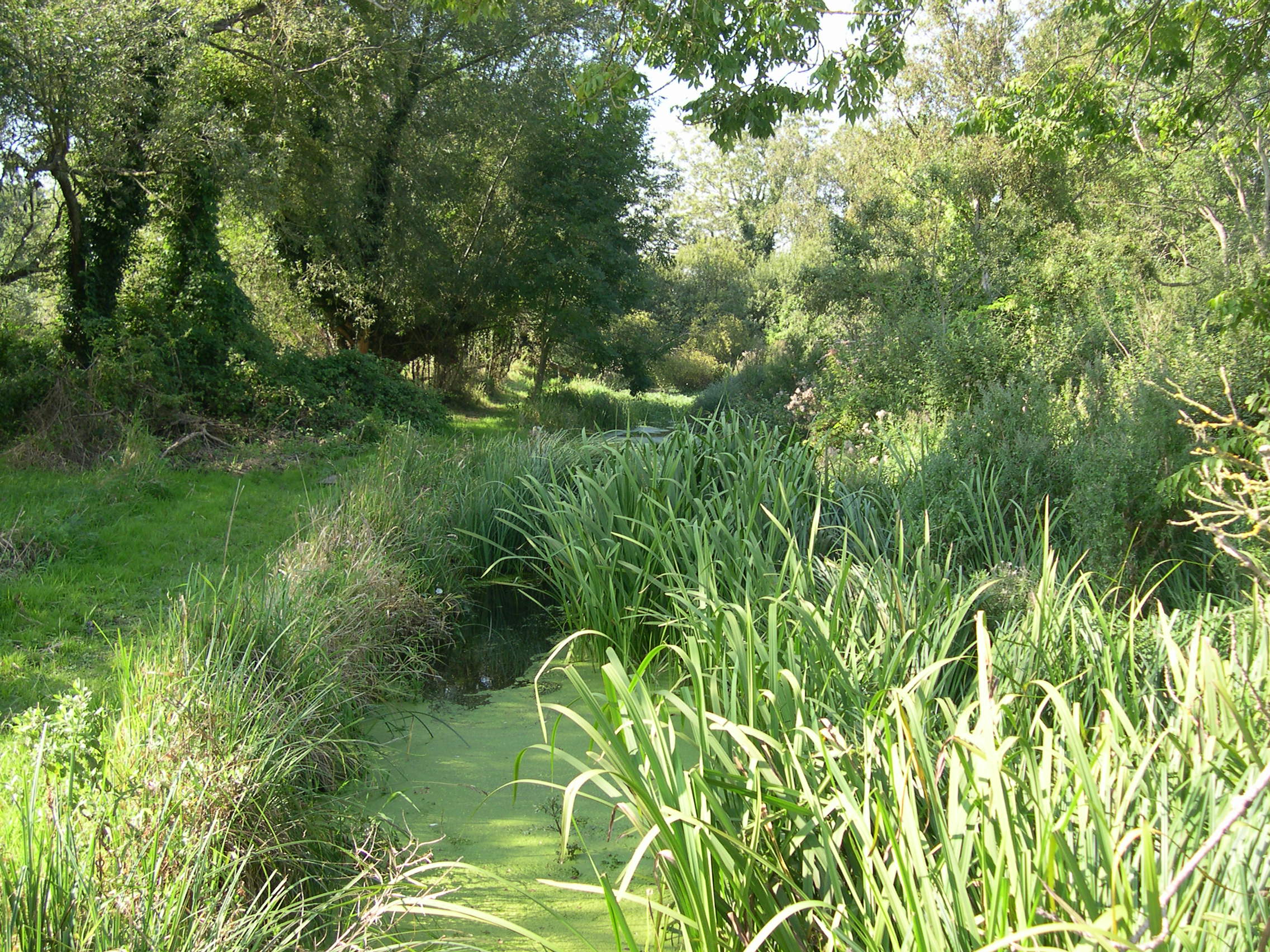
When we first acquired Ham Fen in the 1980s to protect one of the last remaining fragments of fen habitat in Kent, decades of agricultural improvement and drainage had heavily degraded the landscape.
Now...
Beaver-created wetlands help store water during heavy rainfall
The landscape is complex mosaic of channels, pools, and wet grassland
The reserve supports a huge range of species, from marsh orchids and greater tussock sedge to dragonflies and even water voles.
We must invest in seed mixes, fencing, livestock infrastructure, water supply, monitoring, invasive species management, and access improvements.
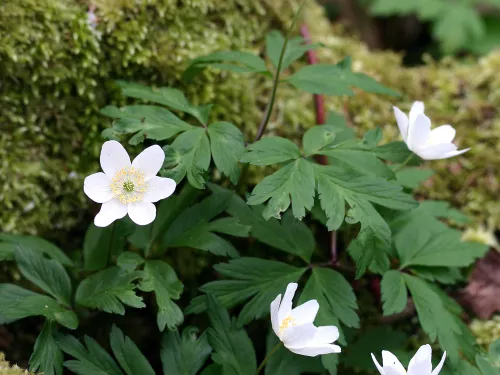
We have an ambitious long-term vision for a connected woodland and wetland mosaic stretching across a wider landscape network. Plus, yearly management continues to cost tens of thousands of pounds every year.
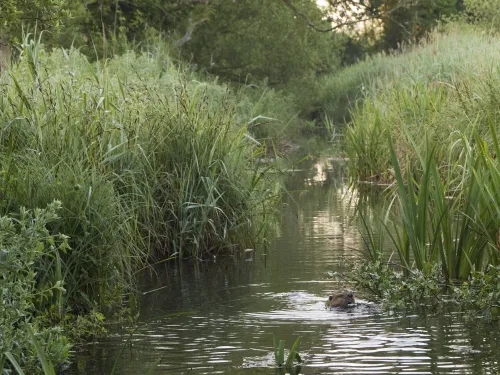
Even while nature does the bulk of the work, continued support is still essential. Fencing installed more than 25 years ago now needs replacing at a cost of around £50,000, as well as boardwalks, bridges, and ditches requiring traditional management.

Back from the Brink formed a part of our most ambitious appeal yet – the KWT Nature Restoration Fund. To help power the next stage of restoration across Kent, please consider donating today – or spreading the word.
New projects and land acquisitions often capture people's imagination. But the most urgent need is often to care for the places we already protect. Without investment in this essential work, the habitats and species that depend on them could be put at risk.
Across the charity sector, funding for core conservation work is becoming increasingly difficult to secure. Although managing our reserves can be described as 'business as usual' by some, there is nothing ordinary about protecting nature every day. As a charity whose main source of income is philanthropic support, and despite our efforts to diversify our income, securing core funds is one of the most challenging aspects of charity fundraising right now. There is no alternative source of funding for much of this vital work.
Despite this, our work cannot stop or slow; reserves need protection now. Back to the Brink aims to secure vital funds needed to carry out this work, while simultaneously offering us the chance to have an open conversation about the realities of what it takes to sustain nature's recovery.
September marks the start of a new financial quarter for Kent Wildlife Trust. It's the point at which we finalise budgets and confirm the conservation work we can carry out across the 90 nature reserves in our care.
Right now, we're facing a shortfall in the funding needed to deliver essential winter conservation work across these sites. Our target of £130,000 represents just one month's investment in protecting and managing Kent's nature reserves. If we reach this target by 1st September, we can begin the season with confidence, knowing this vital work is funded, while continuing to develop innovative ways to secure the long-term future of nature in Kent.
Our goal is to raise £130,000 to secure one month's essential conservation work across the 90 nature reserves in our care. If we exceed this target, every additional pound will help restore and protect nature across Kent.
If we don't reach our target, every donation will still make a difference. The funds raised will be invested directly into our conservation work, helping to protect Kent's wildlife and habitats where the need is greatest. We'll also continue working hard to identify new sources of funding, develop innovative income streams, and carefully manage our costs, but without enough support we may have to reduce or delay some planned conservation work.
If you have any questions, please ask by emailing: [email protected]
At Kent Wildlife Trust, we believe wilding is one of the most effective ways to restore nature, creating resilient, wildlife-rich landscapes by allowing natural processes to recover. But wilding doesn't mean simply leaving nature alone.
Many of Kent's landscapes have been shaped by people for centuries, sometimes beyond recognition, so restoring natural processes still requires careful management. That can include reintroducing eco-system engineers, reconnecting habitats, monitoring wildlife, controlling invasive non-native species, maintaining the health and welfare of grazing animals, and ensuring sites remain safe and accessible for visitors.
Wilding is about working with nature rather than controlling it. Human intervention is still essential—we're simply taking nature's lead.
The Nature Restoration Fund is Kent Wildlife Trust’s biggest ever appeal aiming to raise £3m by 2030. This ambitious target represents the urgency we now face to tackle the concurrent nature and climate crises.
To shine the spotlight on our wonderful habitats and vibrant species, we’ll be breaking the appeal down into three focused sprints each year. This means that the funding target for each sprint contributes to the overall £3m goal – but it gives everyone the opportunity to support the work they connect with.
As we launch the Back from the Brink appeal, there are no active opportunities for match funding, however we’re always on the lookout and will let you know if this changes. If you are interested in offering a match fund, it’s never too late to get involved.
If you are fundraising to support this appeal, many companies offer match funding to their employees. Just ask your manager or HR representative, and we’ll be happy to provide any documentation they require.
Get in touch with us at [email protected] to discuss match funding.
Yes, if you are a UK taxpayer, you can Gift Aid your donation to make it go even further. At no cost to you, Kent Wildlife Trust will be able to claim an extra 25% on top of your donated amount. Just complete our Gift Aid declaration found here or get in touch with us at [email protected] if you have any questions.
Did you know that Gift Aid rules have changed? All it means is that we now need your full first name to submit a claim. So, if you haven’t completed a Gift Aid declaration for us recently but want to ensure we can claim 25% extra on your donation, fill out another one today!
Kent Wildlife Trust relies on philanthropic donations from individuals, major donors, companies and trusts and foundations to fund our work. And, like everyone else, this money is not guaranteed.
While there are some payments that are available due to the land we manage, these only go a short way to funding the work that must be done.
Nature needs investment now to stand a chance at recovery, and unfortunately, no statutory funding is available that matches the scale and urgency needed.
There are many ways to help support your local or most loved reserve.
To help now you can:
Donate to the KWT Nature Restoration Fund
Sponsor a plot at Marden Meadows, Brenchley Wood or Lydden Temple Ewell or sponsor an entire reserve.
Become a Member of Kent Wildlife Trust from as little as £48 per year and help sustain our future
Become a Wilder Kent Patron, a new programme bringing together a dedicated community to support nature’s recovery. With tiers starting from £1,000 per year, and a suite of unique events. Learn more here: kwtg.uk/patrons-brochure or sign up using the form.
Help safeguard the future by leaving a gift in your will.
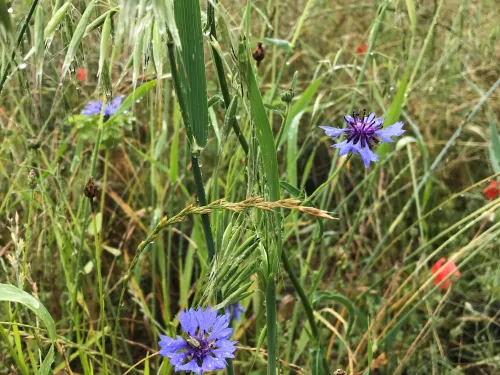
Chalk grassland – also known as chalk downland or lowland calcareous grassland – is an increasingly rare habitat and one of the richest in Western Europe. In England, it’s mostly found on the North Downs but there are also patches scattered along the East…
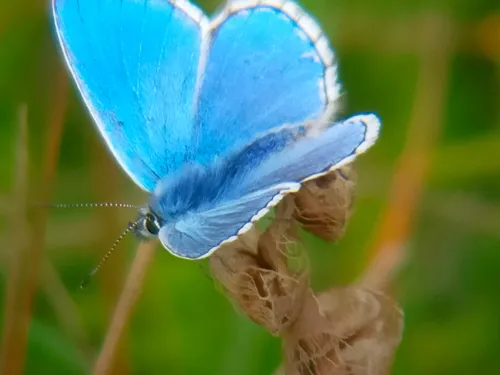
Butterfly expert Alan Sumnall offers a thorough guide to one of our most enchanting groups of butterflies – the blues.
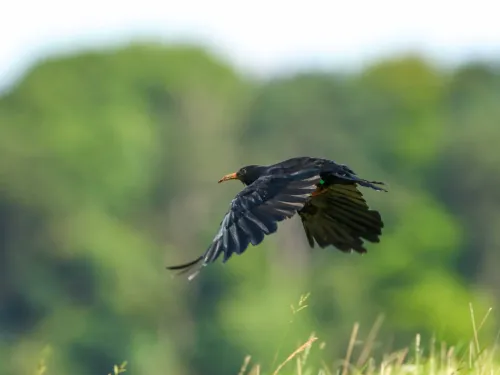
Indicator species can provide valuable insights into the environmental conditions of a particular area. Learn more about them and what they mean...
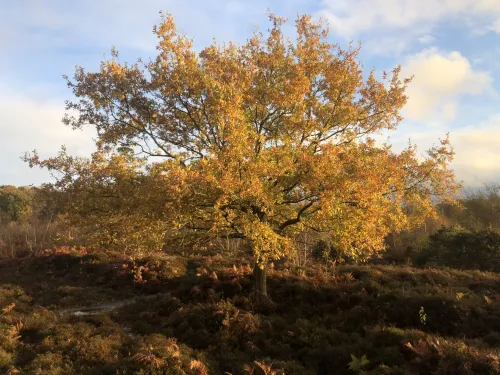
Asked to picture an ancient woodland, our minds conjure thickets of gnarled, towering trees where you could easily slip off the path and find yourself amongst the fellowship on the way to Mordor or perhaps come face to face with a witch. The truth is,…
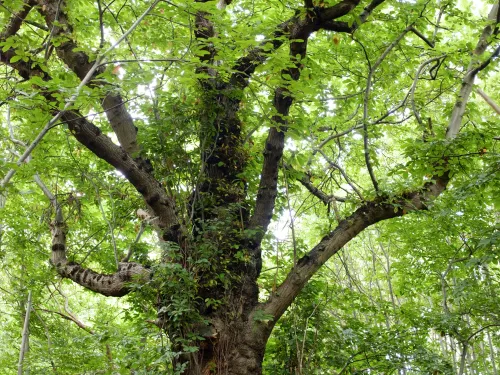
Ever wondered how planting trees or restoring soil can help fight climate change? Carbon sequestration is nature’s quiet housekeeping - learn more in this blog.
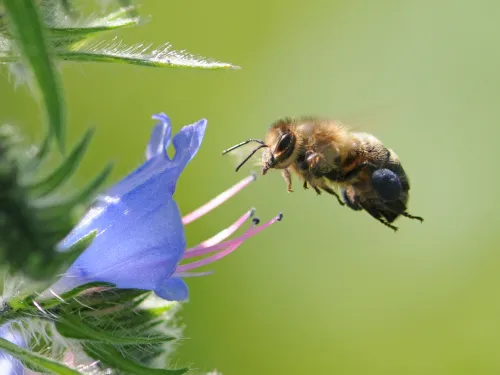
Healthy ecosystems give us everything we need to survive: water, clean air, food, and raw materials for building, making medicines... Learn more here.