

Indicator species vs keystone species
‘Indicator species’ is commonly confused with ‘keystone species’, a dominant species whose removal would catastrophically affect the ecosystem it is in. However, a species can be both an indicator species and a keystone species.
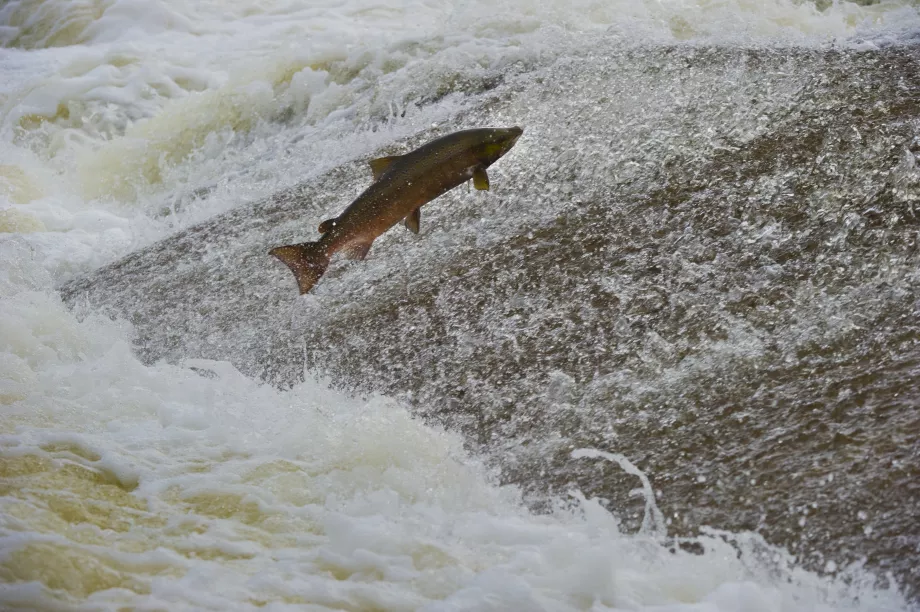
For example, salmon are both! Predators like bears rely on them as a food source, but they are also tracked by scientists and fisheries to grasp the health of freshwater ecosystems. If the water temperatures rise, salmon eggs are less likely to hatch, and warmer conditions can affect the plankton and other food sources they rely on to survive and grow. The disappearance of salmon signifies a change in the environment, but also greatly affects other species who depend on them.
© Rob Jordan
Examples of indicator species
Orchids
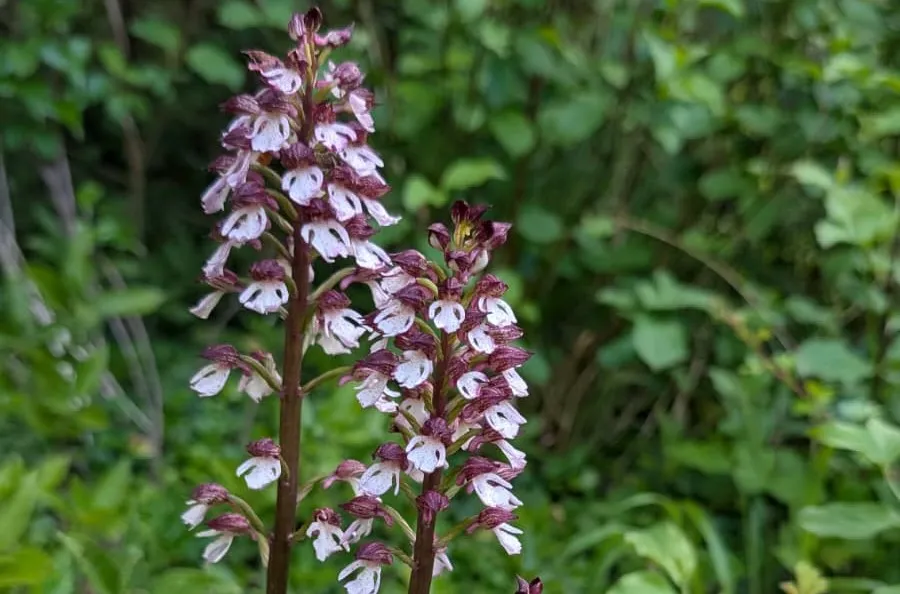
Many orchid species are considered excellent indicator species because they are so closely tied to the health of their habitat.
Often described as the "canaries in the coal mine" of the plant world, orchids can be surprisingly sensitive to environmental change. Many species rely on very specific soil conditions, moisture levels, and relationships with underground fungi to grow and reproduce. Even small changes to these conditions can cause populations to decline.
This sensitivity means that the presence of orchids can tell us a great deal about the health of a site. In species-rich grasslands, ancient woodlands, and chalk habitats, thriving orchid populations often indicate that the habitat has remained relatively undisturbed and retains the conditions needed to support a wide range of wildlife.
© Harry Jenkins
Conversely, when orchid populations begin to disappear, it can be a sign that something has changed. Nutrient enrichment, changes in land management, habitat fragmentation, or the impacts of climate change can all affect their ability to survive. By monitoring orchid populations, we can get valuable insights into the condition of a habitat and identify potential problems before they affect other species.
Across Kent, orchids can be found in some of our most wildlife-rich chalk grasslands, where their presence often reflects decades of careful habitat management. Read our recent blog about Kent’s wild orchids and why they matter here.
Frogs
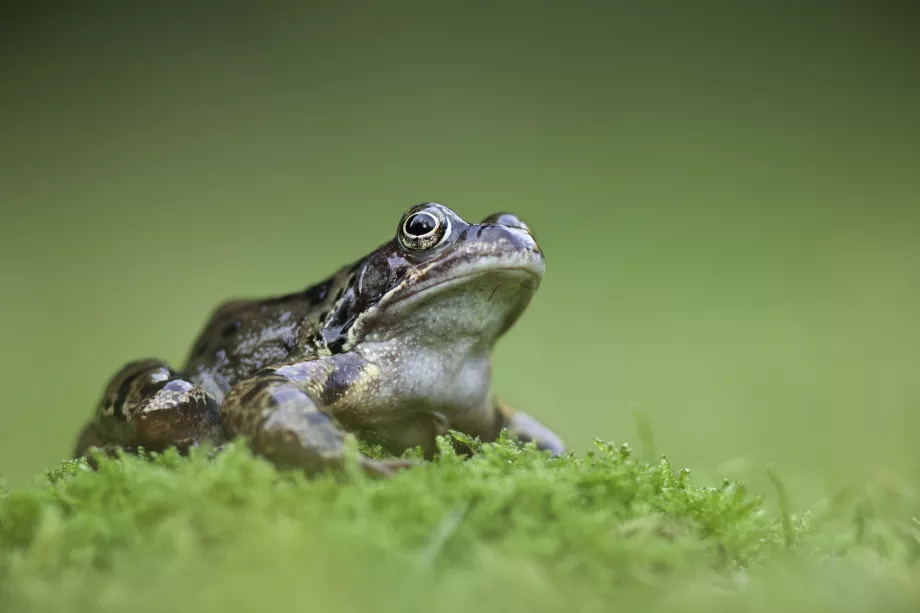
Species of frogs are widely used as indicators of both water and air pollution.
© Guy Edwardes
Due to their permeable skin, frogs are very susceptible to both air and water pollution. Through their skin, frogs absorb both water and air, so when environmental conditions change, they are often among the first species to be affected. When in contact with polluted water, frogs can absorb harmful fertilisers, chemicals, and pesticides. Atrazine, for example, has been linked to developmental changes that can affect reproduction.
Because amphibians are so sensitive to environmental change, declines in frog populations can act as an early warning sign that wider ecological problems are developing.
White-clawed crayfish
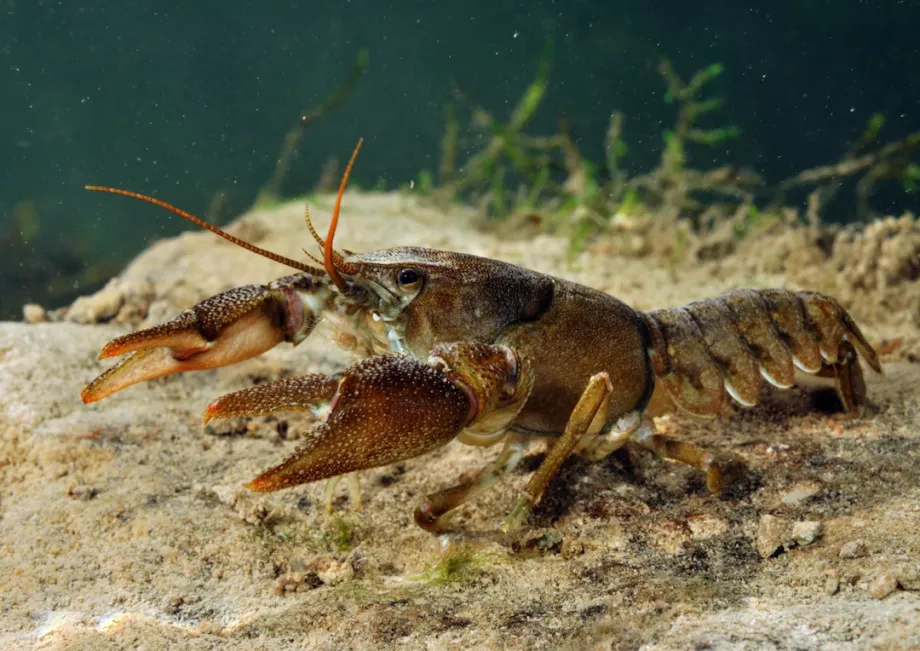
Another species that helps us monitor water quality is the white-clawed crayfish, the UK's only native crayfish species.
©️ Linda Pitkin/2020VISION
Sensitive to pollution, white-clawed crayfish are typically found in clean, well-oxygenated freshwater streams and rivers. Often hidden beneath rocks to seek shelter from predators, they are particularly vulnerable to environmental changes. Human impacts such as elevated metal concentrations, sediment pollution, and poor water quality can all affect their survival.
As crayfish breathe through gills, pollutants in the water can have a direct impact on their health. Where white-clawed crayfish populations are thriving, they can be a strong indicator of a healthy freshwater ecosystem.
Chough
A good indicator species is not always linked directly to pollution. Some species tell us about the overall health of an ecosystem.
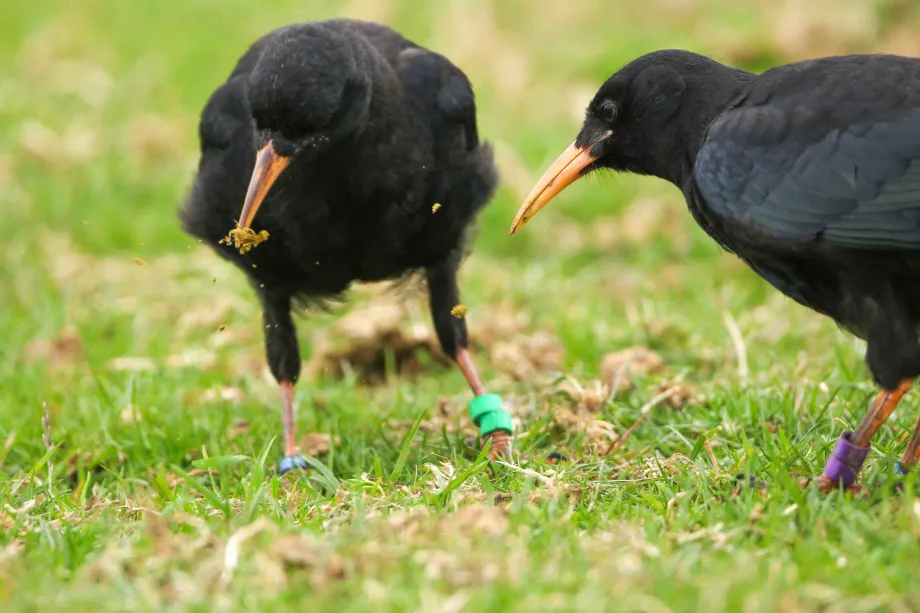
The chough, a member of the crow family, is often considered an indicator of healthy coastal grassland habitats. Choughs feed on insects and other invertebrates found in the soil. If soils become degraded or no longer support abundant invertebrate populations, choughs struggle to find enough food.
Tim Horton
A thriving chough population can therefore indicate healthy soils and a rich community of invertebrates beneath the surface. In this way, the species acts as a visible sign of a functioning ecosystem!
In Dover, we have been able to reintroduce the long-lost red-billed chough after four decades of work – alongside partners – to restore the chalk grassland habitat they rely on. Learn more about the chough reintroduction here.
Species presence and abundance
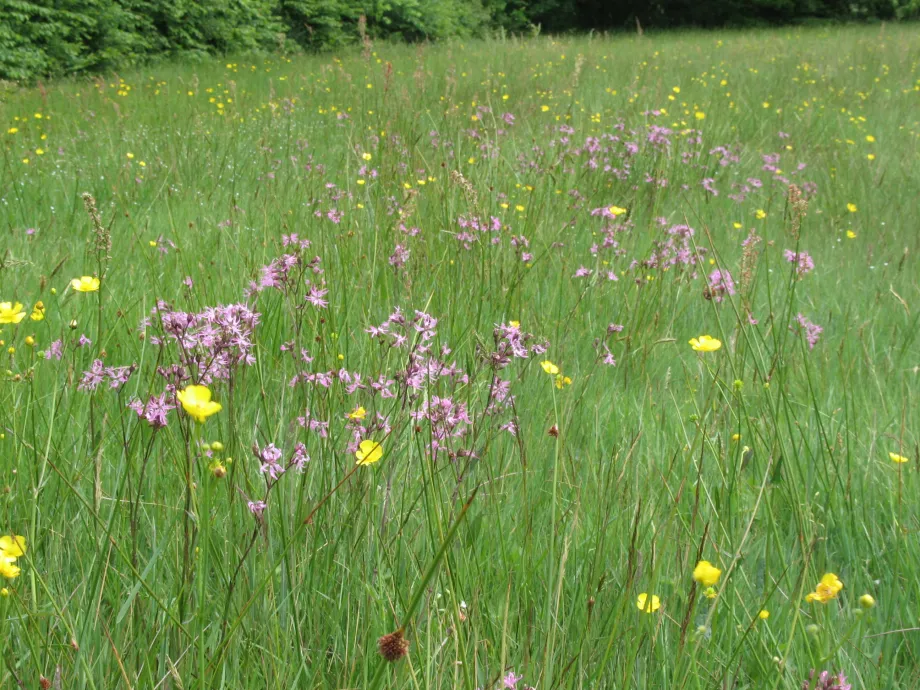
It’s worth mentioning that it’s not just about whether a species is present in an environment, but also how abundant it is.
A river containing a single mayfly or crayfish tells us something, but a river supporting large numbers of these species tells us much more. Healthy ecosystems are often capable of supporting abundant populations rather than just isolated individuals.
For this reason, conservationists increasingly look at species abundance alongside presence or absence. An abundance of mayflies, for example, is often associated with clean, well-oxygenated rivers. Likewise, healthy populations of white-clawed crayfish can indicate good water quality over a longer period of time.
Scientists are also exploring multi-species indicators, where several plants or animals are considered together. This approach can provide a more complete picture of ecosystem health, as different species respond to different environmental pressures.
© J. Weightman
Why indicator species matter
Indicator species help us understand what is happening in the natural world, often before problems become obvious to people. Whether they are frogs signalling pollution, white-clawed crayfish revealing the quality of a river, or orchids highlighting changes in a habitat, these species provide valuable clues about the health of our environment.
For conservation organisations like Kent Wildlife Trust, indicator species help guide habitat management, monitor change, and measure the success of restoration projects. By paying attention to these ecological clues, we can better protect the habitats and wildlife that make Kent such a special place for nature!

Bringing nature back from the brink
Lost indicator species. Growing numbers on the red list. Poor water quality. Nature is on the brink, but we’re rising to the challenge. Right now, we need to raise £130,000 by September to support nature on its vital journey to restoration. Can you support the appeal?