
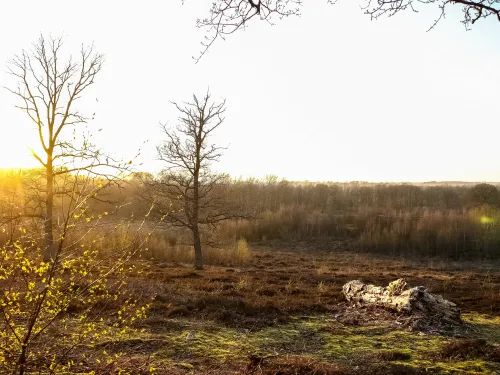
Changing seasons at Hothfield Heathlands
Blog
Ashford Area Warden, Will Glasson, explores autumn conservation and wildlife at Hothfield Heathlands - and how you can get involved.

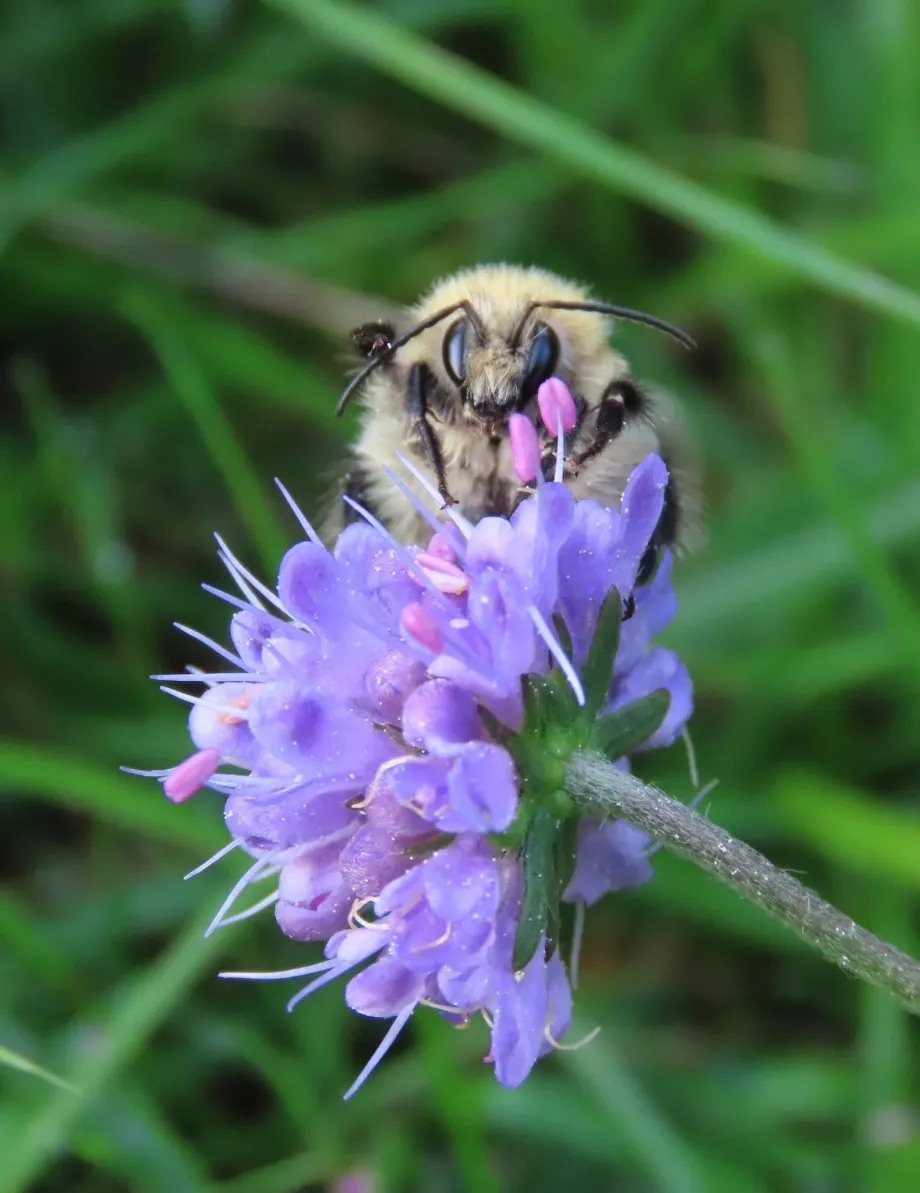
©️ Anne Rowe
Insect monitoring devices, Sea Land and Air Malaise (SLAM) traps, spotted hung from trees by many summer walkers, and checked monthly by Will Glasson for species presence and relative abundance plus an overall idea of biomass over time, were taken down in September. Birds and bats calls are also monitored using PAM (Passive Acoustic Monitoring recorders).
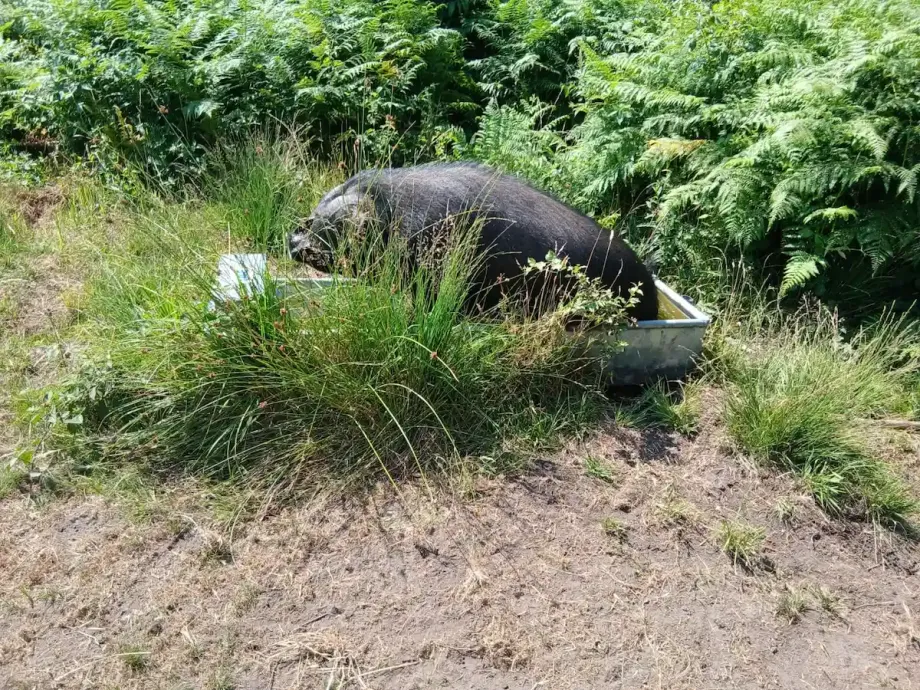
The pigs had returned this summer and quickly found their water trough ideal for cooling off in. Pigs’ skin burns easily and they require areas of permanent mud to coat their skin. The summer’s prolonged drought meant their wallows dried up for the first time in memory, and they went to rootle on a shadier reserve. Pigs dig up and eat bracken roots, as unlike other ungulates they can neutralise bracken toxins and carcinogens in their gut, thus help prevent it out-competing other plants as it’s very vigorous on Hothfield’s sandy soil. It spreads by rhizomes and releases chemicals inhibiting other plants so carpets a large area with no opposition, except from pigs and volunteer bracken bashers whose work helps weaken the plant. It is still a useful provider of food and shade to plants and wildlife.
A herd of Dexter cattle, a short-haired black breed with little horns, have replaced the Highland cattle, unlikely stars of Tik-Tok, and joined the Herdwicks and ponies, each with different grazing habits, which helps maintain the mosaic of habitats.
The fungi appeared gradually this autumn rather than in a rush. One of the most toxic, the death cap, emerged in September along with fly agaric, followed by, among others, tawny grisette, sulphur tuft, common inkcap and ‘a glorious hen of the woods’ which volunteer Anne Rowe had not seen before at Hothfield: ‘it's fairly uncommon so good to see’.
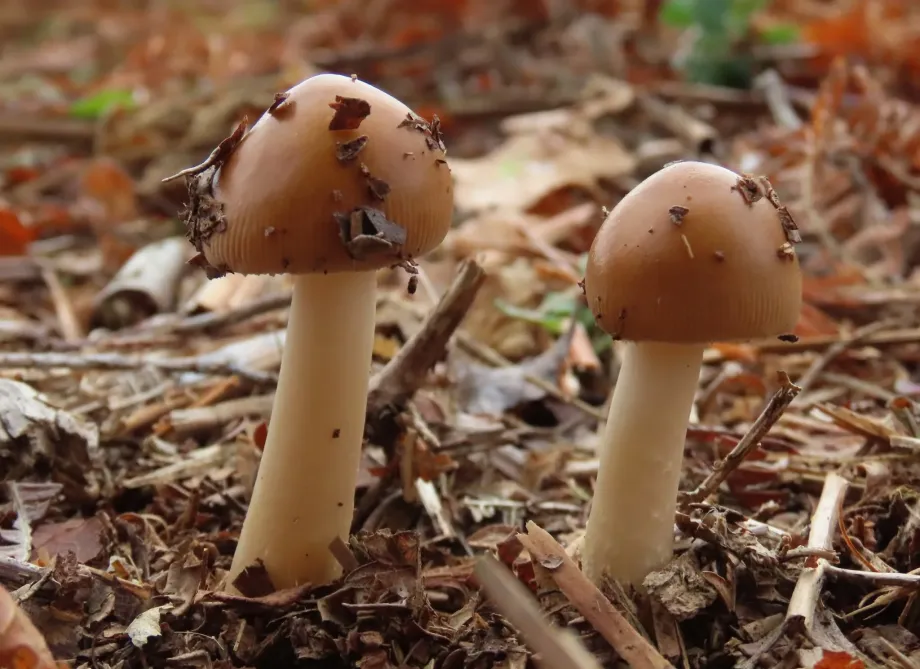
©️ Anne Rowe
Last month Plantlife and partners launched the first Global Strategy for Fungi, to understand, protect and restore fungi, ‘the hidden architects of life on Earth, nourishing our plants, storing carbon in our soils and supporting the ecosystems we all depend on.’ Please enjoy the fungi and take as many pictures are you like, but do not pick and leave them for others to enjoy and wildlife to eat.
November, a month of quiet magic, falling leaves, gleaming mosses, lichens and fungus, birds more visible through bare branches, wider vistas and perhaps the first migrants.
- Margery Thomas, Volunteer
A reminder from Ashford Area Warden Will Glasson that free-roaming livestock are present across the reserve so please keep dogs under close control or on lead particularly around our animals. Thank you for caring for this wonderful but fragile reserve.

Rich in flora and fauna, this important reserve contains Kent's last four valley bogs and one of its few remaining fragments of open heath.
Ashford Area Warden, Will Glasson, explores autumn conservation and wildlife at Hothfield Heathlands - and how you can get involved.
Margery Thomas, volunteer, has been writing articles about Hothfield Heathlands' flora and fauna since 2016. In this month's article, she reflects on some of August's sightings and recent updates.
It's been a hot few months on Hothfield Heathlands! Long-time volunteer, Margery Thomas, reflects on recent work and sightings.