

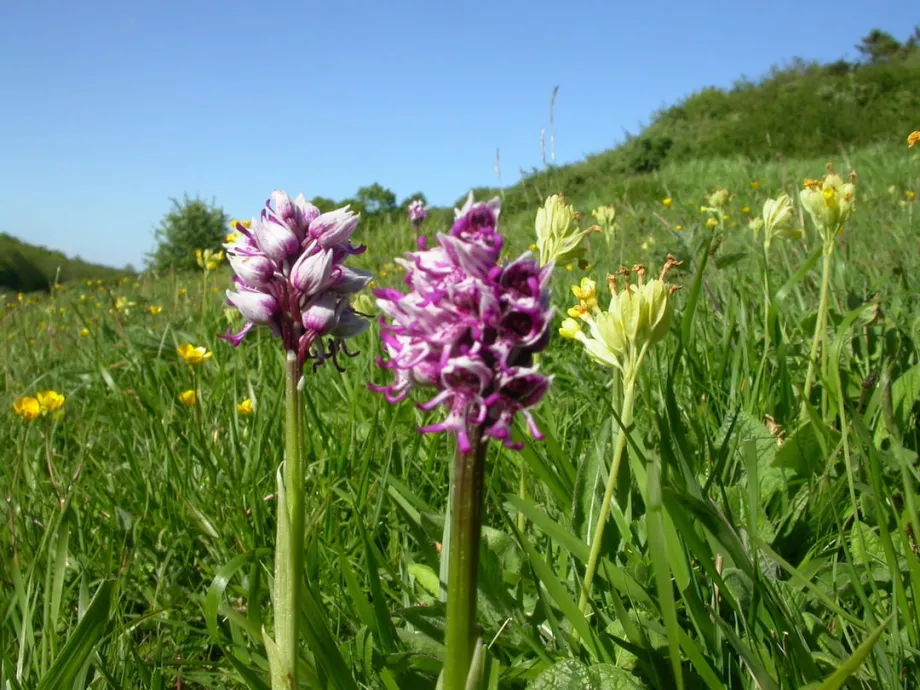
A monkey orchid at Park Gate Down.
Near Elham, this chalk grassland supports an amazing variety of orchids, including bee, pyramidal, and early purple orchids. It’s also one of three sites in the UK to boast the rare monkey orchid.
In late spring and summer, the reserve becomes a patchwork of colour and scent, with orchids growing alongside other great indicator species like cowslips and salad burnet.
Marden Meadow
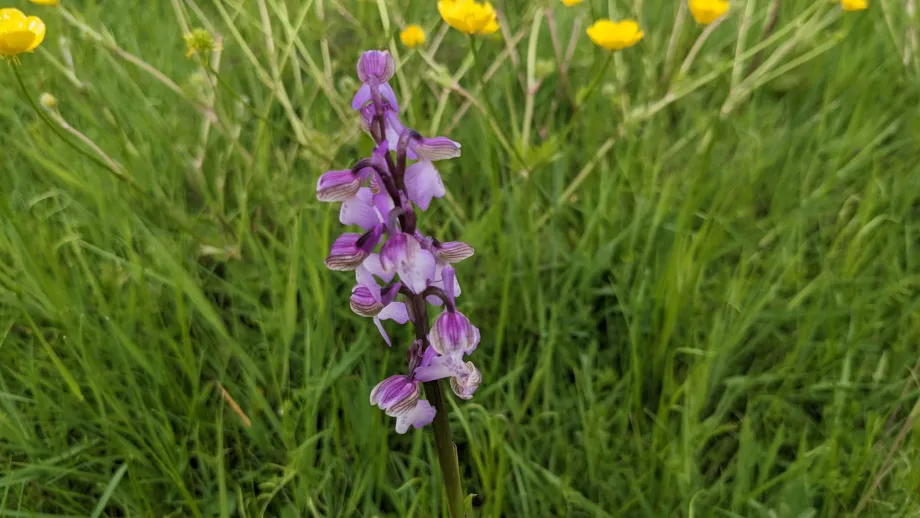
A green-winged orchid at Marden Meadow. © Natasha Aidinyantz
Marden Meadow offers something quite different. This traditional unimproved hay meadow is one of the best places in Kent to spot green-winged orchids (around May). Flower-rich meadows like this have largely disappeared from the UK due to agricultural intensification but were once common across the countryside.
Marden Meadow serves as a precious reminder of what much of the landscape once looked like.
Yockletts Bank
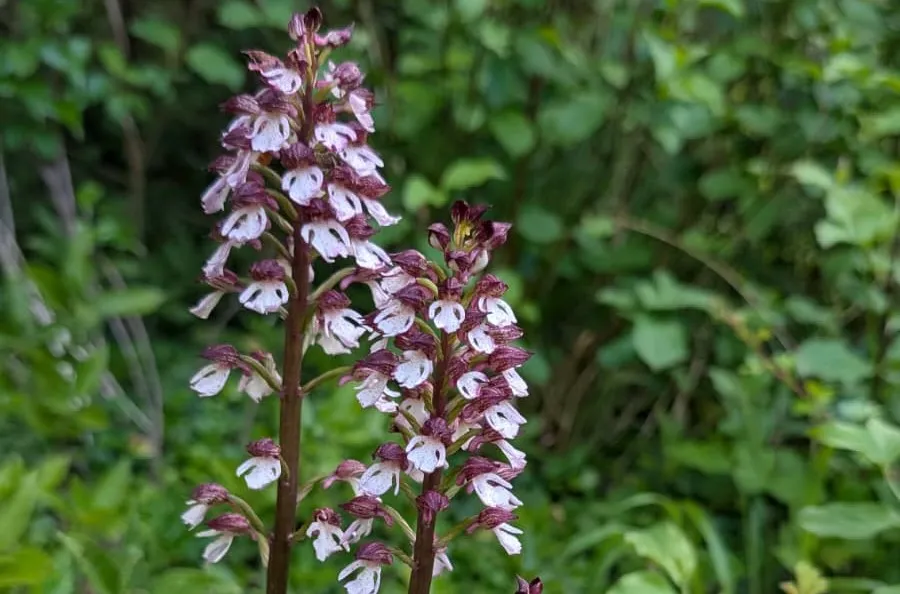
A lady orchid at Yockletts Bank. © Harry Jenkins
Another reserve celebrated by orchid enthusiasts, the combination of ancient woodland and open chalk grassland at Yockletts creates the ideal conditions for several species. Careful management like coppicing also helps maintain the diversity that orchids depend upon.
It’s one of the best sites for the lady orchid and there are also excellent colonies of twayblade, common spotted, early purple, fly, and other orchids.
About Kent’s orchid species
Some orchids are easier to spot and identify than others! The common-spotted orchid is the entry point for many people, with its pink-purple flower spikes and patterned leaves. Bee orchids are especially popular thanks to their uncanny resemblance to – you guessed it – a fuzzy bee. Their flowers evolved to imitate female bees, encouraging male bees to attempt pollination. Amazing, right?
Then there are Kent’s rarer species. Man orchids, with flowers resembling tiny hanging figures, can be found on carefully managed chalk grassland. Lady orchids, monkey orchids, and fly orchids are all found in parts of Kent too, often in very small and vulnerable populations.
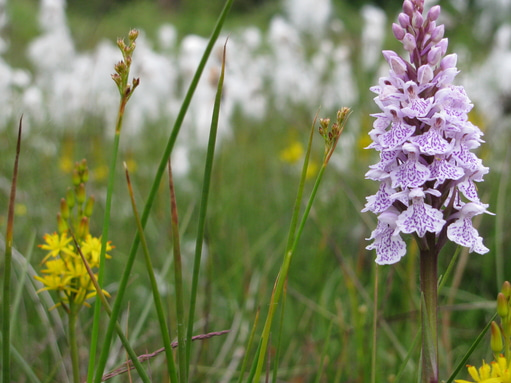
A heath spotted orchid
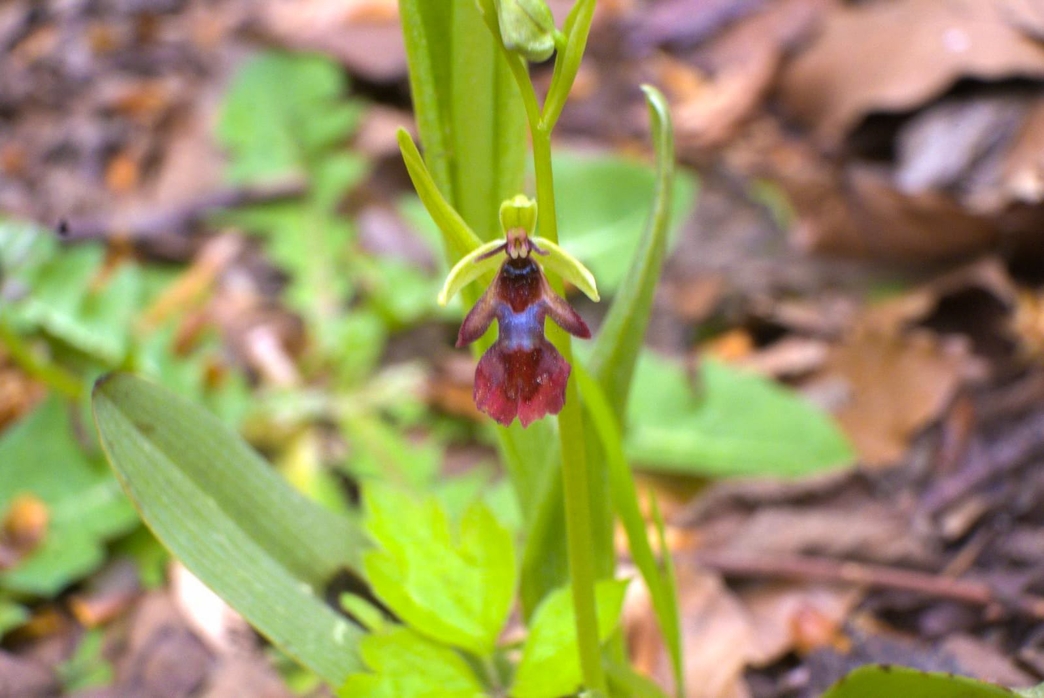
Fly orchid at Queendown Warren
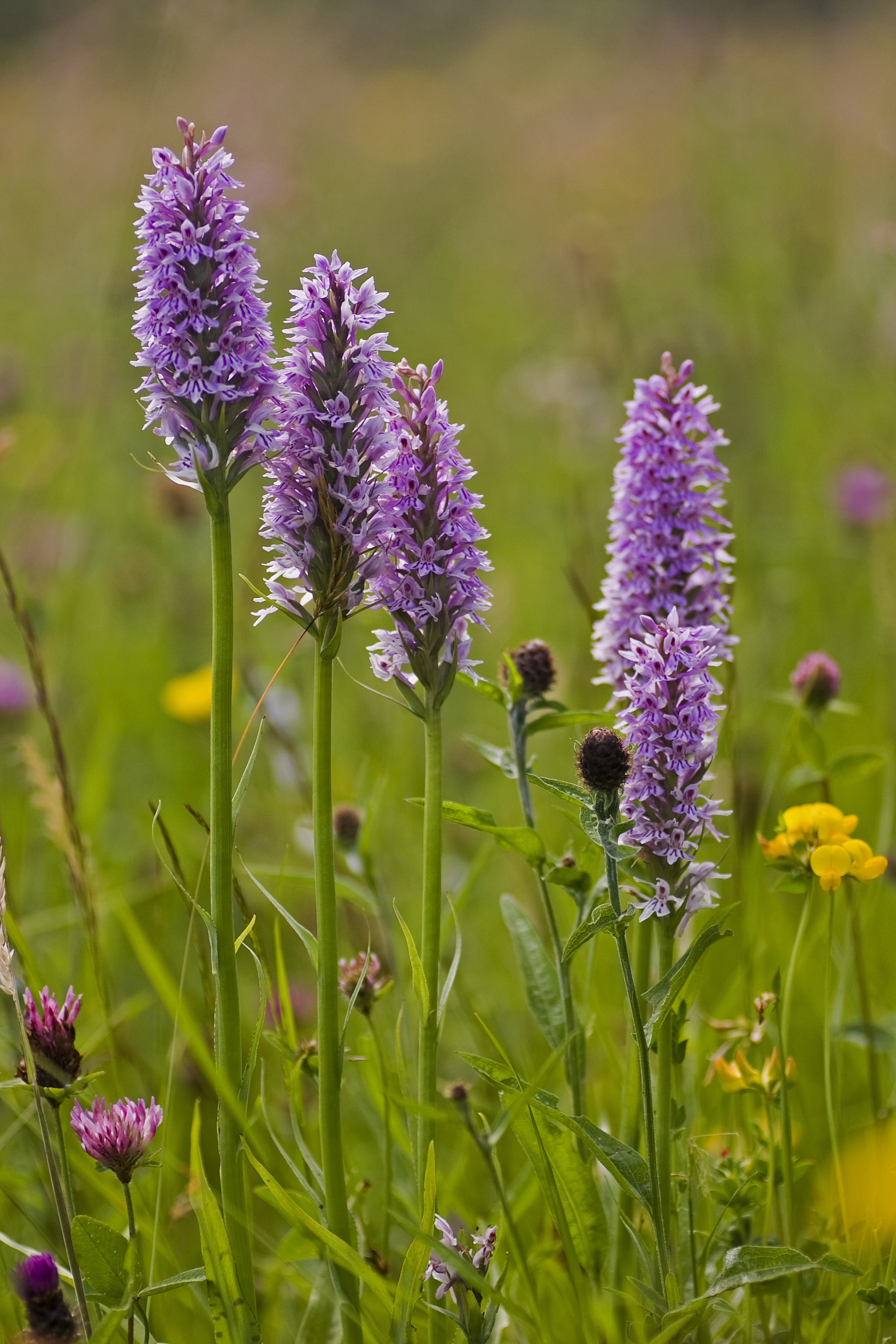
Common spotted orchids

Plants commendation - Brian Tabor, 'Man Orchid Up Close'
Not just pretty flowers
Orchids are indicator species – meaning their status in an area can tell you about the health of the habitat. In other words, they’re the ‘canaries in the coal mine’ of the plant world!
Why? Well, they’re generally very sensitive to changes in their environment. Anyone who has tried to keep cultivated orchids alive at home would be able to guess as much! As for wild orchids, many species require very specific soil conditions, traditional grazing patterns, or low nutrient levels to survive. Some depend on a single pollinator species. Plus, they need the help of fungi to germinate...
Unlike many plant species, orchid seeds contain almost no stored nutrients. In order to grow, they rely on symbiotic relationships with mycorrhizal fungi in the soil to supply the young plants with nutrients. These hidden networks connect orchids to the wider ecosystem just beneath our feet.
All of this means that when orchids disappear from a landscape, it’s often a tell-tale sign that something else has changed first. Perhaps the grassland has become too scrubby, fertiliser run-off has altered the soil chemistry, or traditional management techniques have been lost.
Healthy orchid populations, on the other hand, usually point to healthy habitats supporting a wide range of insects, fungi, and other wildflowers.
Orchids are hugely important for other wildlife, too – supporting pollinators like bees and butterflies. In fact, the whole ecosystem benefits from their presence.
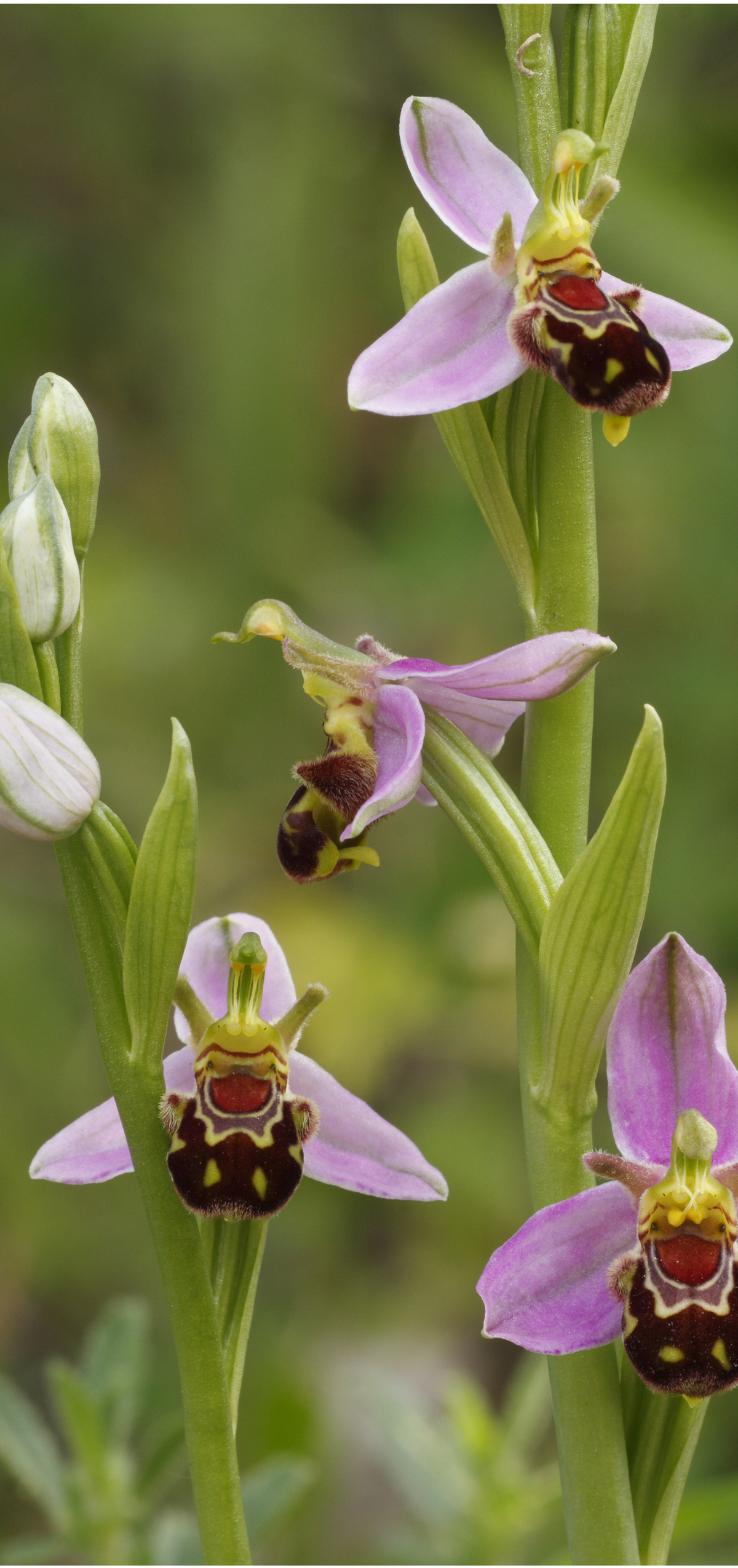
Bee orchids at Tyland Barn
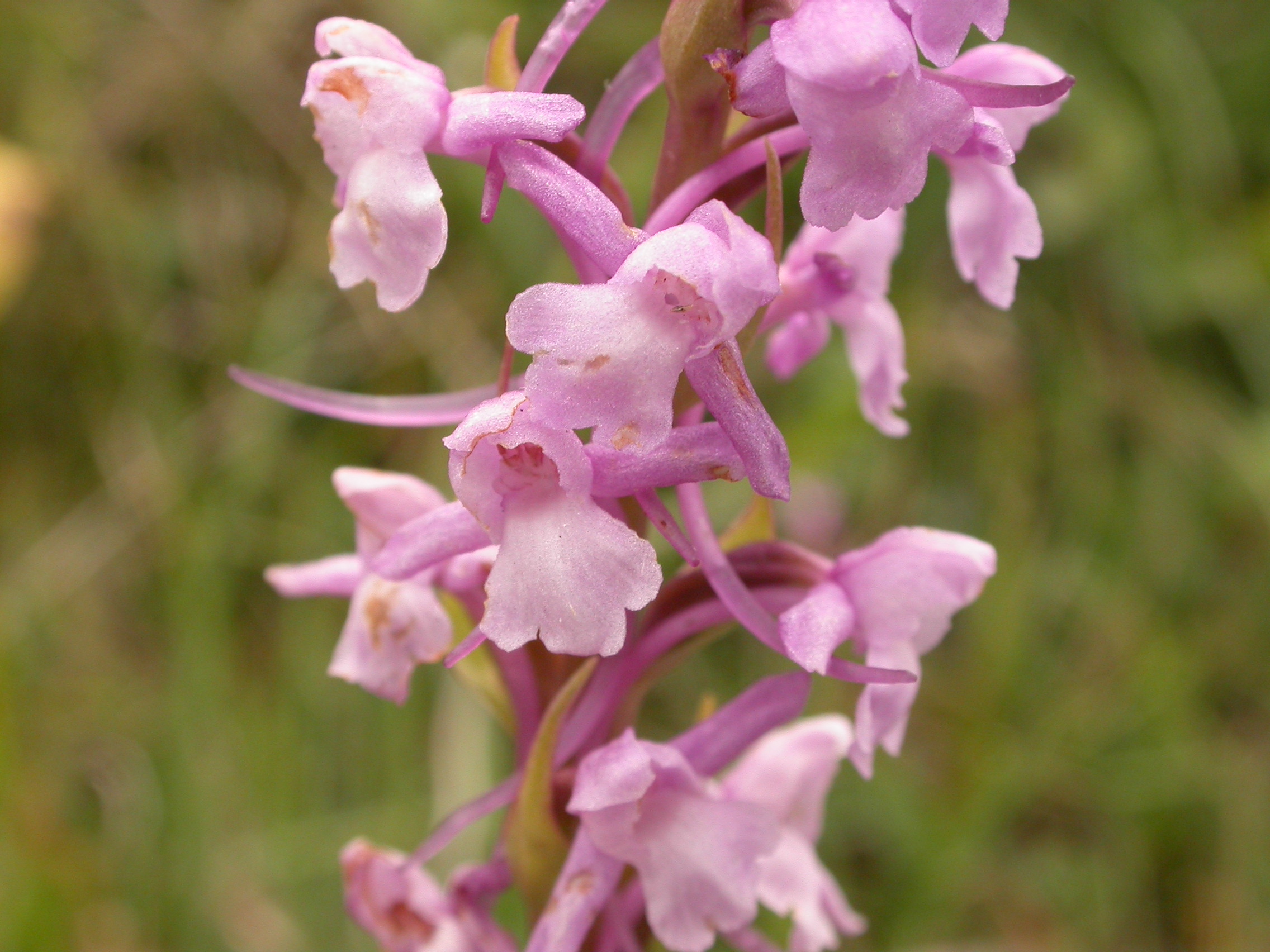
Fragrant orchid
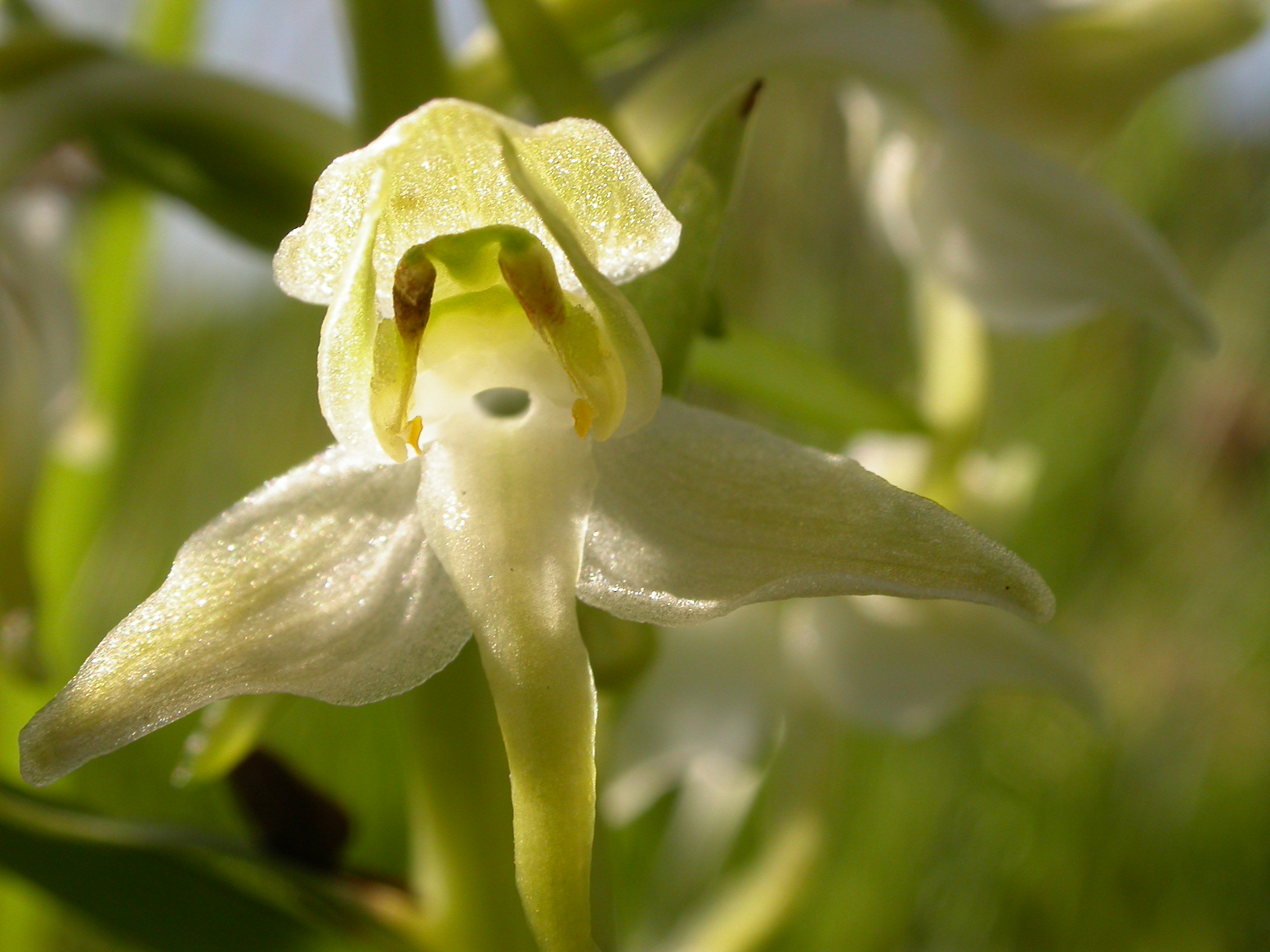
Greater butterfly-orchid

Pyramidal orchids
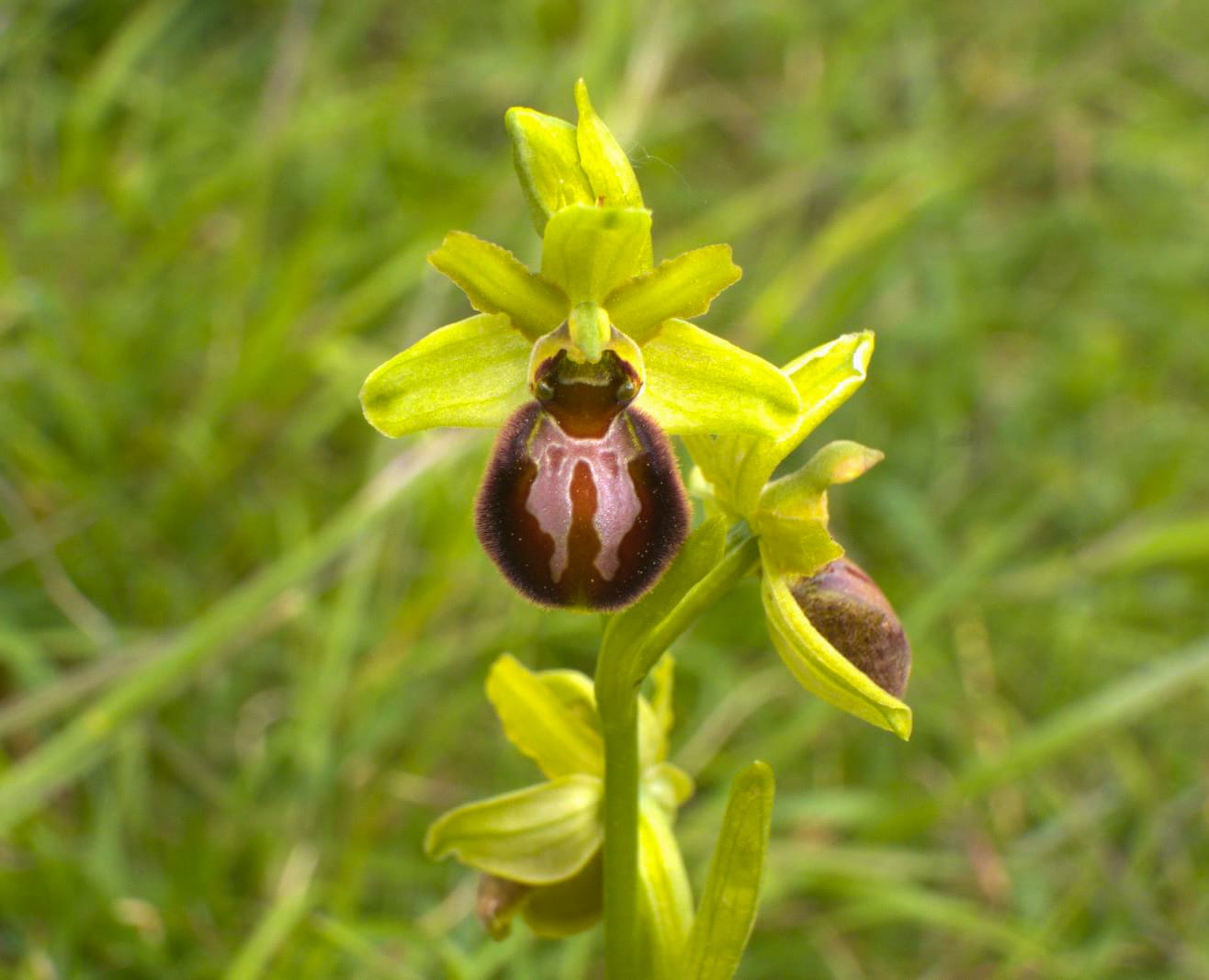
Early spider orchid
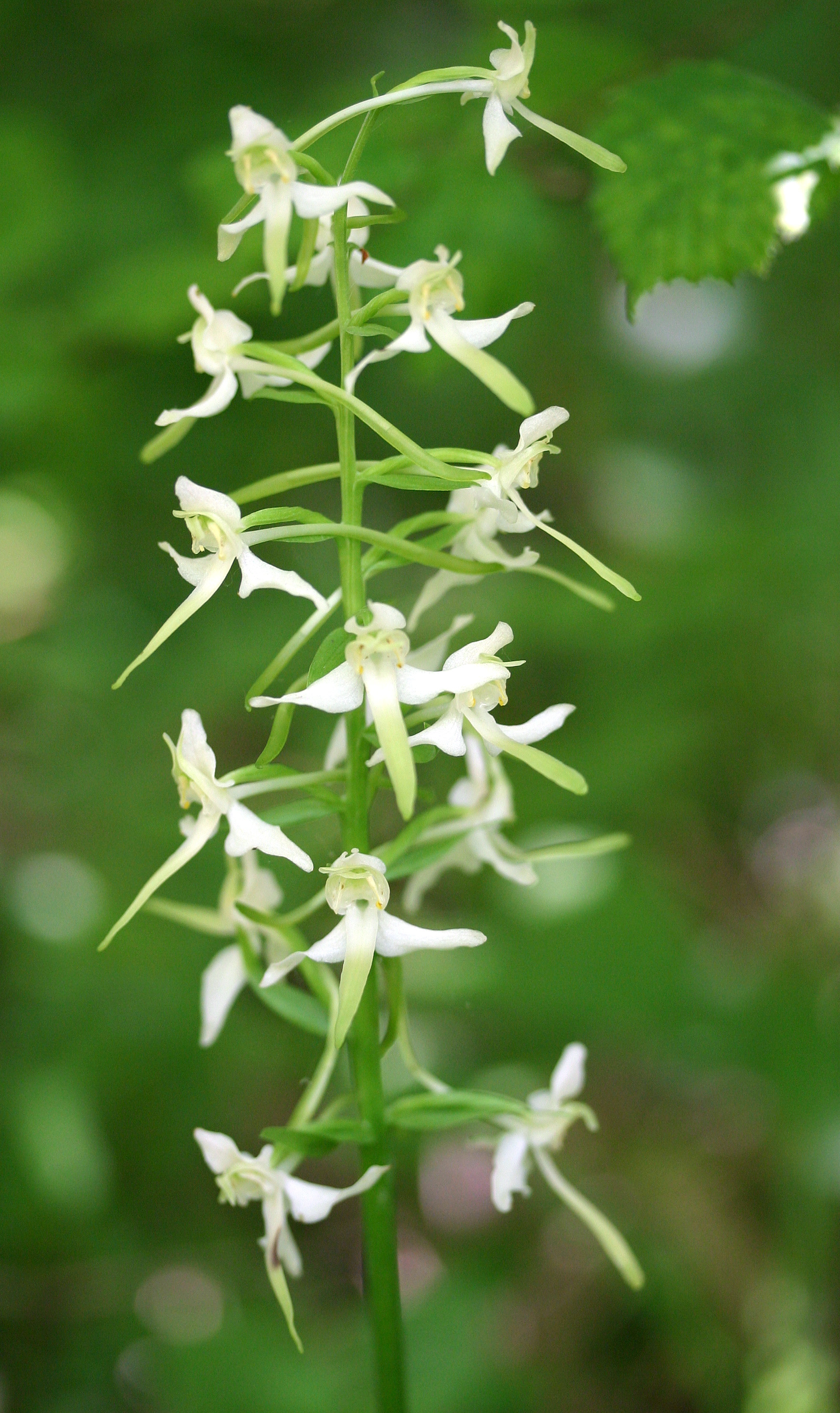
Greater butterfly-orchid
Why orchids need protecting
Britain has 57 native species of wild orchid, but sadly, many are rare or declining.
Over the years, the loss of meadows, changes in land management, and habitat fragmentation have all taken a toll – as a result, some orchid species survive in only a handful of places across the country.
And even in the places where orchids thrive, they can be vulnerable to disturbance. Trampling and picking, for example, can damage plants, compact the soil around them, and prevent further seed production. It's worth noting here that uprooting wild orchids is illegal!
Across Kent Wildlife Trust reserves, our conservation management approach plays a vital role in helping orchids survive and thrive. You can enjoy orchids responsibly by staying on paths and resisting the temptation to pick flowers – this way, you’ll help protect these extraordinary species for future generations.
Discover the joys of Kent’s wild plants
One of the best things about looking for orchids is that it encourages you to slow down. You’ll probably quite literally miss them otherwise!
Once you start to notice orchids, you’ll often begin seeing other details too... the hum of pollinators in chalk grassland, the scent of wild herbs warming in the sun, or the sheer diversity hidden within a meadow.

Check out our upcoming Wildlife Study Days
If you’d like to learn more about Kent’s flora, take a look at our upcoming Wildlife Study Days. They’re a great way to deepen your knowledge while exploring some of the county’s most important places for wildlife!