

©️ Laura Buller-Hedges
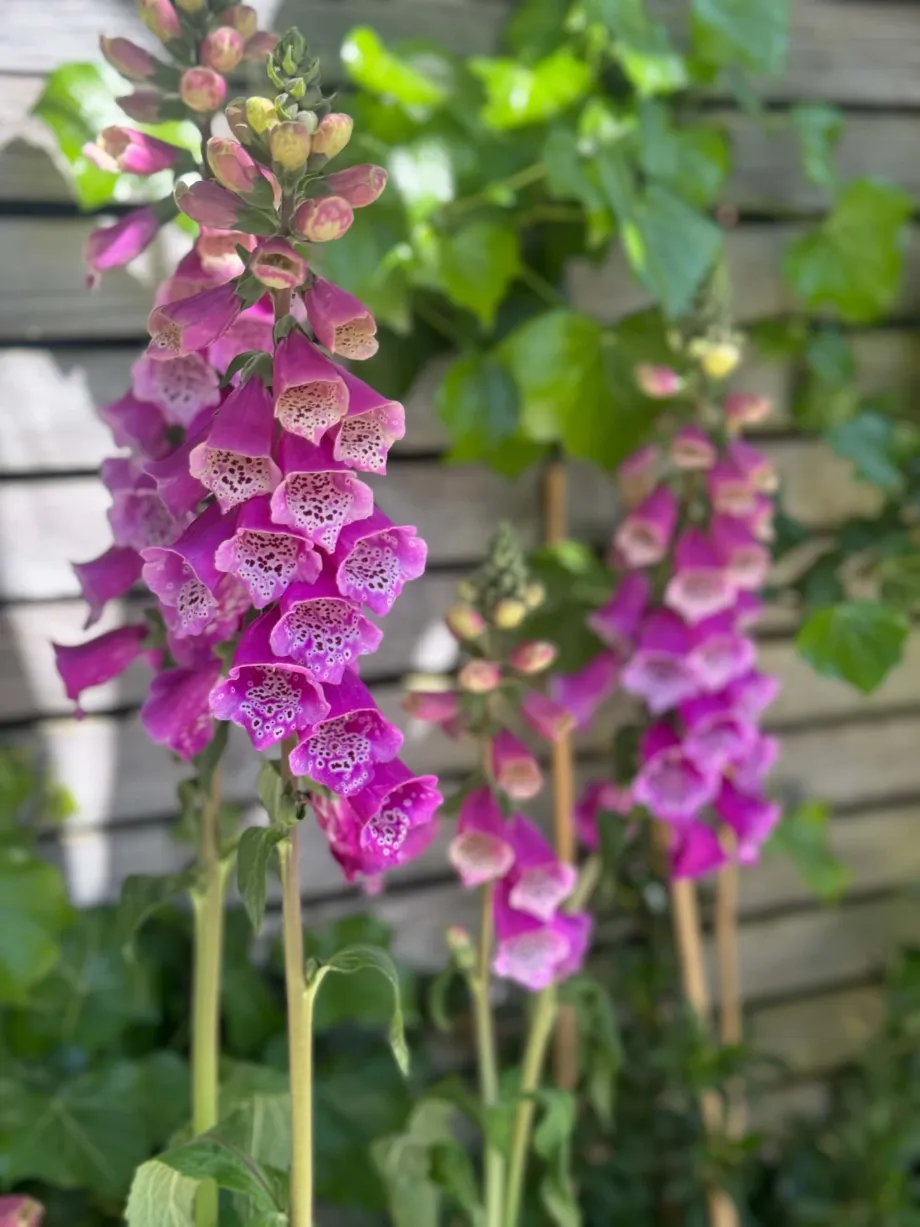
I love this beautiful native bumblebee magnet, with its tall bell-shaped flowers appearing between June and September. Look closely inside the blooms and you'll see rows of spots - nature's own landing pads, guiding bees directly to the nectar and pollen within. Foxgloves can be biennials or short-lived perennials and will grow in almost any soil, in partial shade or full sun. A great no-fuss wildflower that provides a dramatic garden display and an important pollen source for bees.
2. Oxeye daisy - Leucanthemum vulgare
Another native wildflower - these cheerful, tough perennials are the largest member of the daisy family and can often be seen on roadsides, meadows and wasteland. I enjoy growing them from seed and scattering them through pots and borders; as hardy little plants they don't need much attention. Their nectar-rich blooms attract a variety of pollinators, including bees and butterflies - all good for a healthy, thriving ecosystem.
3. Small scabious - Scabiosa columbaria
These pincushion flowers with lilac petals do well in coastal locations and thrive in chalk and sandy soil. Native to the UK, they attract bees, butterflies, moths and other pollinators. Plus, if you deadhead them regularly, they flower from early summer right through to early autumn, and they're so easy to grow.
4. Dandelion - Taraxacum officinale
©️ Laura Buller-Hedges
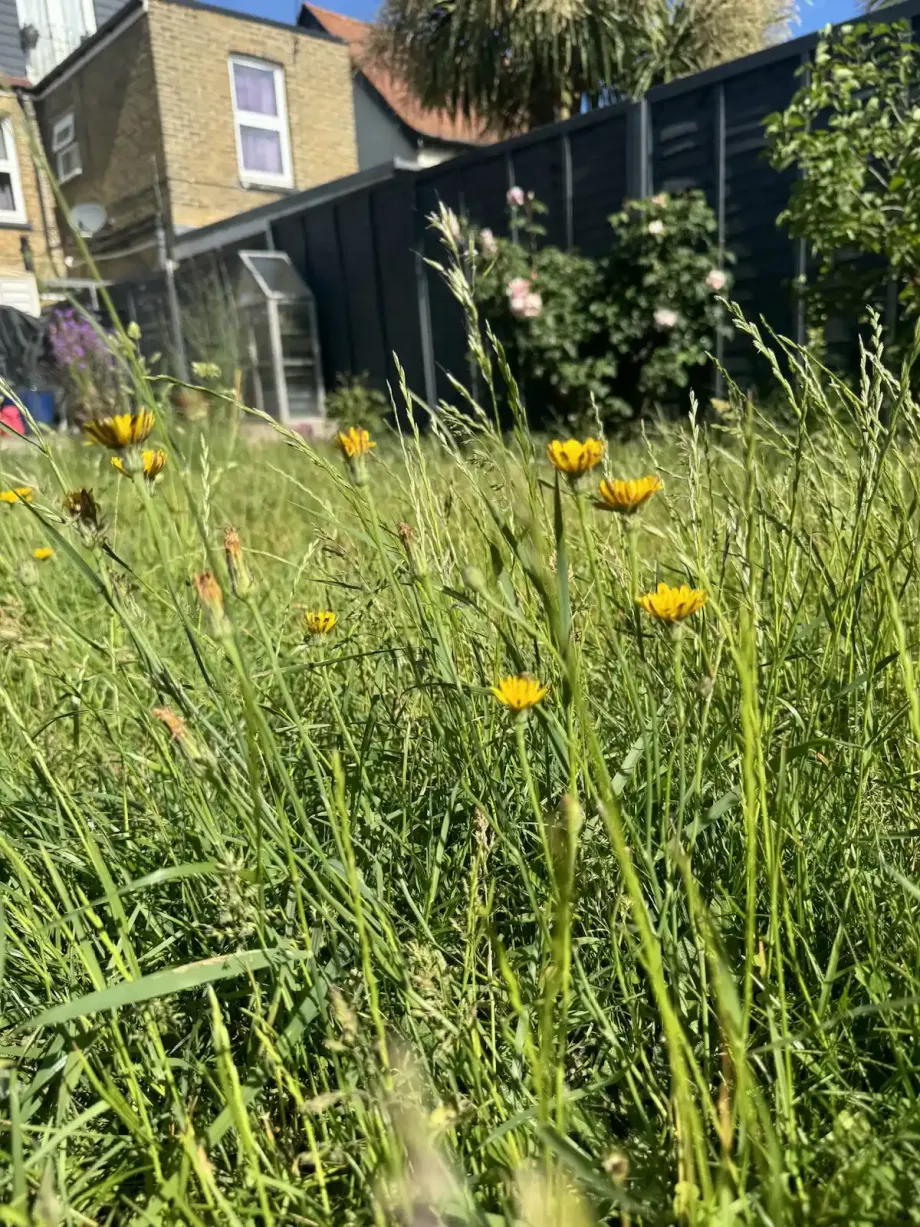
Whilst some might call this plant a weed, it's only really a weed if it's not wanted, and in my garden it's very much welcome. The early flowers are especially valuable, providing food at a time when other sources are scarce. The seeds that follow are a feast for bullfinches, greenfinches and goldfinches. I think they look beautiful when my little lawn goes a bit wild - happy pops of colour, especially on a grey day.
5. Common sunflower - Helianthus annuus
©️ Laura Buller-Hedges
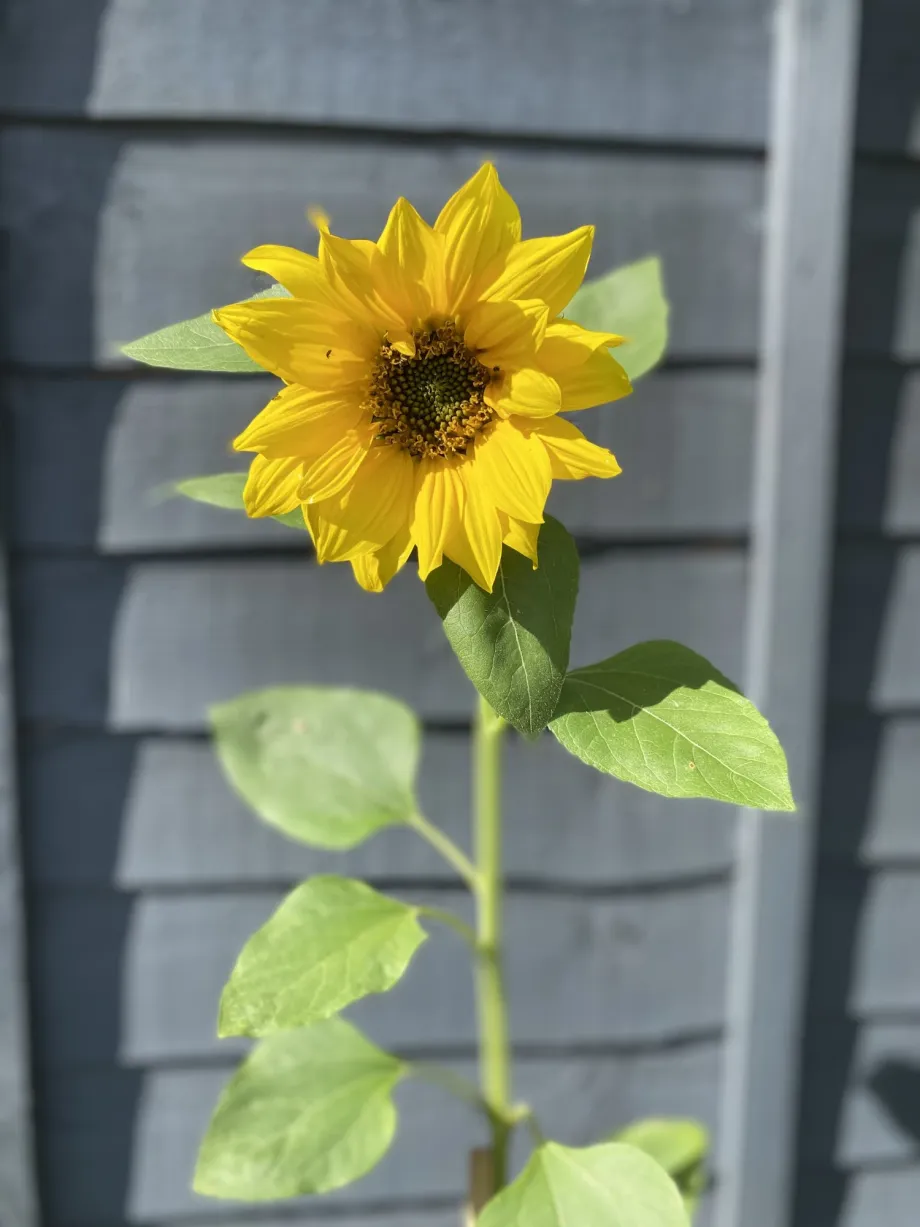
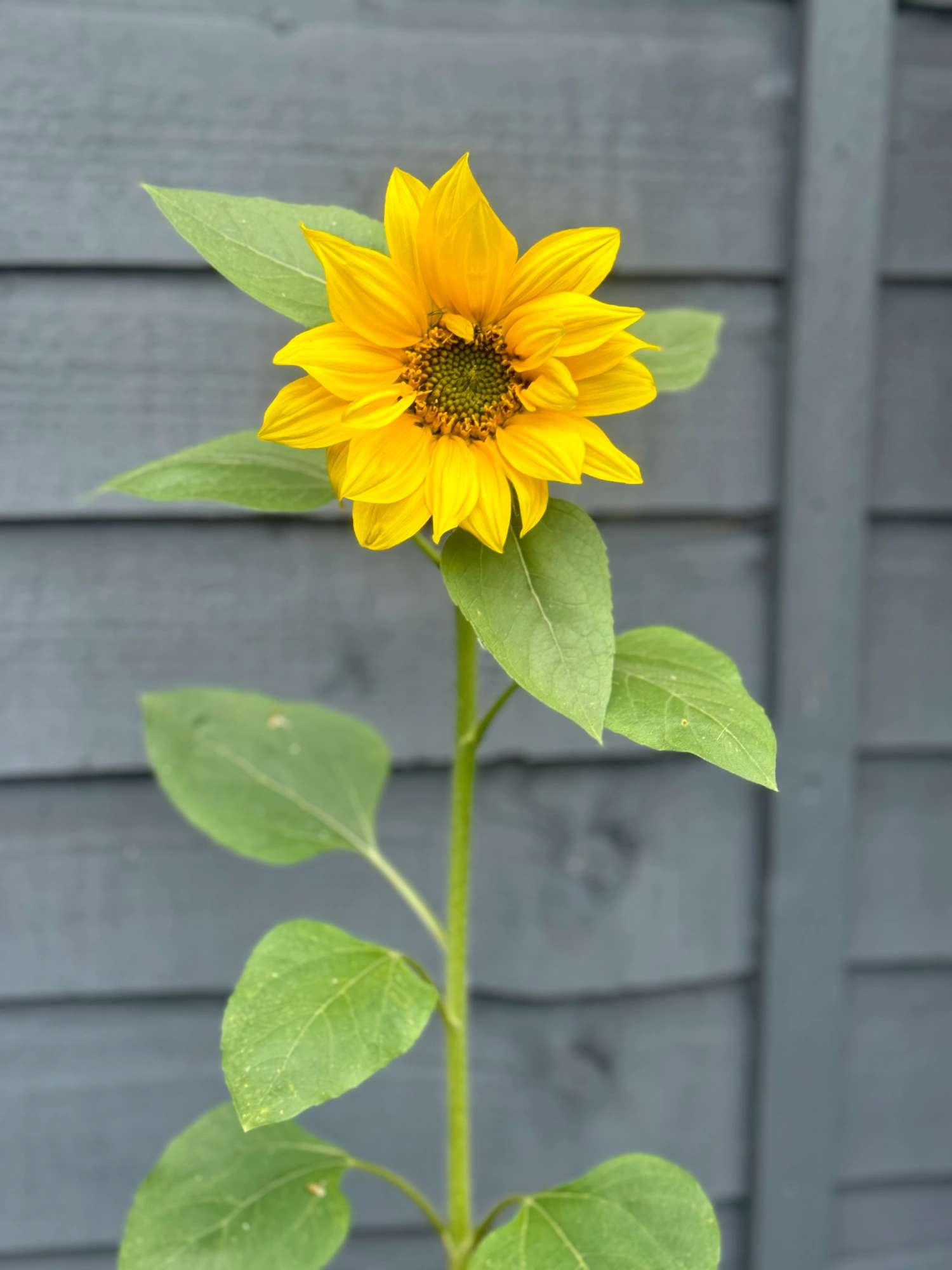
Who can resist a golden sunflower? It's one of the plants I most look forward to seeing each morning, and it's so easy to grow from seed - direct sown, they germinate super quickly. The flowers attract bees and other pollinators, while the abundant seeds are a valuable high-energy food source for seed-eating birds such as finches and small mammals. They're so attractive to wildlife that last year a squirrel ran off with an entire sunflower head in its mouth - I'm hoping to see him and his friends back again this year.
6. Catmint - Nepeta
©️ Laura Buller-Hedges
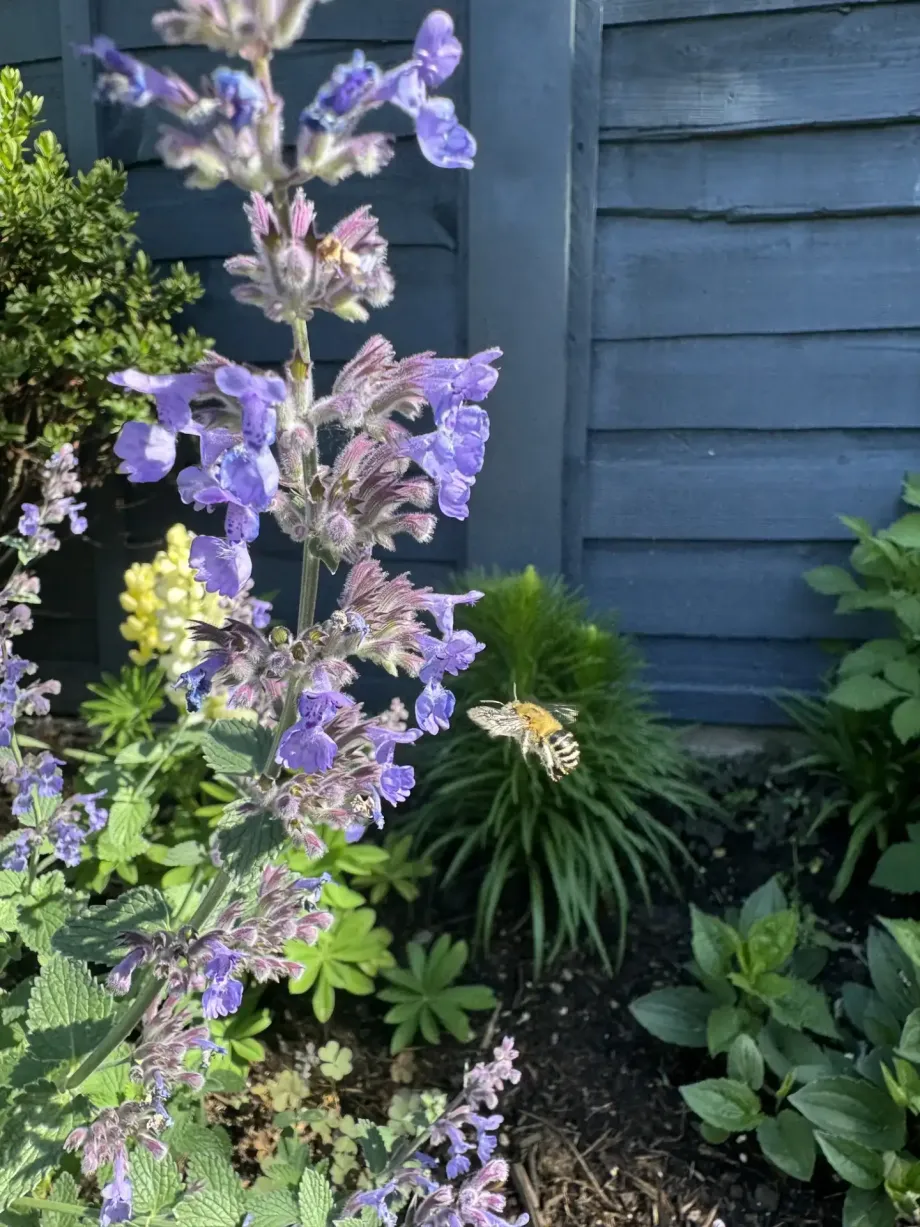
A garden favourite and, whilst not a native plant, catmint more than earns its place in a wildlife-friendly garden. Its long spikes of soft lavender-blue flowers are irresistible to bumblebees and honeybees, and it has a wonderfully long flowering season - often blooming from late spring right through to autumn if you cut it back after the first flush. It's also impressively drought-tolerant, making it a great choice for the kind of dry, sunny summers we get on the Kent coast. Low maintenance, generous, and loved by pollinators, it’s become one of my garden staples.
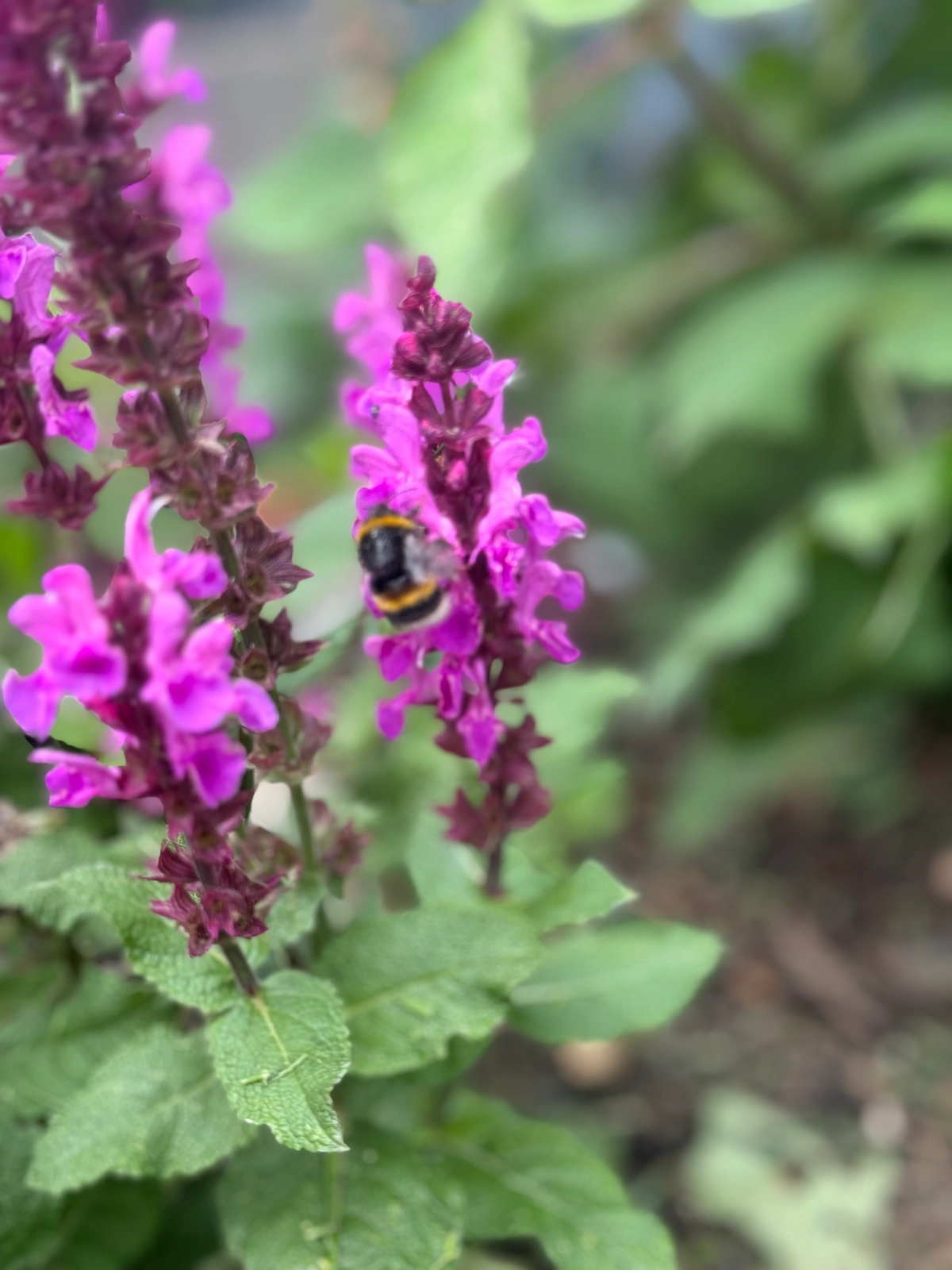
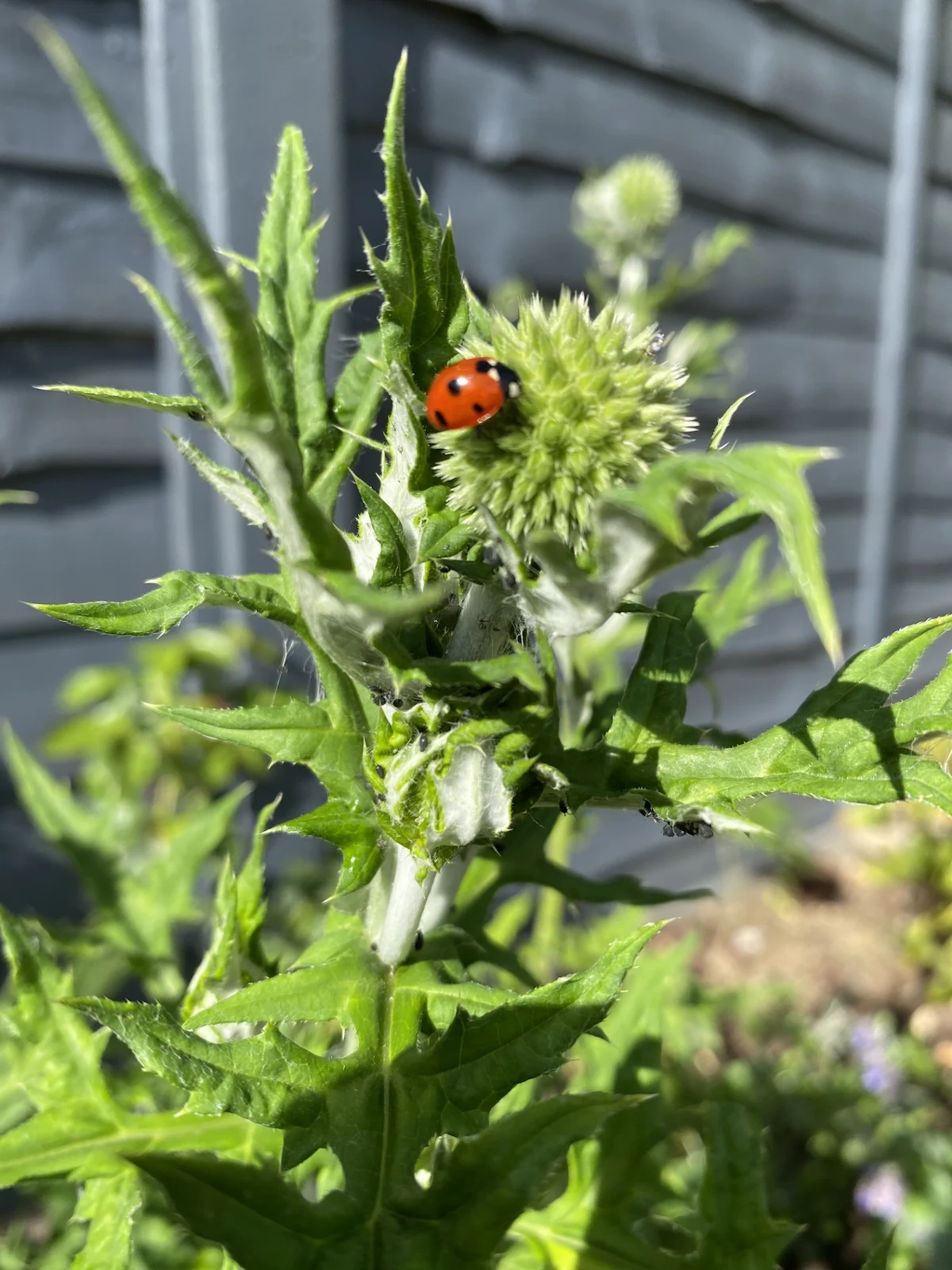
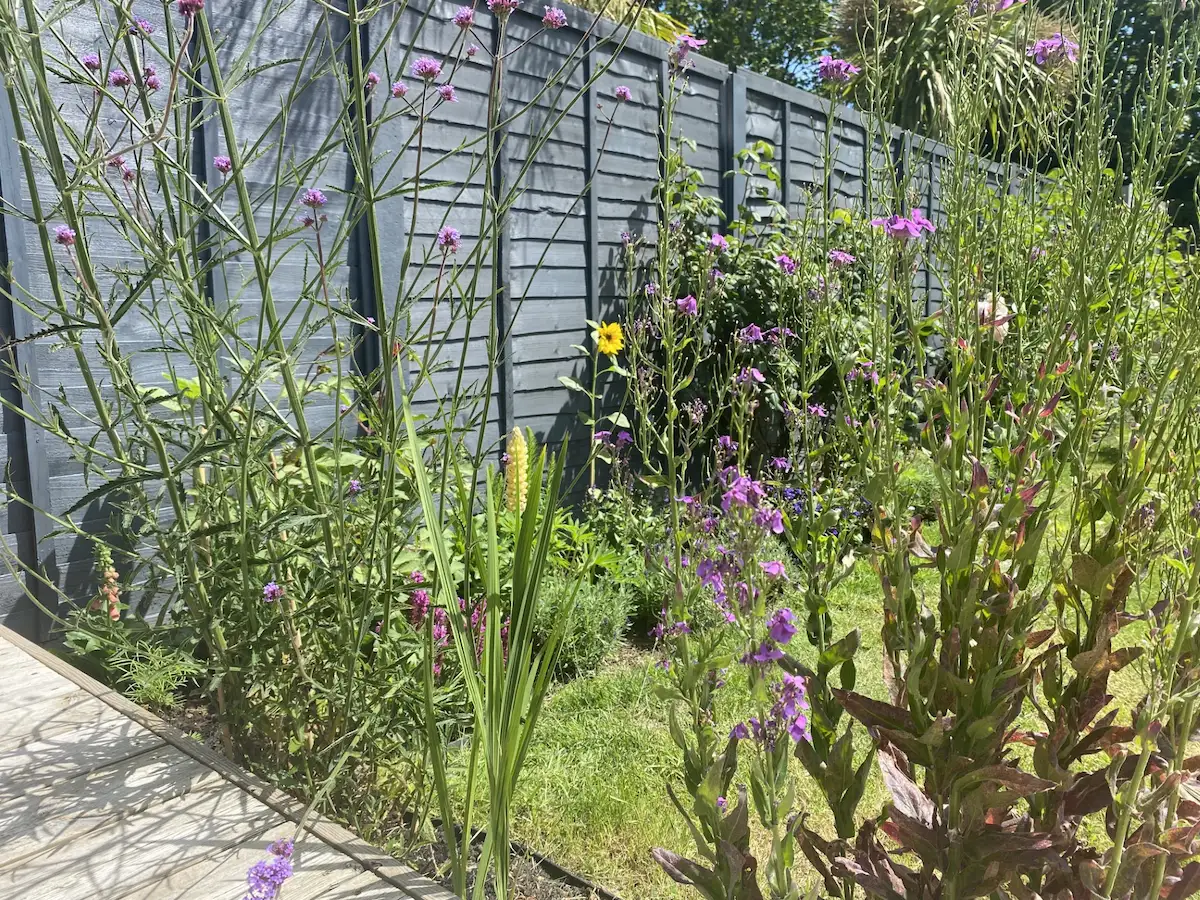
Creating a wildlife-friendly garden doesn't require acres of space or expert horticultural knowledge. Even a few carefully chosen plants can provide food and shelter for pollinators and other wildlife throughout the year. Watching bees buzz between flowers, butterflies bask in the sunshine and birds feed on seed heads has made my garden feel more alive than ever. It's been one of the greatest joys of moving to Kent, and a reminder of just how much difference even a small garden can make for local wildlife.

Ready to plan your own wildlife garden?
Kent Wildlife Trust has a range of garden events this summer to help you get started - from hands-on workshops to our annual open garden at Tyland Barn.