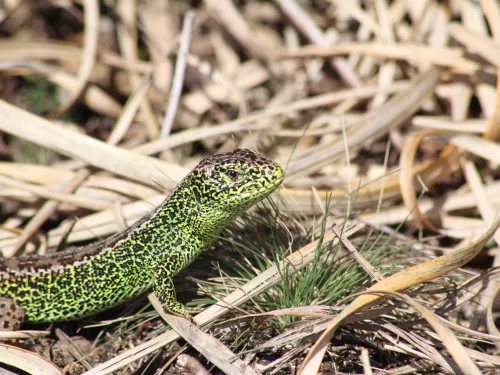
The sand lizard is extremely rare due to the loss of its sandy heath and dune habitats. Reintroduction programmes have helped establish new populations.
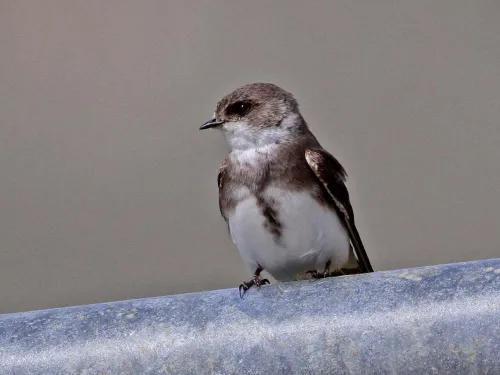
The tiny, brown-and-white sand martin is a common summer visitor to the UK, nesting in colonies on rivers, lakes and flooded gravel pits. It returns to Africa in winter.
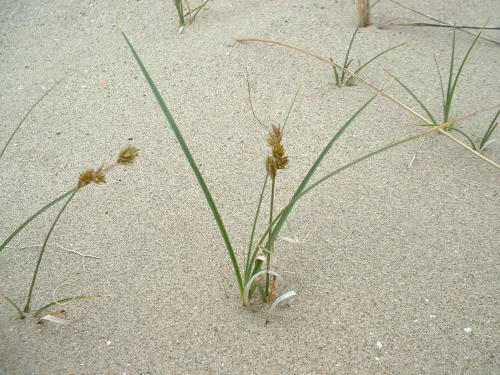
Sand sedge is an important feature of our coastal sand dunes, helping to stabilise the dunes, which allows them to grow up and become colonised by other species.
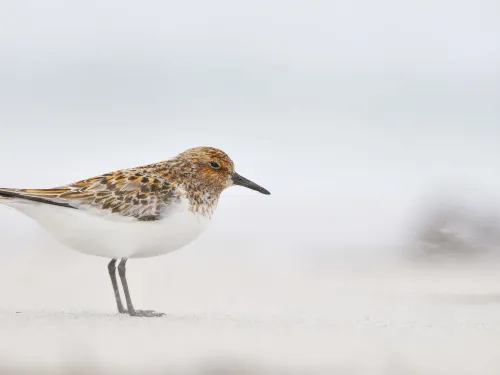
The sanderling scampers about the waves looking for marine crustaceans, fish and even jellyfish to eat. It visits the UK in winter from its Arctic breeding grounds, but can also be seen as it passes through on migration during spring and autumn.
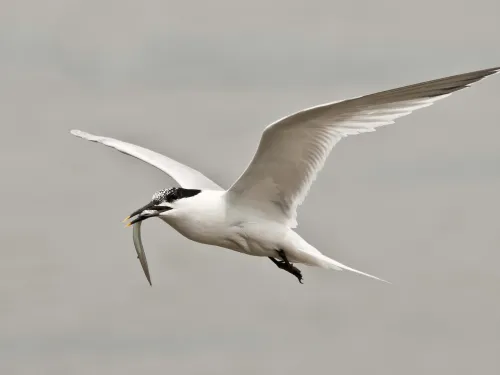
Found around our coasts during the breeding season, the large Sandwich tern can be spotted diving into the sea for fish such as sandeels. It nests in colonies on sand and shingle beaches, and islands.
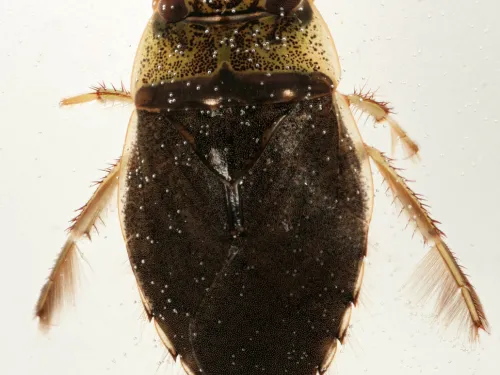
An underwater predator, the Saucer bug uses its front pincer-like legs to catch its prey. It can be found at the bottom of muddy, weedy ponds; but handle with care - it can inflict a painful bite!
Saw-wort gets its common name from the serrated, saw-like edges to its leaves. It is a plant of unimproved hay meadows and woodland edges, its purple, thistle-like flowers appearing over summer.
Did you know your seaside scampi was actually a kind of lobster? Traditionally so - although the scampi that is often eaten with chips can be anything from prawns to fish.
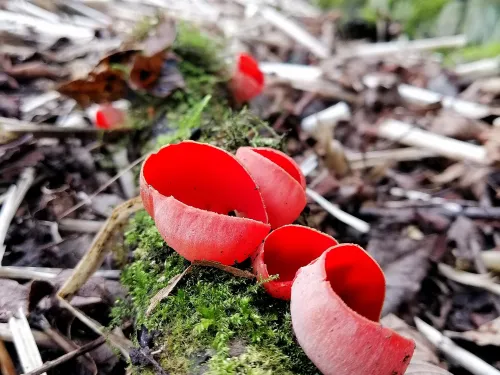
As its name suggests, the scarlet elfcup is a bright red, cup-shaped fungus. It is widespread, but scarce, and can be found on fallen twigs and branches, in shady, damp places.