
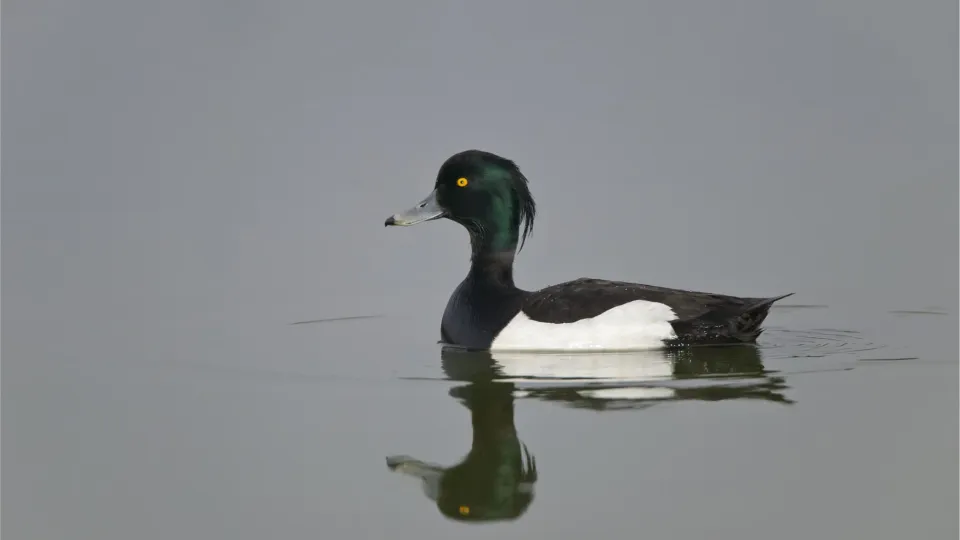
Waterfowl
Kent is an internationally important coastline for breeding and visiting waterfowl birds. Learn more about these species and identify them using our guide.
Kent is an internationally important coastline for breeding and visiting waterfowl birds. Learn more about these species and identify them using our guide.
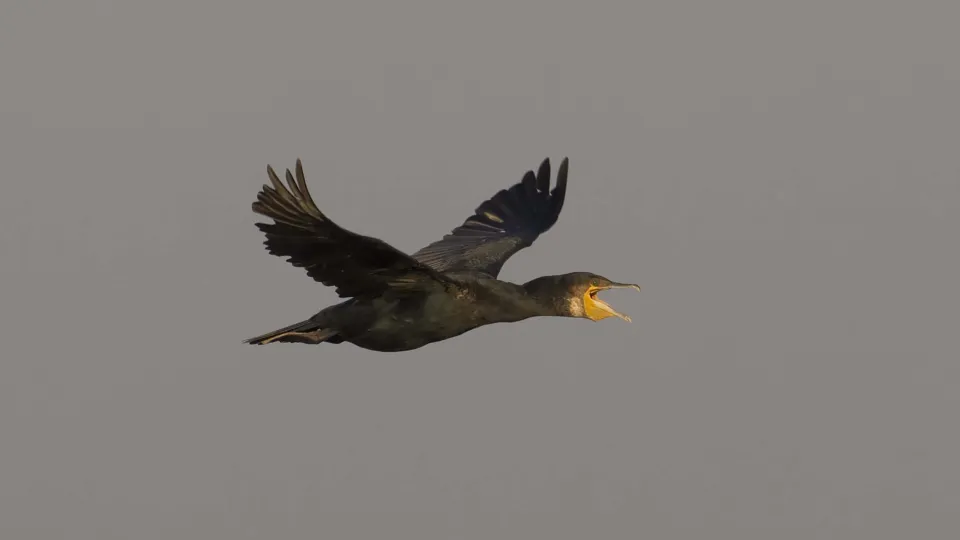
Learn to identify a plethora of Kent seabird species. From cormorants to herring gulls, we have your coastal bird watching covered.
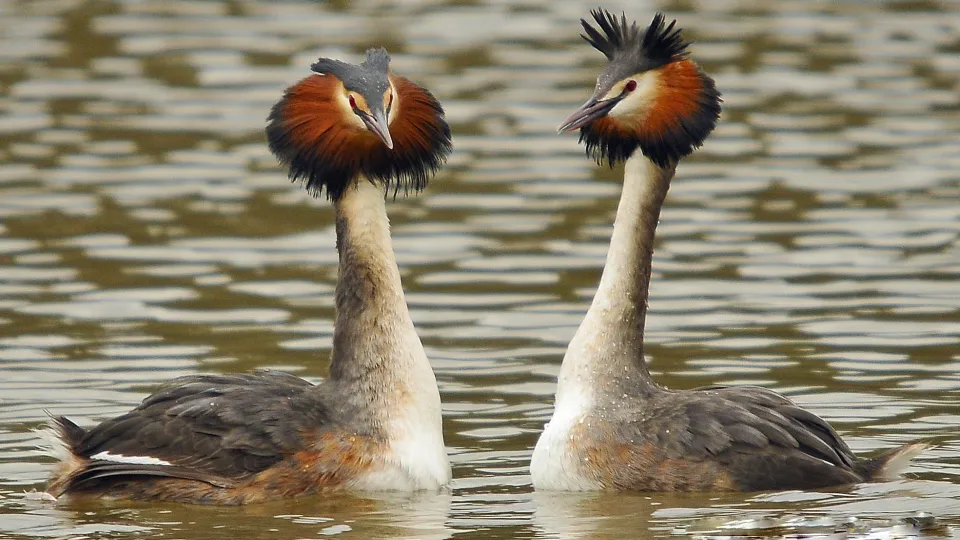
Looking for species of grebes and divers that live in Kent? Check out our amazing species pages to learn the facts about these amazing water birds.
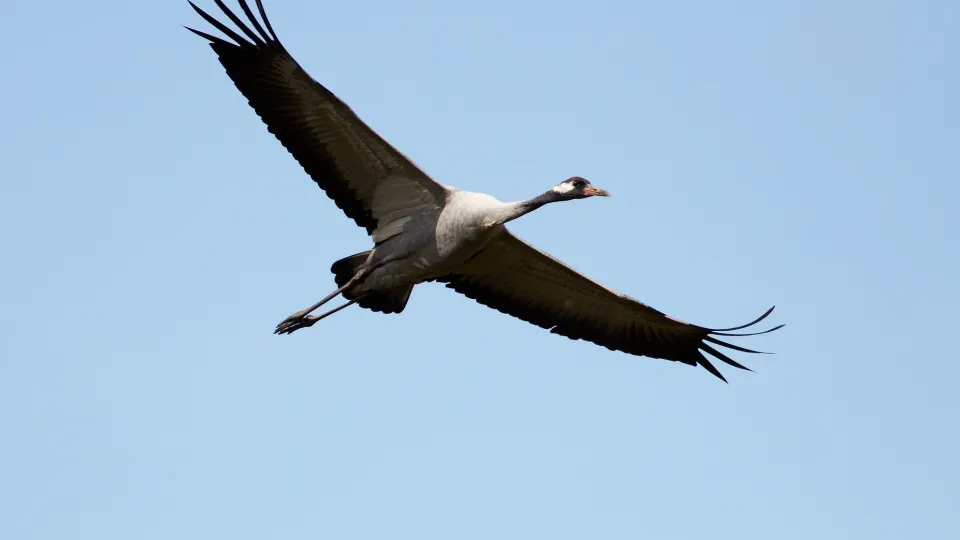
As the UK’s tallest bird the common crane is instantly recognisable with the ruffle of tail feathers and very long legs. Their bugling call is also very distinctive.
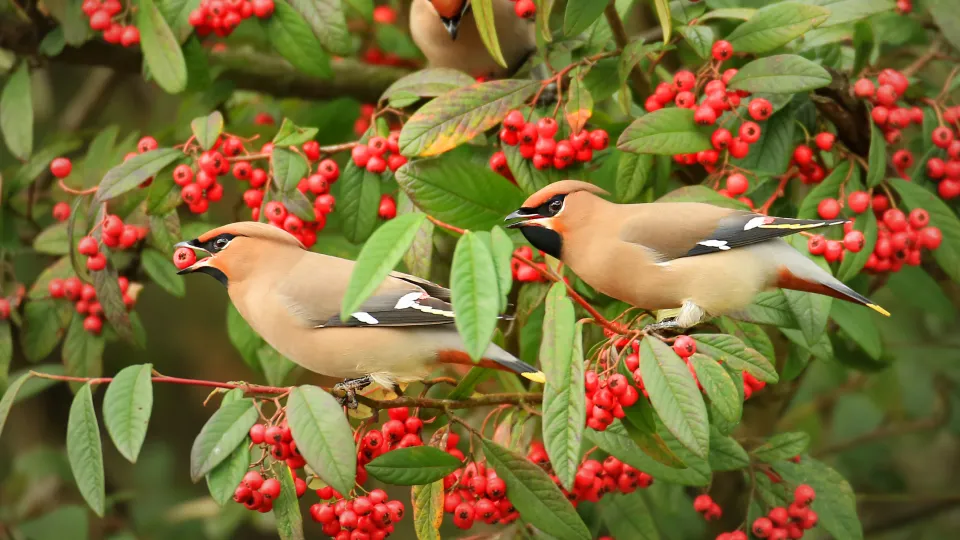
The waxwing is a colourful winter visitor. It can often be spotted in large flocks in berry-laden bushes in towns, car parks and gardens.
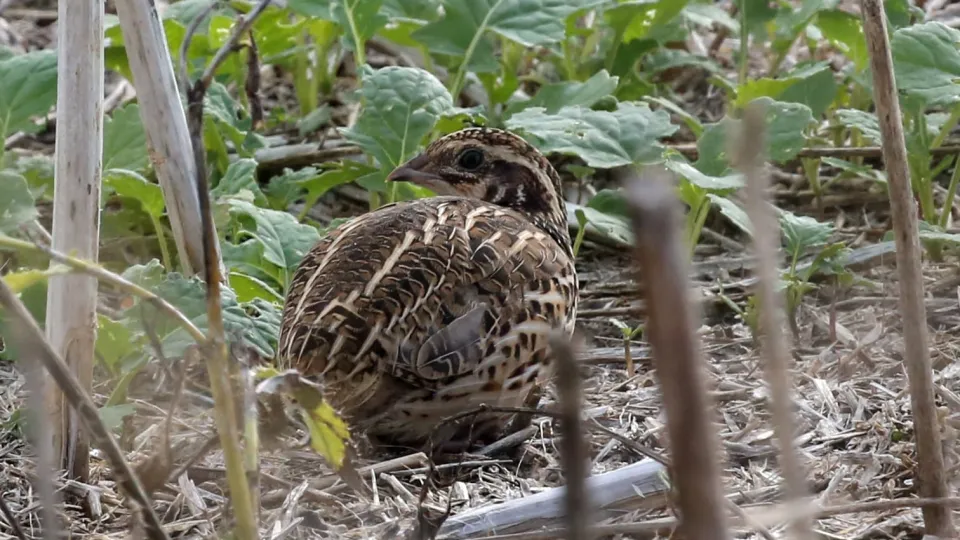
This tiny gamebird is rarely seen, but its distinctive "wet my lips" call can be heard ringing out over areas of farmland on summer evenings.
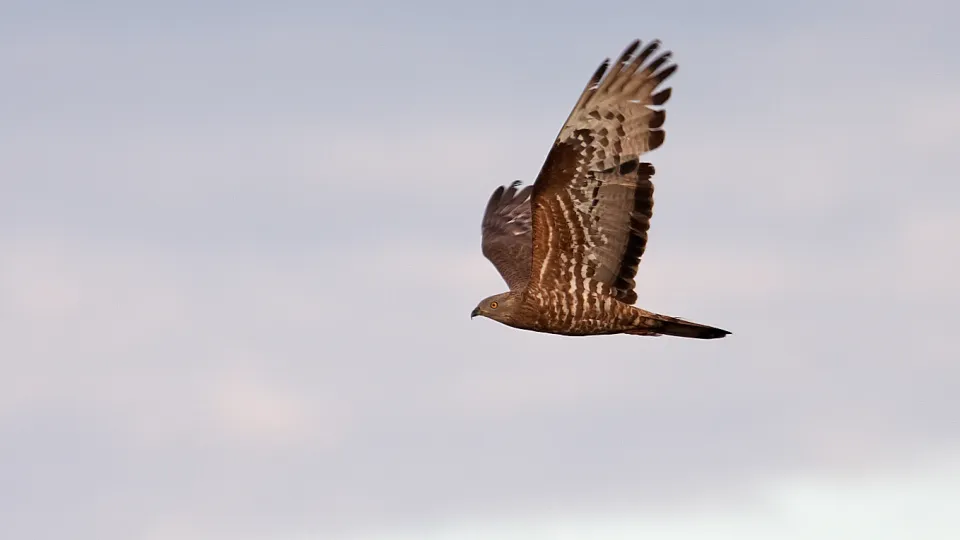
Rare summer visitors, honey buzzards breed in open woodland where they feed on the nests and larvae of bees and wasps.
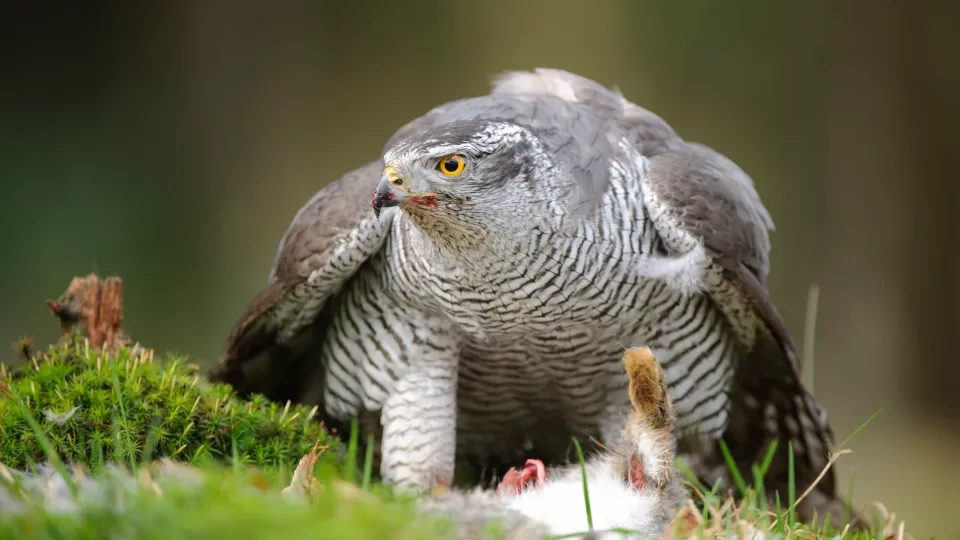
Known as the phantom of the forest, goshawks can fly through the trees at up to 40km per hour as they hunt birds and small mammals.
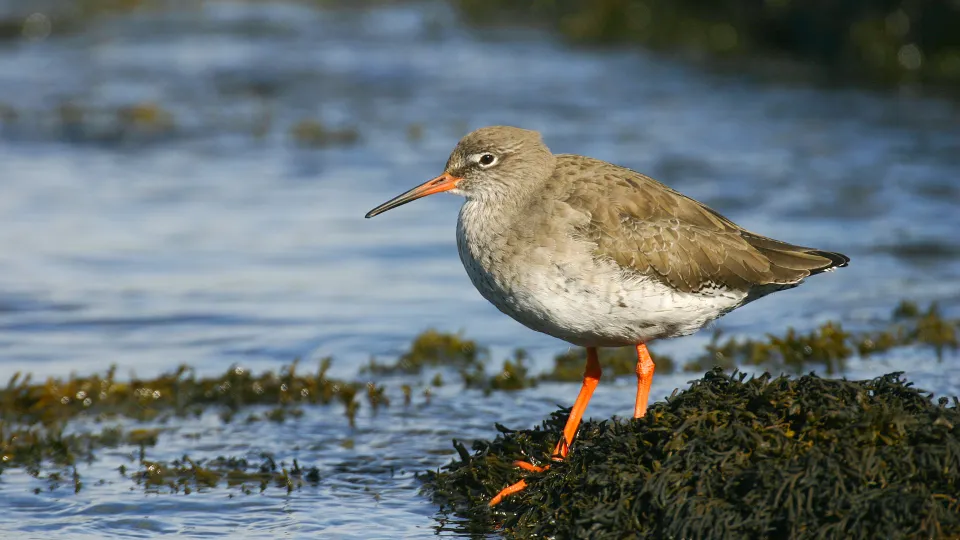
The redshank lives up to its name as it sports distinctive long, bright red legs! It feeds and breeds on marshes, mudflats, mires and saltmarshes. Look out for it posing on a fence post or rock.
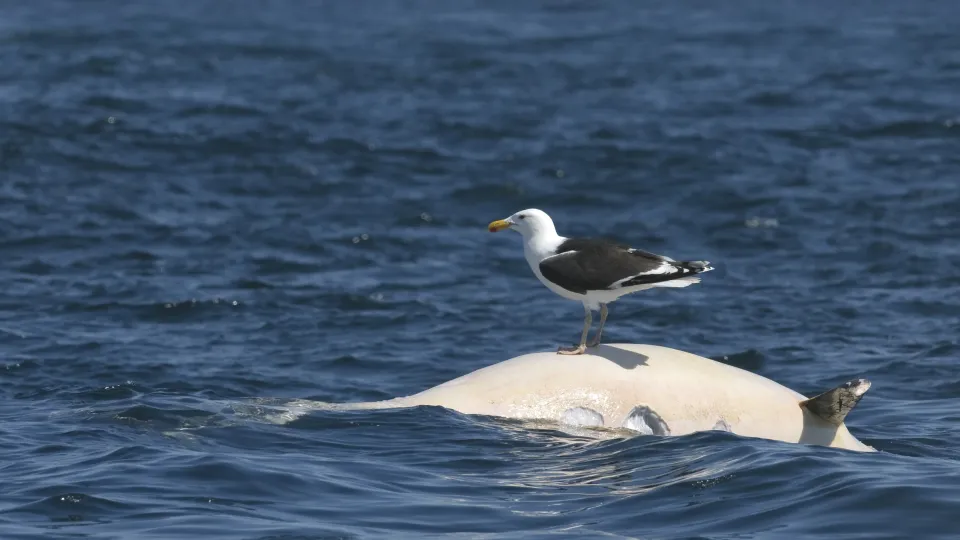
This huge gull can be seen around most of the UK's coasts in summer, with some venturing inland in winter.