

The Naturally Connected Young People programme is available to schools and community groups across Kent, supporting young people aged 11-16 to take part in immersive nature connection activities to support their health and well-being for life.
Delivered by Kent Wildlife Trust's education team, the programme supports young people who are traditionally underserved and underrepresented in their communities, who may not feel able, or welcome to spend time in nature. This may include young people from minoritised ethnic groups, LGBTQ+ communities, young people from isolated rural communities, or young people who are facing poverty.
Naturally Connected Young People is trialling a range of approaches and activities across both secondary schools and community settings, exploring different ways of building lasting, resilient connections with nature.
The programme will run in Kent throughout 2026 and 2027.
About the programme
Having a strong connection with nature supports good mental health and lowers depression and anxiety. We know that underserved young people often have the least access to nature, coupled with the highest levels of poor health and well-being outcomes. This programme seeks to address this. By bringing young people experiencing the greatest levels of hardship closer to the natural world, we can provide both respite and the confidence to build a life-long relationship with nature that they can lean on time and again.
Spending regular time in nature can be transformational for young people who struggle to cope with school or community life. Being outside naturally lowers our stress response, making it easier for young people to listen, focus and connect with learning content. Teachers and leaders who have embedded learning outdoors have reported that young people develop in confidence, work well in groups and take on leadership roles and responsibilities when outside.
The NCYP programme is for young people aged between 11 and 16 years old, who are new to nature and traditionally underserved and underrepresented in their communities.
This means that they might have experienced barriers to accessing nature in their lives and won’t have had many opportunities to connect with nature previously.
This programme is designed for young people who may face barriers, disadvantage or significant hardship. Free School Meal status can be a useful indicator of need, but it is not the only measure. Please also consider young people from groups and communities who may benefit from additional support, including:
- Forced migrants, including asylum seekers and refugees
- Minoritised ethnic groups
- Young people experiencing housing insecurity or homelessness, including rough sleeping and sofa surfing
- LGBTQ+ young people
- Young people living in rural communities
- Young people with long-term physical or mental health needs
- Young people experiencing poverty or financial hardship
As teachers and community leaders, we value your insight into identifying the young people who need this kind of support most. When engaging with the programme, we’ll ask you to nominate young people from within your school or community group who meet the aims and criteria of the programme. These young people should fall within the guidance above.
It is also important that the young people invited to be part of NCYP do not feel singled out and that participation is described as an opportunity to be part of an exciting new programme.
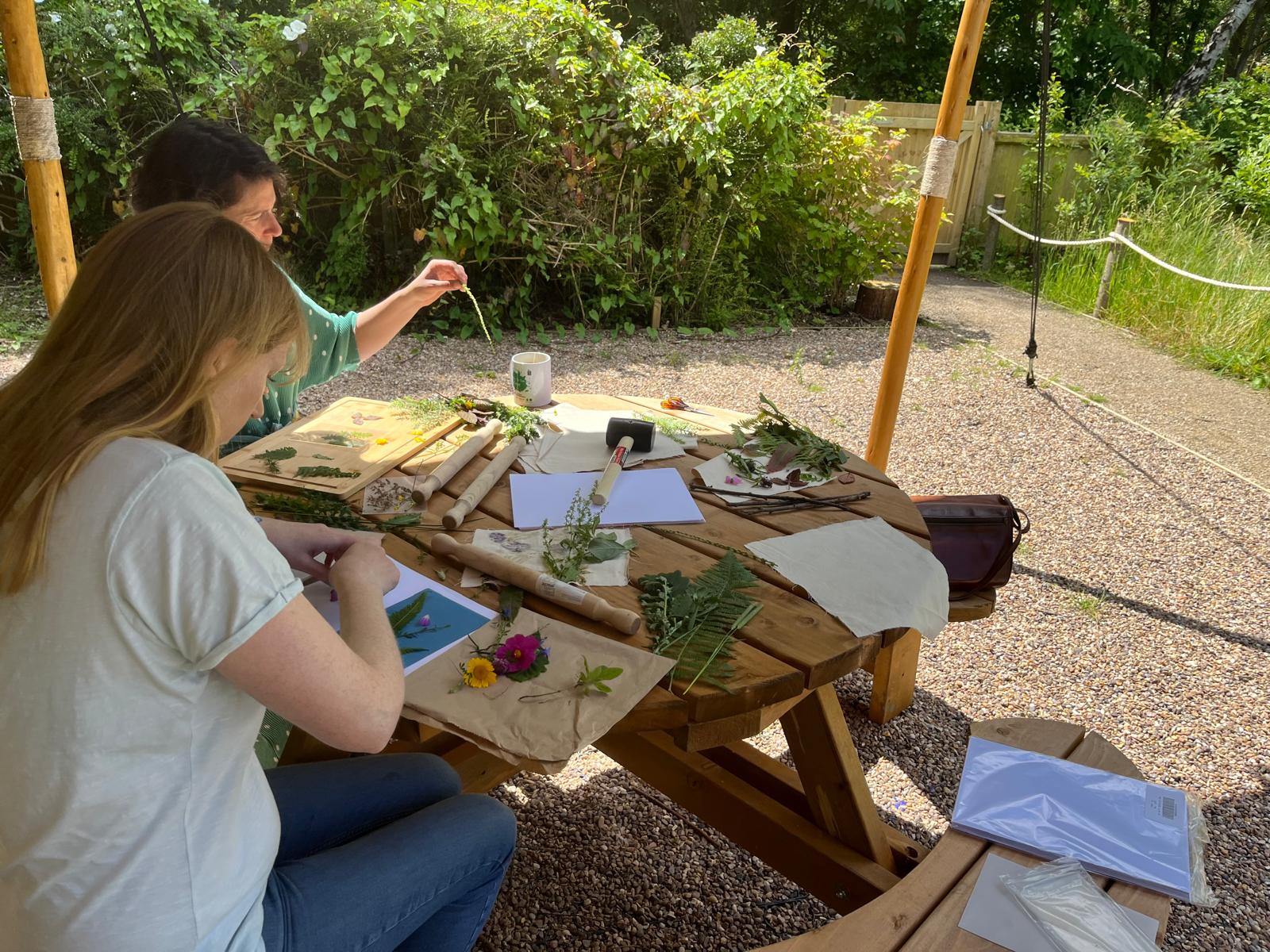
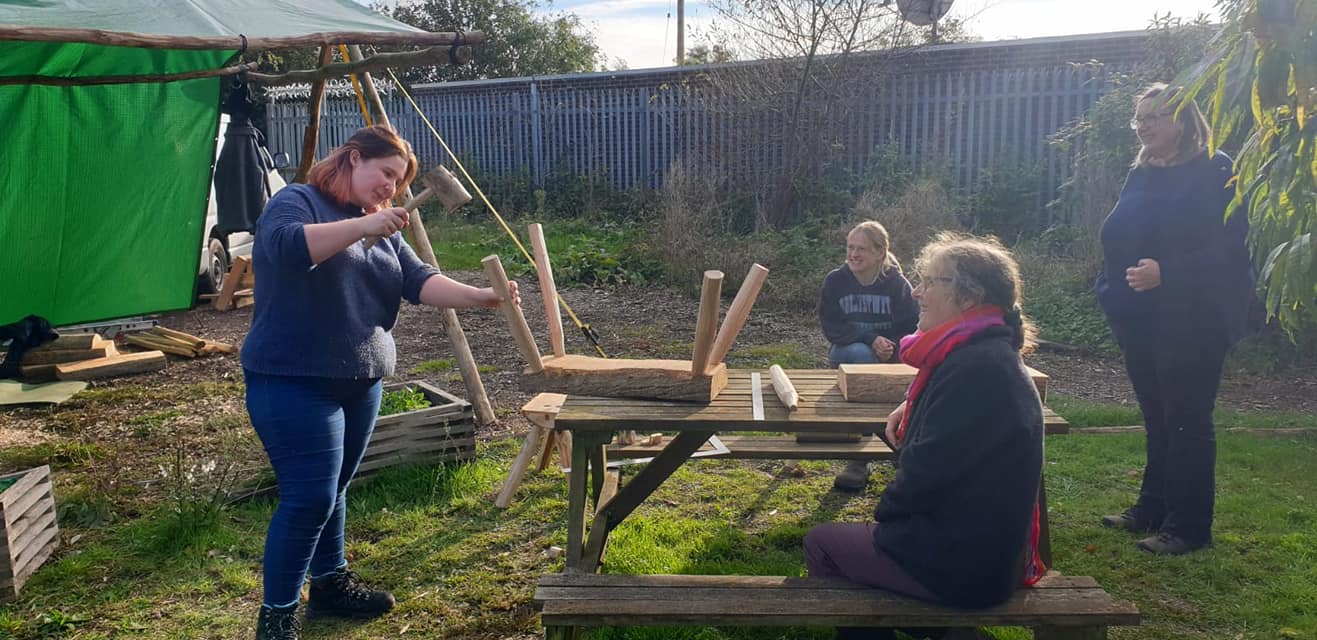
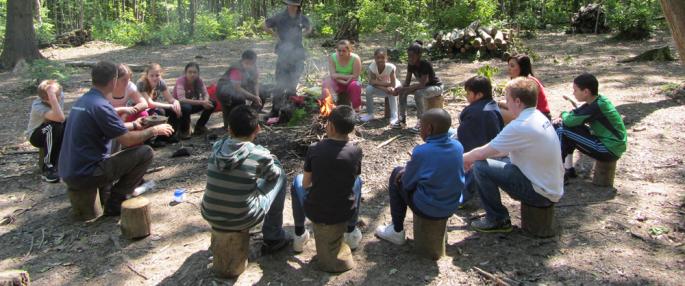
NCYP is not a one-off visit or activity. Groups taking part will work with us over a period of time, taking part in engaging nature-based activities that help young people develop a lasting connection with the natural world. The programme will incorporate the Five Ways to Wellbeing alongside the Five Ways to Nature Connection, helping young people explore different ways of building a positive relationship with nature.
Led by Kent Wildlife Trust's education team, the young people you have selected will participate in repeat, progressive sessions that incrementally increase their confidence and enjoyment of the natural world.
These sessions will typically take place within school grounds (if the project is based within a school) or in local natural spaces (if based in a community setting).
Each project offers a minimum of eight sessions over one academic year. The schedule or pattern of delivery will be co-designed with you to fit into existing timetabled activities.
An independent evaluator (Moor Impact) has been appointed to help us understand how the programme works, and what activities lead to the best outcomes for the young people who participate.
Collection of data on this programme is based on consent from participants and parents/guardians. We cannot collect project data without confirmation that the relevant consent has been obtained.
The data collected through NCYP will not only be used for internal review, but may be used to help shape critical policy asks of public health, advocating for greater nature inclusion and equity for young people and communities, for the betterment of their health and wellbeing.
Here is a [Link] to the standard MoU template for schools and community groups, which includes suggested roles, responsibility and expectations for both your schools or community group and your local Wildlife Trust.
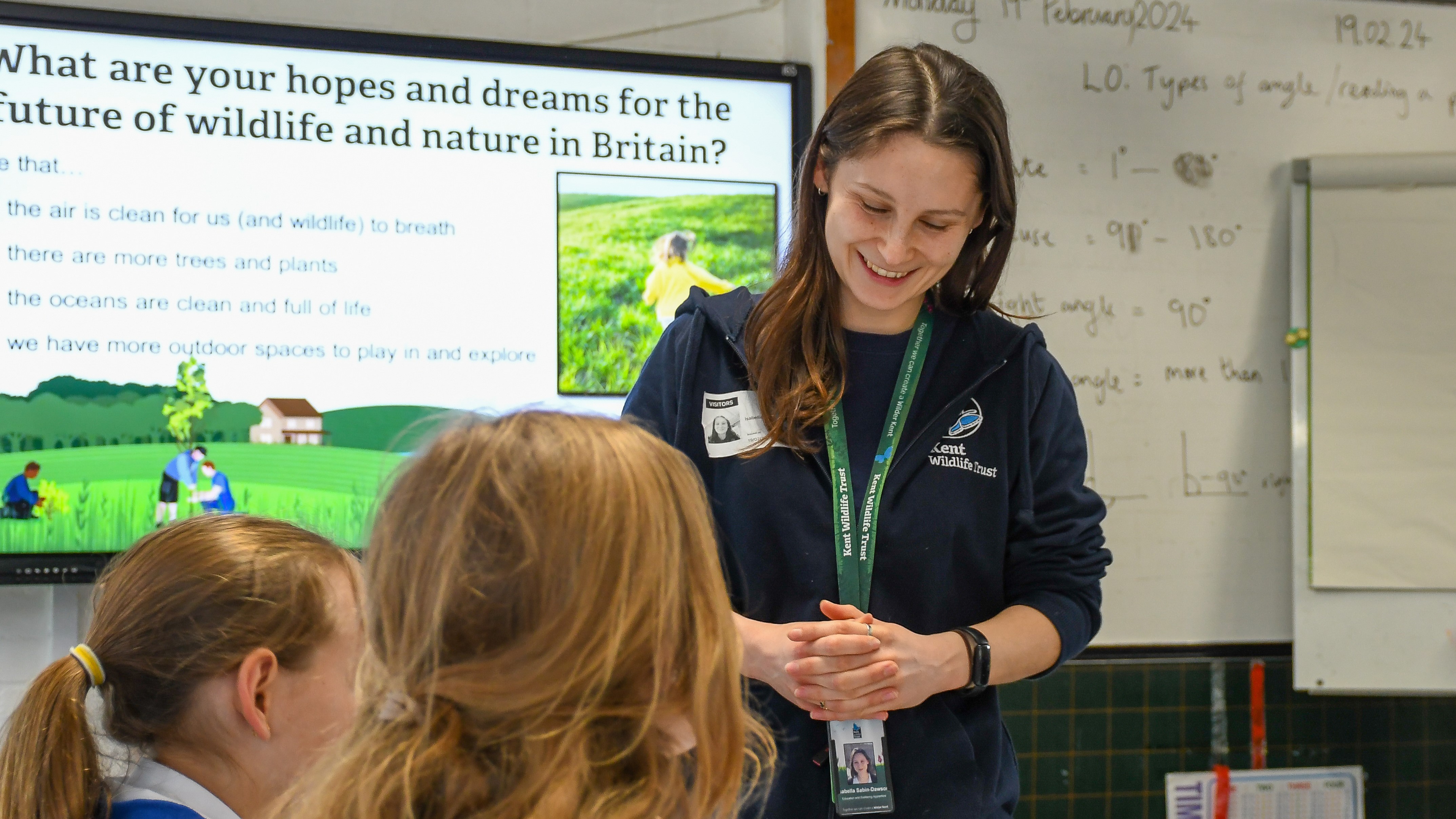
Bella - Wilder Schools
Funding and Evaluation
The Prudence Trust is a grant-making charity investing in the advancement of young people’s mental health services and research in the UK. With their support, we can help young people connect with nature at a critical time in their lives, helping thousands of young people across the UK feel healthier, happier, and connected to the natural world.
Moor Impact are an experienced impact, engagement and change company passionate about improving chances for people and the planet. Nature drives Moor impact, with the company named after the Pennine Moors, which fuel their energy, commitment and enthusiasm.
Naturally Connected Young People represents a step change in how we support 11 to 16-year-olds to connect with nature and a transformation for the Wildlife Trusts. The learning gained from working with young people who are new to nature will be embedded into all our future delivery.
