
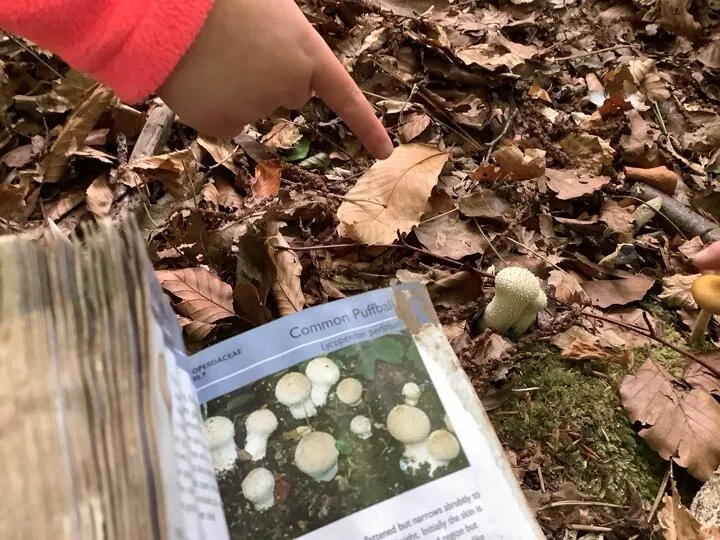
The three categories of the Kent Wilder Award were extremely useful as they gave ideas and a clear structure of how to help the planet. Here are some comments from children about some of the actions that we have taken:
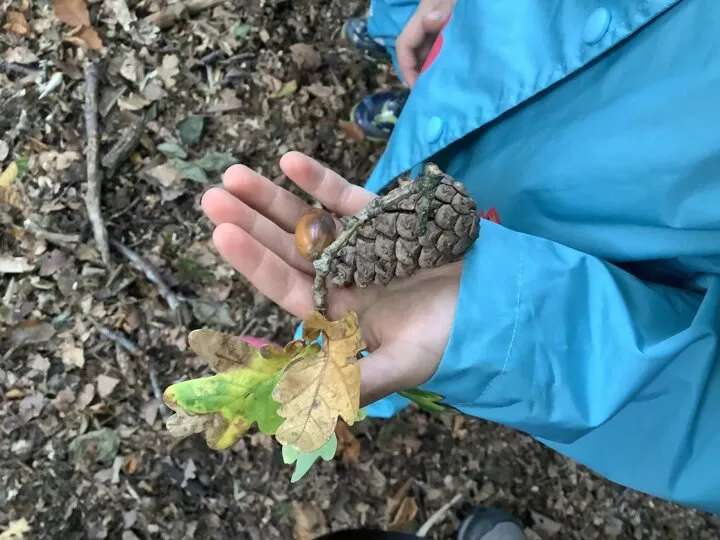
Forest School
‘I loved making the stick bread.’
‘We grew sunflowers in the polytunnel and then, as a team, potted them up and sold them to parents and children on Cystic Fibrosis Day, donating all of the profit.’ (Ella Year 6)
‘I love playing with the toy birds and seeing the real blue tits hatch in the nest box’ (Evie Year 6)
‘I loved learning the knot, sawing wood and making our own rope ladders’.
Dexter: ‘I love the freedom to play and climbing trees’.
‘I can now tell the difference between Elderflower and Cows parsley and I enjoyed making Elderflower fritters’
‘I loved making a rope swing and making bracelets with Nordic braiding’.
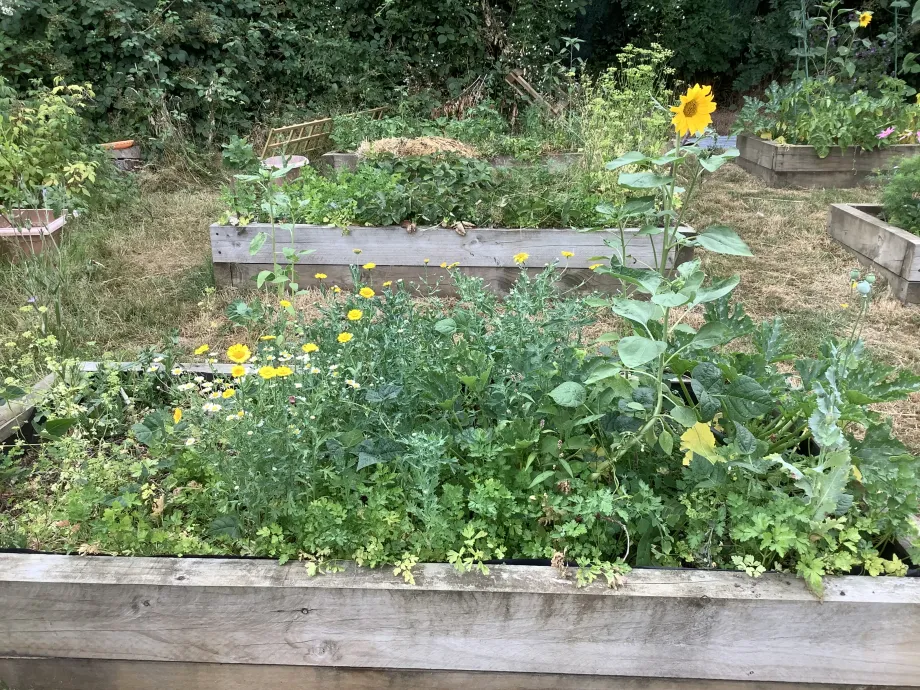
Planting
‘A friend and I planted a field maple so we can watch it grow. It will make a new habitat and it gives us something to do at lunch times. We often go and water it.’ Ethan Year 5
Bird box competition
Henry Year 4: ‘Making the bird box was good for creating a habitat for wildlife. I made the bird box with my grandad and I learned how to cut and saw wood. I added twigs to the bird box so they could be a habitat for bugs and insects. It was nice to watch the birds in the bird box.’
Senna Year 5: WWF project: ‘It was really fun making the animal prints. We printed endangered animals and sold the prints. It was good that it went to a good cause. We then adopted a turtle and a snow leopard from the WWF.
I sent bingo sheets home to families to see how many actions they could take to help the planet. This was one way to get the wider community involved.
Elara: ‘I really enjoyed the bingo activities because it gave me something to do during the holidays that was helping the world. I remember that I used second hand clothes.’
We had three project days to introduce climate change and sustainability topics to our curriculum. Year 5 were involved in a beach clean-up and learned about water pollution. They collaborated with Surfers Against Sewage.
Kaylon: ‘I enjoyed the beach clean. I learned that pollution is bad for the planet and everyone. It could kill all living things. Pollution could get into your food and you would eat it. We picked up most of the litter at the beach – there was a lot there! I also learned that fishing nets disturb habitats by the nets touching the ground and scooping everything up.‘
Year 1 were learning about electricity use: Jasmine: ’ We made signs for lots of the switches around the school. It is useful to save electricity because it saves money. I got better at turning lights off at home as well. At night time I have it dark to not waste money on a night light. We made toys from recycled materials to play with instead of playing on the ipad. We also did colouring and jigsaws.’
Hope (Year 3) on recycling in school: ‘People keep on putting rubbish in the wrong bins. If they put blue roll plastic in the paper bin it won’t get crushed up and made into new paper. So I made a paper sign at home and it is now on every bin in the school.’
We took part in a biodiversity project with the study title ‘Does biodiversity make you happy?’ and we found out that ‘Yes it does’. A selection of children have presented their findings at Langton School for Girls, the Royal Society and even at the Royal Institution in London for the project 'Pitch for the Planet’. Here they got inspired by children from all around the world who had ideas and developed products to help the planet.
Farren said: ’We hope that all the people we have presented to have learned that going outside can calm you down. We also raised money (a Royal Society grant) to build a pond to help the animals.’ Millie added: ’The project was very interesting as I learned about animal species I didn’t know before.’
Aryatara Year 3: ‘We added compost bins to the playground. ‘It has been helpful to add the food waste to the compost bins because it helps the plants to grow. I have been emptying the bin most days with friends.’
Food waste: Maizie Year 2: ‘I like the measuring food waste project because I like helping the planet. We changed some of the meals after talking to the cook and we started giving the reception children only half a jacket potato so not so much goes in the bin.’ Now we are measuring again to see what difference it has made.'
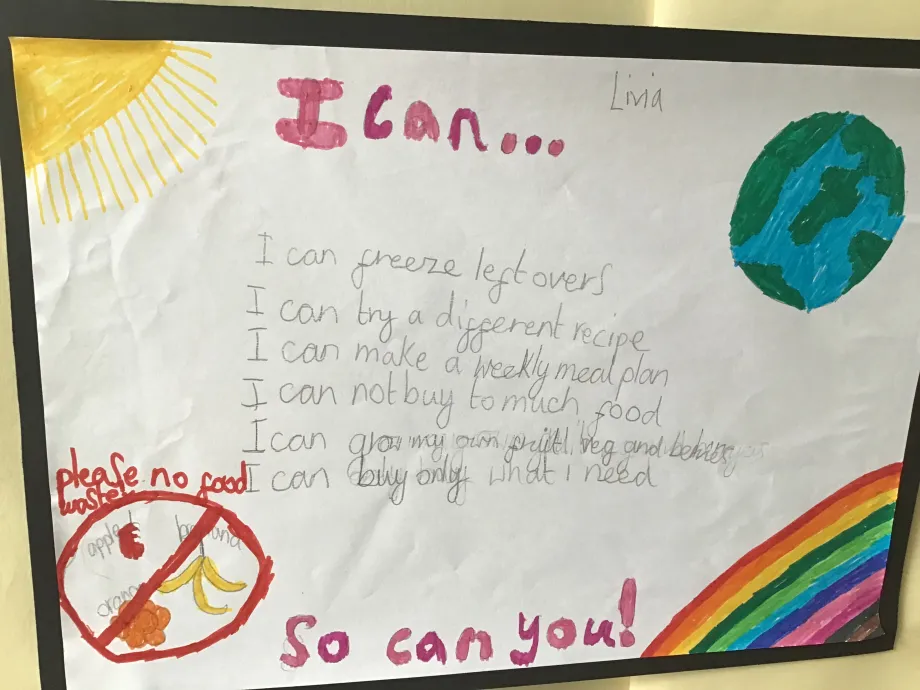
I hope reading some of the children’s comments highlights just how much they have learned and what they have enjoyed about the project. I would recommend nominating a person to co-ordinate the projects. I have re-established the eco council who have been invaluable in their support. The current extended heatwave is the perfect example why children need to know that they can take some actions, no matter how small, and the Kent Wilder categories have highlighted how they can do this. Thank you for supporting and valuing the work, that often stands a little bit in the background, yet should be in the forefront of every educational setting (in my opinion).
Take part in the Wilder Kent Awards 2026/27
Are you part of a nursery, school, college, university, community group, village/town/city group, or business taking action for nature? The Wilder Kent Awards is set up to recognise and reward your work.