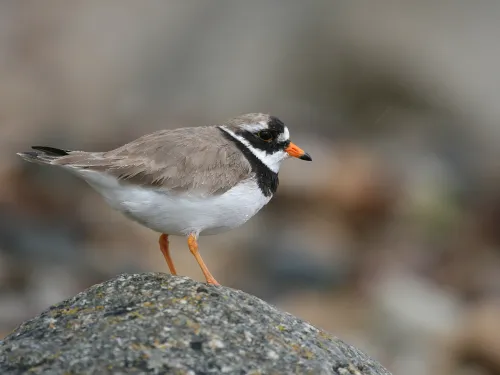
The ringed plover is a small wader that nests around the coast, flooded gravel pits and reservoirs. It is similar to the little ringed plover, but is a little larger, has an orange bill and legs, and doesn't have a yellow ring around its eye.
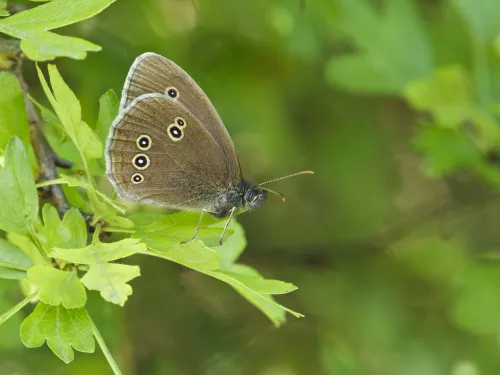
The ringlet gets its name from the small rings on the undersides of its wings. These rings show variation in the different forms of this species, even elongating into a teardrop shape.
The river lamprey is a primitive, jawless fish, with a round, sucker-mouth which it uses to attach to other fish to feed from them. Adults live in the sea and return to freshwater to spawn.
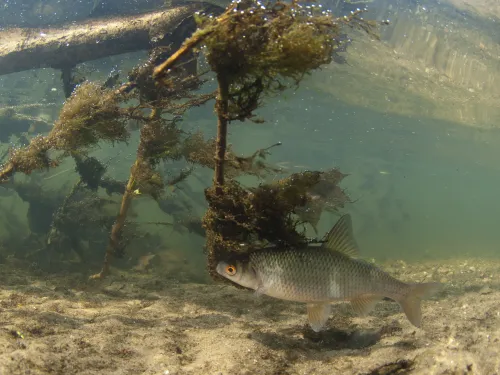
The silvery roach can be seen gathering in large shoals in lowland ponds, lakes and slow-flowing rivers. It is a member of the carp family and looks very similar to the dace, chub and rudd.
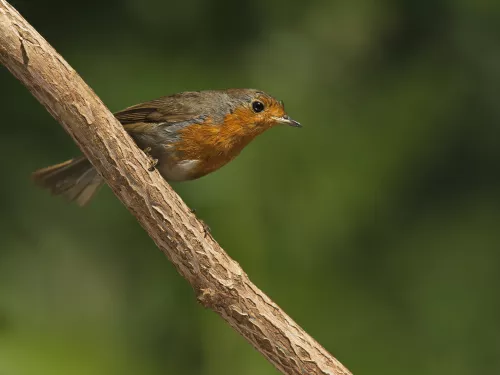
The much-loved robin is a garden favourite and one of our most familiar birds, adorning Christmas cards every year. It is very territorial, however, and will defend its post with surprising ferocity.
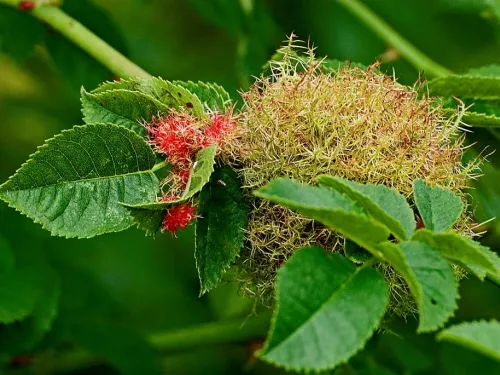
Living up to its name, the Robin's pincushion is a red, round, hairy growth that can be seen on wild roses. It is caused by the larvae of a tiny gall wasp that feeds on the host plant, but causes little damage.
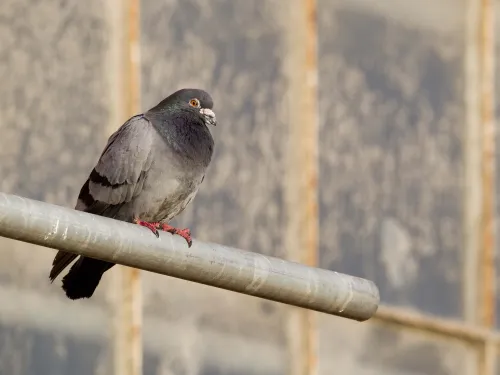
The wild rock dove is the ancestor to what is probably our most familiar bird - the feral pigeon, which is often found in large numbers in our towns and cities.
This little fish is found in rockpools during the summer months and has a clever adaptation that stops it being swept away by strong waves - their pelvic fins are fused to form a sucker that it uses to cling onto rocks.
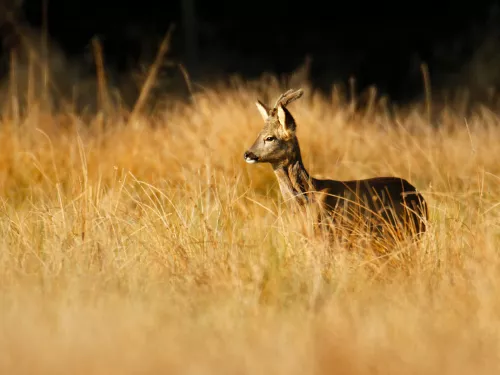
The attractive roe deer is native to the UK and widespread across woodland, farmland, grassland and heathland habitats. Look for its distinctive pale rump and short antlers.
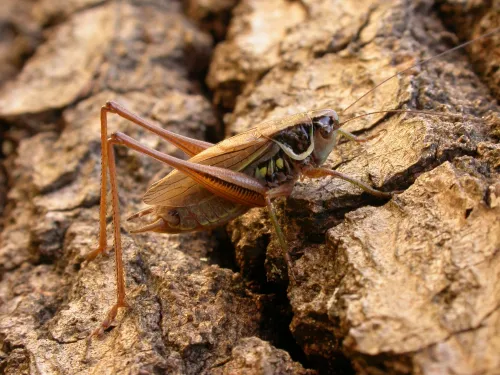
The song of the Roesel's bush-cricket is very characteristic: long, monotonous and mechanical. It can be heard in rough grassland, scrub and damp meadows in the south of the UK, but it is spreading north.