
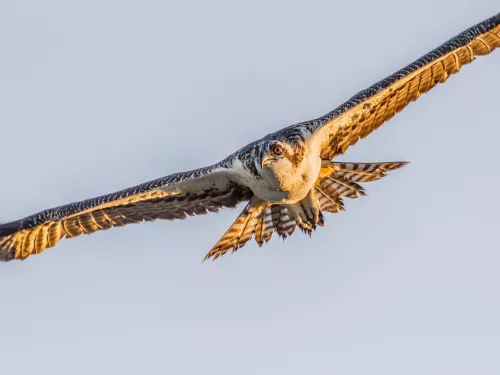
Osprey
A great way to get up close and personal with the magnificent osprey is via one of the many nestcams set-up in the places that it breeds: Scotland, Cumbria, Wales and the East Midlands.
Want to learn more about wildlife near you? You're in the right place, search below and discover the nature you can help protect in Kent.
A great way to get up close and personal with the magnificent osprey is via one of the many nestcams set-up in the places that it breeds: Scotland, Cumbria, Wales and the East Midlands.

Often growing in swathes along a roadside or field margin, the oxeye daisy is just as at home in traditional hay meadows. The large, white, daisy-like flowers are easy to identify.
Native Oysters are a staple of our seas and our plates - but our love of their taste has lead to a sharp decline all around the UK.
This jagged-shelled sea snail is normally found near its favourite food - oysters!
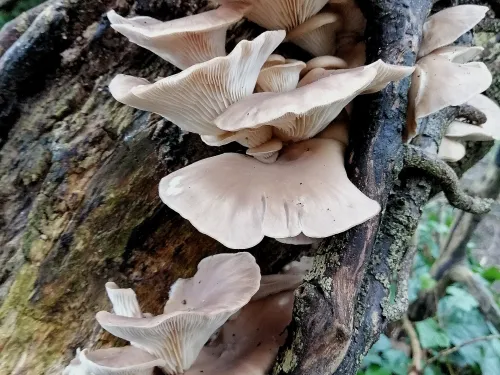
Oyster mushrooms are shell shaped fungi that grow in tiers or fabulous clusters on dead trees or stumps. Unlike many fungi, these mushrooms are not seasonal and can be found all year round, especially after a cold snap which can trigger the fungus into fruiting.
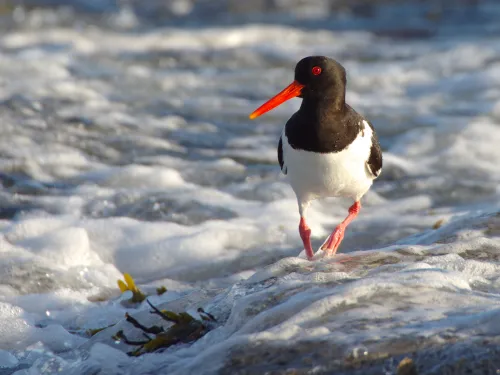
The loud 'peep-ing' call of an oystercatcher is a recognisable and familiar sound of the seashore. Look out for it hunting on rocky and muddy shores for shellfish to eat. It can also be spotted on some inland waterbodies where it has started to breed.
This slim fish is usually found on gravelly parts of the seabed, close to shore, but can turn up in rockpools.
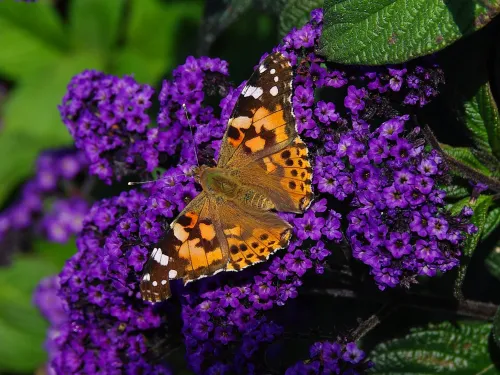
A well-travelled migrant, the painted lady arrives here every summer from Europe and Africa. This beautiful orange-and-black butterfly regularly visits gardens.
The beautiful pink and white bands of a Painted topshell make it easy to see where this little sea snail got its name!
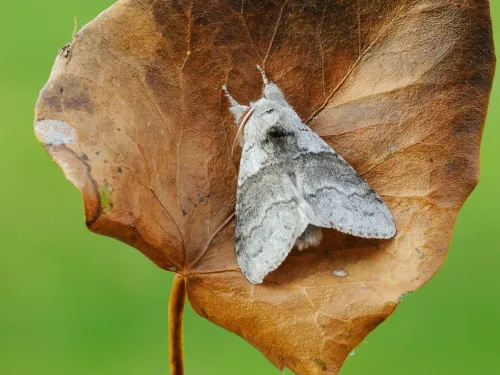
This large, fluffy-legged moth is often attracted to lights in May and June.
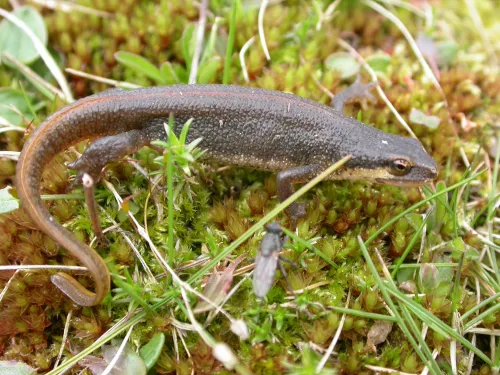
The palmate newt looks similar to the smooth newt, but favours shallow pools on acidic soils like heathlands. During the breeding season, males grow distinctive black webbing on their hind feet.
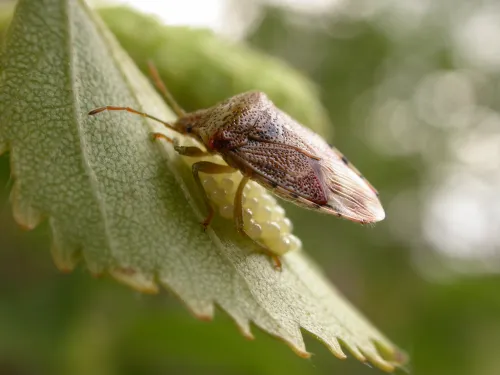
The Parent bug lives up to its name. The female lays her eggs on a Silver birch leaf, watching over them until they hatch. She stays with the young until they are adults. Other shield bugs lay their eggs and leave.