
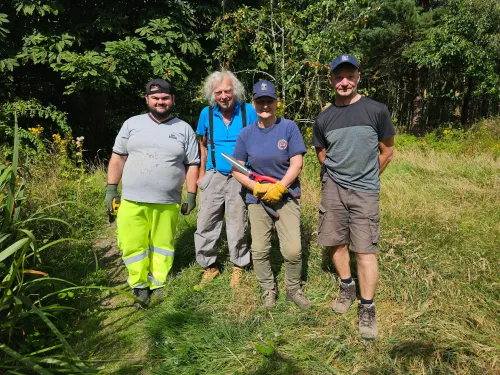
Volunteer with us
Join practical conservation tasks, habitat restoration projects and community events to help create a thriving landscape for wildlife.

At Ironhurst Valley, we’re restoring 350 acres of former farmland through habitat restoration, natural grazing, wetland creation and woodland management, creating a thriving, connected landscape where wildlife and people can flourish together.
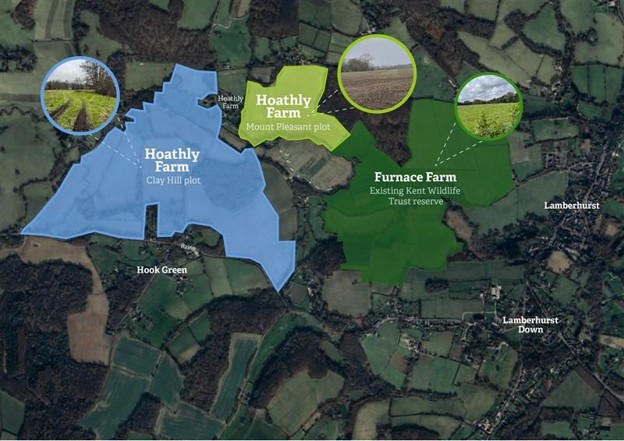
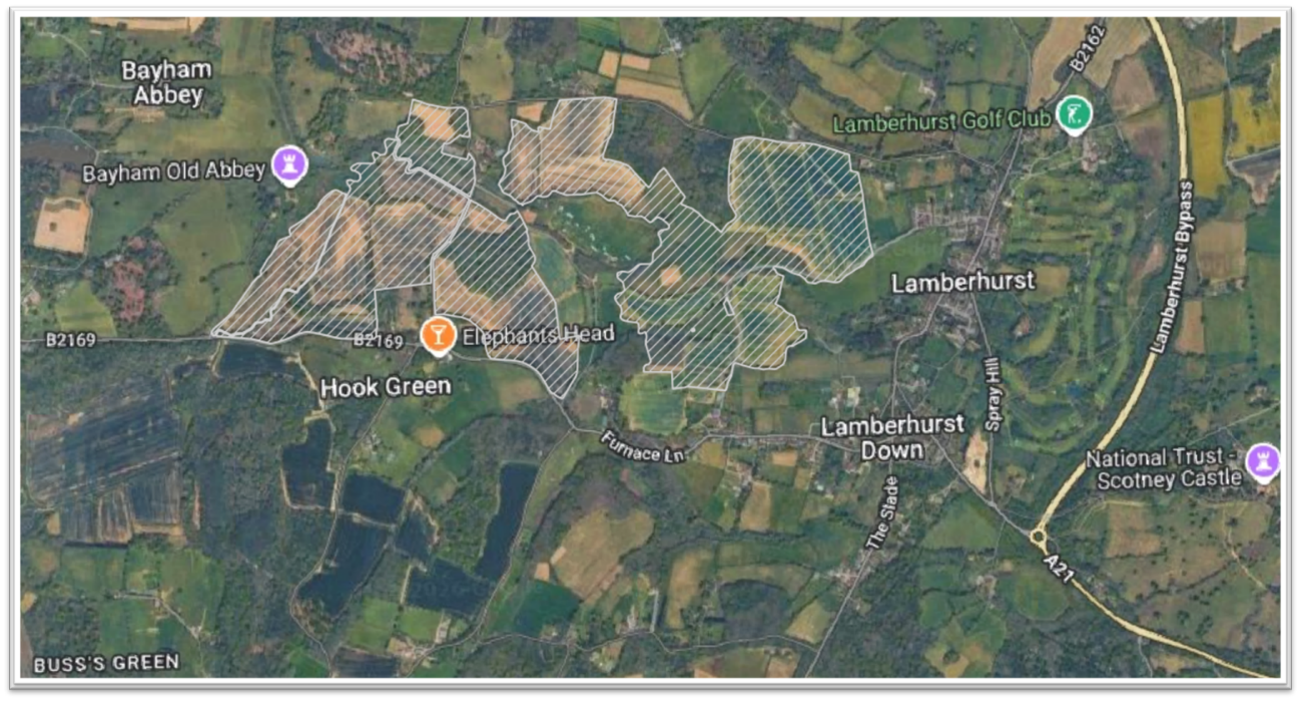
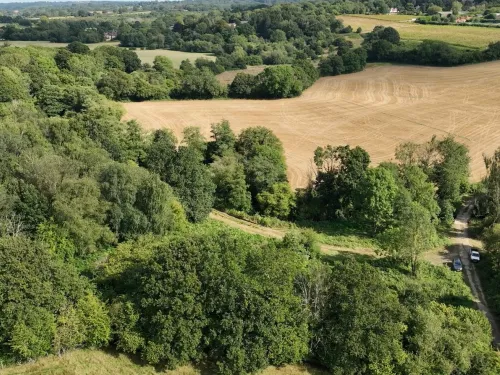
Nestled between Lamberhurst and Hook Green in the High Weald National Landscape, Ironhurst Valley is a 350-acre (140-hectare) nature recovery project transforming former farmland into a thriving, connected landscape for wildlife. Formerly known as Furnace and Hoathly Farms, the site is being restored through habitat creation, woodland management, natural flood management and conservation grazing, helping to reconnect habitats and support a rich diversity of species.
The project is restoring soil health, creating species-rich grasslands, expanding wetland habitats and encouraging natural regeneration to develop a more resilient and dynamic landscape. Longhorn cattle play a key role in this process, helping to create varied habitats that benefit wildflowers, insects, birds and other wildlife.
Ironhurst Valley is also a place for people. Through monitoring, citizen science, volunteering and community engagement, the project is connecting people with nature and helping them play an active role in the site's recovery. As part of a wider nature recovery network across Kent and Sussex, Ironhurst Valley demonstrates how landscape-scale conservation can deliver lasting benefits for wildlife, climate resilience and local communities.

If you have any questions or would like to know more, please contact us at [email protected]
Nature is under increasing pressure. Over many years, habitats have become smaller and more fragmented, making it harder for wildlife to find food, shelter and breeding sites. Climate change is adding to these challenges, bringing more extreme weather events and increasing flood risk.
At Ironhurst Valley, we have a unique opportunity to reverse this trend. Much of the site was previously managed for agriculture, leaving areas of habitat disconnected from the wider landscape. By restoring species-rich grasslands, wetlands, wood pasture, woodland and hedgerows, we are creating a richer, more connected landscape where wildlife can move freely, adapt and thrive.
Most importantly, Ironhurst Valley is creating opportunities for people to be part of nature's recovery. Through volunteering, community events, citizen science and learning opportunities, we are helping people connect with the landscape, develop new skills and play an active role in shaping a wilder future.
We are transforming 350 acres of former arable and pasture farmland into a diverse mosaic of species-rich grassland, wetland, wood pasture, woodland and hedgerow habitats. By restoring soil health, reconnecting fragmented habitats and allowing natural processes to shape the landscape, we are creating the conditions for nature to recover and thrive.
A richer variety of habitats will provide food, shelter and breeding opportunities for a wide range of species, from pollinators and farmland birds to amphibians, bats and small mammals. Conservation grazing with Longhorn cattle, natural regeneration and wetland creation will help create the varied habitat structure that wildlife depends upon.
Ironhurst Valley is a place for people as well as wildlife. Through volunteering opportunities, community events, citizen science projects and educational activities, we are working with local communities to help people connect with nature and play an active role in the site's recovery.
By restoring grasslands, creating wetlands and slowing the flow of water through the landscape, we aim to improve soil health, reduce erosion and retain more water on the land. These nature-based solutions will help support wildlife while contributing to natural flood management and will ultimately resilience to future environmental challenges while supporting healthier ecosystems.
Our vision is to create a self-sustaining, resilient landscape that can adapt to future environmental challenges. By working with natural processes and restoring habitats at scale, Ironhurst Valley will become an important part of a wider nature recovery network, delivering lasting benefits for wildlife, people and the environment for generations to come.
As the land regenerates, we hope to see the return of species that have been pushed to the margins by decades of intensive farming, among them yellowhammer, nightingale, turtle dove and dormouse.
Nature recovery is most successful when people are part of the journey. Whether you can spare a few hours, share your expertise, or help raise awareness, there are lots of ways to get involved and support the future of Ironhurst Valley.
Join practical conservation tasks, habitat restoration projects and community events to help create a thriving landscape for wildlife.
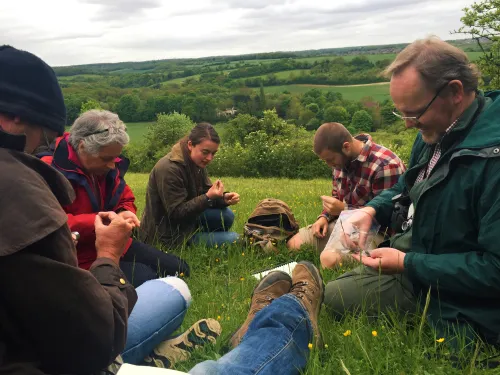
Help record wildlife, monitor habitats and track the changes taking place across the reserve, contributing valuable information that supports our conservation work.

If you're a local landowner, farmer or organisation, work with us to create a more connected landscape for wildlife across the wider area.
From sponsored challenges to community events, your fundraising can help support habitat restoration, species monitoring, community engagement and long-term nature recovery.

Share our story with friends, family and colleagues and help inspire others to support nature's recovery.
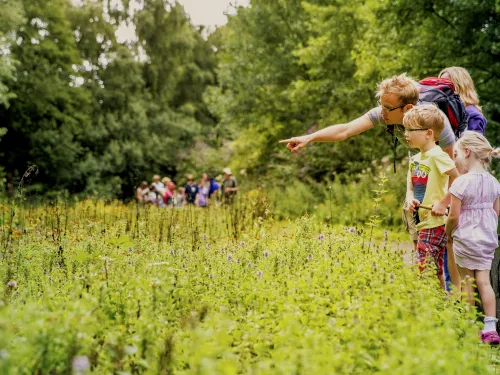
In September, we took part in the High Weald Walking Festival, leading a guided walk around Ironhurst Valley and sharing our vision for nature recovery across the site. Participants had the opportunity to explore the landscape, learn about the restoration work taking place, and hear how former farmland is being transformed through habitat creation, conservation grazing, woodland regeneration and natural flood management. The walk sparked conversations about the importance of landscape-scale conservation and gave visitors a chance to see firsthand how nature is beginning to return, while also celebrating the unique heritage and character of the High Weald.
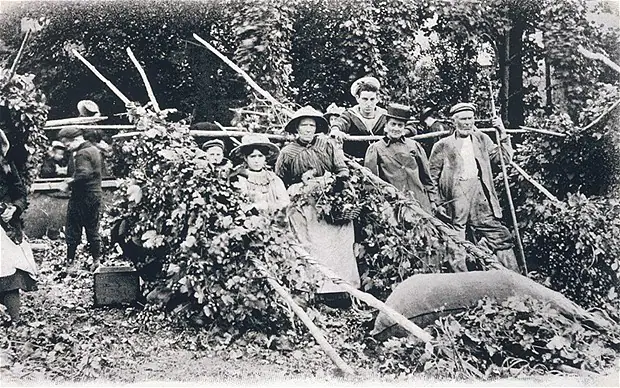
In August, we were delighted to support the local community at the annual Hopper’s Event, celebrating the rich heritage of hop growing in the area. Hop picking was once an important part of life at Ironhurst Valley, with families from the Eastend of London coming to Kent working in the hop gardens that helped shape the landscape and community. Taking part in the event provided a wonderful opportunity to connect people with the site's history, share our vision for its future, and celebrate the cultural heritage that makes this landscape so special. By recognising the area's farming past alongside its ecological restoration, we can ensure that both the natural and cultural stories of Ironhurst Valley continue to be valued and remembered.
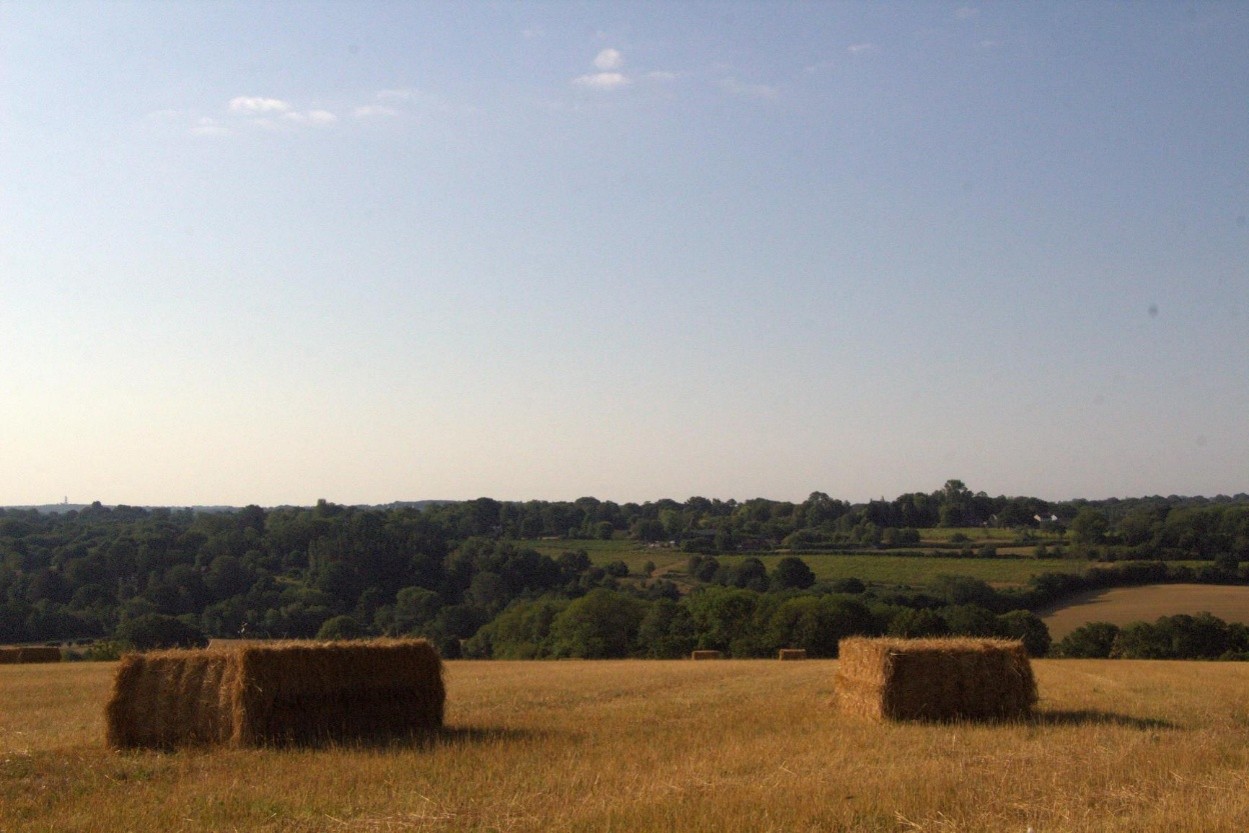
In July, we completed our first hay cut of the wildflower and grass fields. This helps to remove excess nutrients from the soil, improving soil health, increasing water retention, and creating the conditions needed for a greater diversity of wildflowers and grasses to establish. Over time, this will support a richer variety of insects, birds and other wildlife, helping to create healthier, more resilient habitats across Ironhurst Valley.
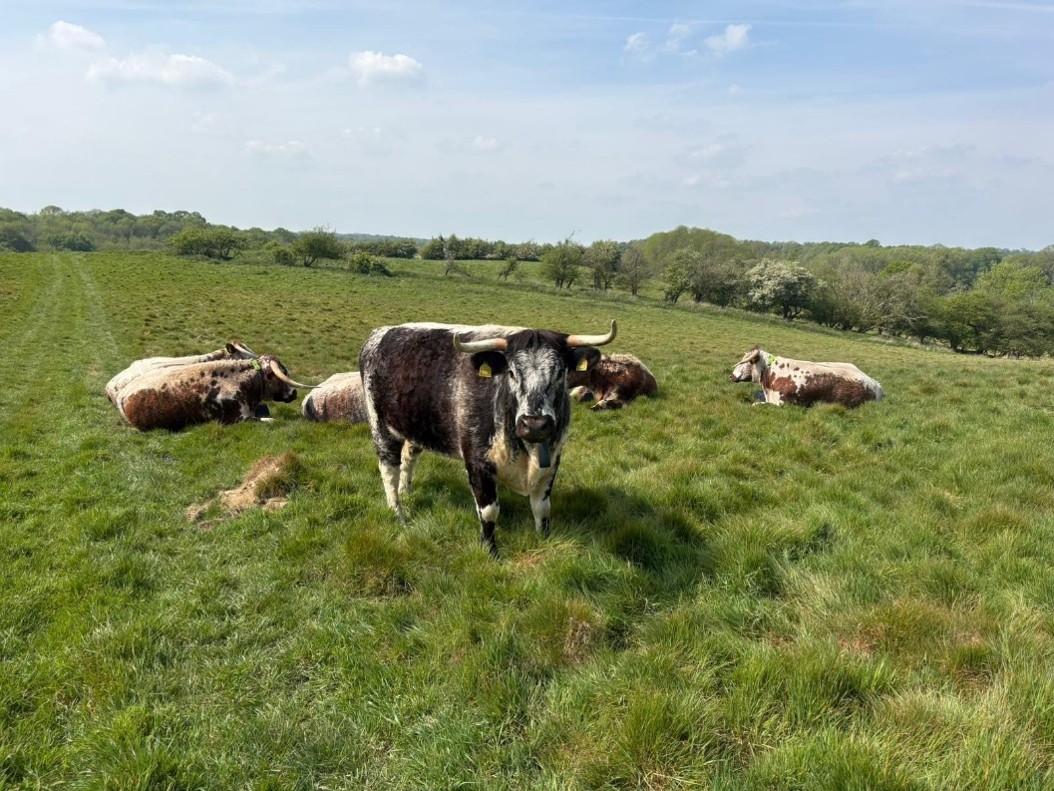
In May 2026, we introduced six Longhorn cattle to Ironhurst Valley to help restore species diversity across grasslands currently dominated by coarse grasses. Through their natural grazing behaviour, the cattle create a varied mosaic of vegetation, opening up space for wildflowers and other plants to establish, while providing valuable habitat for insects, birds and small mammals. Over time, this conservation grazing will improve soil health, increase plant diversity and help create a richer, more resilient landscape for wildlife.
Fencing works at Furnace Farm in March were a key step in preparing the site for conservation grazing, enabling the introduction of Longhorn cattle to help restore species-rich grassland and support habitat recovery. The new fencing also protects hedgerows and creates buffer areas around woodlands, helping them expand and regenerate naturally. This important work was made possible thanks to funding from the High Weald National Landscape Partnership through its Defra-funded capital programme, which supports projects that enhance the landscape for both wildlife and people.
Other highlights this year include the creation of the Teise Valley Partnership, a growing collaboration of farmers, landowners, local residents and community members united by a shared commitment to nature recovery. Working together across the wider landscape, the partnership is helping to develop a coordinated approach to conservation, recognising that wildlife does not stop at field boundaries.
The group continues to go from strength to strength and is currently developing ambitious plans focused on landscape-scale monitoring, river restoration, habitat creation and community engagement. By sharing knowledge, building connections and working collaboratively, the partnership is laying the foundations for a more resilient and connected landscape that will deliver lasting benefits for wildlife, water, climate resilience and local communities.

Combined Furnace Farm and Hoathly Farm site in the High Weald owned by Kent Wildlife Trust will be known as Ironhurst Valley Nature Reserve - a near-continuous wildlife corridor stretching across the Kent–Sussex border.

Before a single hedge is planted or a pond is dug at Ironhurst Valley, we wanted to know what was already happening out of sight. So, before any restoration work begins above ground, we went looking for life below it.
Earlier this year, two wildlife surveys at Ironhurst Valley recorded 176 plant and animal taxa, including six plants on the Kent Rare Plant Register. Discover the rare wildflowers, nesting bees and other species found on this riverside reserve.
We were thrilled to secure funding from Tunbridge Wells Borough Council for hedge planting and restoration work at Ironhurst Valley. These improvements will play an important role in reconnecting habitats, supporting wildlife and restoring key features of the landscape. Fencing has been made possible thanks to support from the High Weald National Landscape Partnership, through its Defra-funded capital programme, which invests in initiatives that create a thriving, beautiful landscape for everyone to enjoy.
We have also received support from the High Weald National Landscape team, through the Farming in a Protected Landscape (FiPL) programme, which has enabled us to commission a full building inspection and historical survey of the hopper huts and cook house at Furnace Farm. This important milestone gives us a strong foundation as we plan the future of these much loved heritage buildings.


Ironhurst Valley Nature Reserve is a 350-acre (140-hectare) nature recovery project between Lamberhurst and Hook Green in the High Weald National Landscape. The site is being transformed from former farmland into a thriving, connected landscape for wildlife through habitat restoration, conservation grazing, woodland regeneration and wetland creation.
You can find out more about how to access and visit the reserve here.
Many wildlife species are facing increasing pressures from habitat loss, fragmentation and climate change. Ironhurst Valley aims to restore and reconnect habitats, creating more space for nature to recover while providing benefits for people and the wider environment.
The project is restoring a diverse range of habitats, including species-rich grasslands, wetlands, wood pasture, woodland and hedgerows. Together, these habitats will provide homes for a wide variety of wildlife and improve connectivity across the landscape.
Conservation grazing is a natural way of managing habitats. The Longhorn cattle help create a variety of vegetation heights and structures, allowing wildflowers and other plants to flourish and providing valuable habitat for insects, birds and small mammals.
Yes, we are exploring opportunities to improve visitor access while ensuring wildlife and sensitive habitats are protected. Existing public rights of way remain open, and any future access improvements will be carefully planned to balance conservation and public enjoyment.
The project will use natural flood management techniques to slow the movement of water through the landscape, helping to reduce erosion, improve water retention and create valuable wetland habitats that support wildlife.
There are many ways to support Ironhurst Valley, including volunteering, taking part in citizen science and monitoring projects, attending community events, fundraising or supporting habitat restoration initiatives.
You can stay updated with our latest opportunities by signing up for the project newsletter here.
The Teise Valley Partnership is a collaboration of farmers, landowners, residents and community members working together to support nature recovery across the wider landscape. The partnership focuses on habitat creation, river restoration, monitoring and community engagement.
Ironhurst Valley is supported through a combination of charitable funding, grants, partnerships and donations. We are grateful to organisations, funders and supporters who help make nature recovery possible.
Nature recovery is a long-term process. While some changes can be seen within a few years, restoring habitats and ecological processes takes time. Ironhurst Valley has been designed as a long-term project that will continue to evolve and benefit wildlife and people for generations to come.
You can follow updates through Kent Wildlife Trust's website, newsletters, social media channels and project events, where we regularly share news, opportunities and stories from Ironhurst Valley.
You can sign up to specifically hear about Ironhurst Valley here.
Yes. Well-behaved dogs are welcome on public rights of way across the site. We ask all visitors to help us protect wildlife, livestock and other visitors by following the guidance below.
We ask that dogs are kept on a lead when near livestock and in areas where wildlife may be particularly sensitive, especially during the bird nesting season. Following signage on site helps ensure the safety of both wildlife and your dog. Although our Longhorn cattle are generally calm and well accustomed to people, livestock can react unpredictably to dogs. Keeping your dog on a lead helps reduce stress for the animals and ensures everyone can enjoy the reserve safely.
Stay calm, keep your dog close and on a lead, and move away from the cattle steadily and safely. If cattle become interested in you, continue walking calmly towards the nearest exit or clear pathway.
Dogs can unintentionally disturb wildlife, particularly ground-nesting birds, mammals and other sensitive species. Keeping dogs under close control helps protect the wildlife that Ironhurst Valley is being restored to support.
Yes. Please always pick up after your dog and dispose of waste responsibly. Dog waste can affect soil and water quality and can be harmful to both wildlife and grazing livestock.
As the reserve develops, we will continue to review opportunities for visitor access and recreation alongside our commitment to nature recovery. Any future access improvements will be carefully designed to balance public enjoyment with the needs of wildlife.
We ask owners to be mindful around waterbodies, as these areas can provide important habitats for wildlife. Please follow any site-specific signage and keep dogs under close control near sensitive habitats.