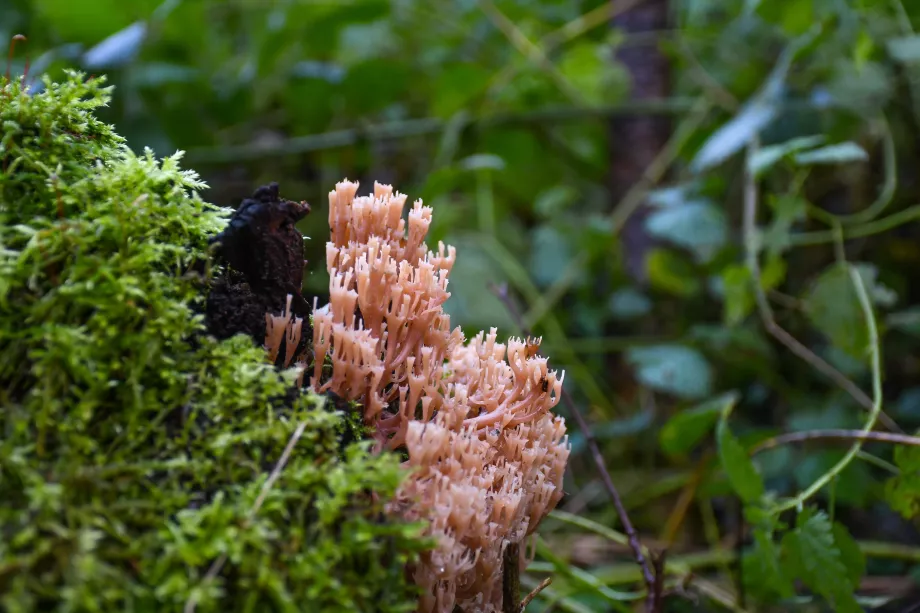
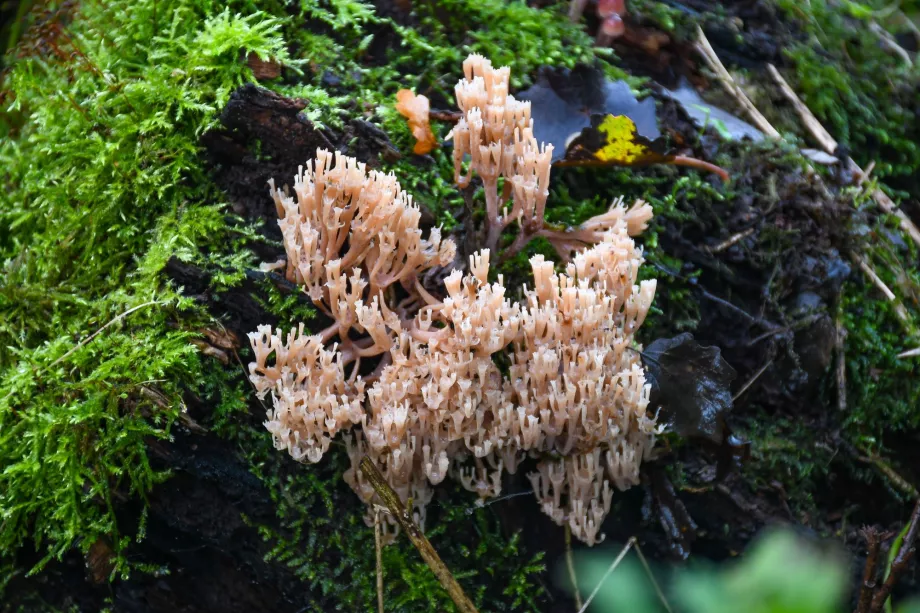
Mike Green of the London Fungus Network said: “On stumbling across the specimen I didn’t recognise it at first and posted the photo of this fabulous fungus on the British Mycological Society's Facebook page. A week later I had two replies telling me it was the rare species Artomyces pyxidatus. This species is rare to the UK and it is thought that the Addington find is only the twelfth record in Britain since 1886.
“It was actually Rhianna who first spotted it, which is remarkable as she is new to fungi, so she has got off to an incredible start!”
Natasha Aidinyantz of Kent Wildlife Trust said: "It's always exciting to find a rare and unusual plant, animal or fungus in your home county but what makes this particularly interesting is that we seem to have a pattern of distribution building in the East of England, starting in East Anglia and then making it's way down to Kent and Sussex. This fungus is common in North America and in the boreal/semi-boreal regions of Europe so how it wound up on the flat side of Southern UK is a bit of a mystery. But it just goes to show nature doesn't play by our rules and that's very much what is so beautiful about it."
The record of the most recent find has been submitted to iRecord, with a sample sent to the Fungarium at the Royal Botanic Gardens, Kew.