
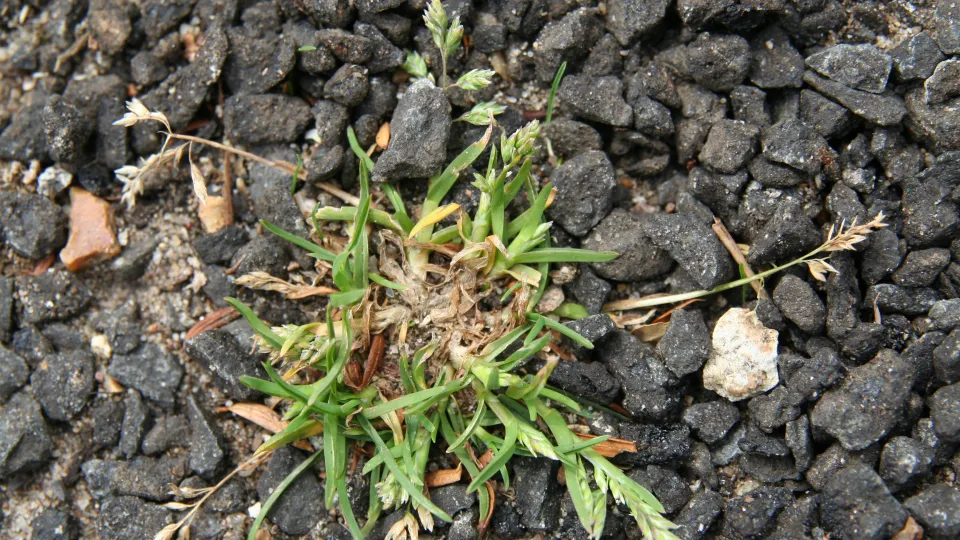
Annual meadow-grass
Annual meadow-grass is a coarse, vigorous grass that can be found on waste ground, bare grassland and in lawns. In some situations, it can be considered a weed.
Annual meadow-grass is a coarse, vigorous grass that can be found on waste ground, bare grassland and in lawns. In some situations, it can be considered a weed.
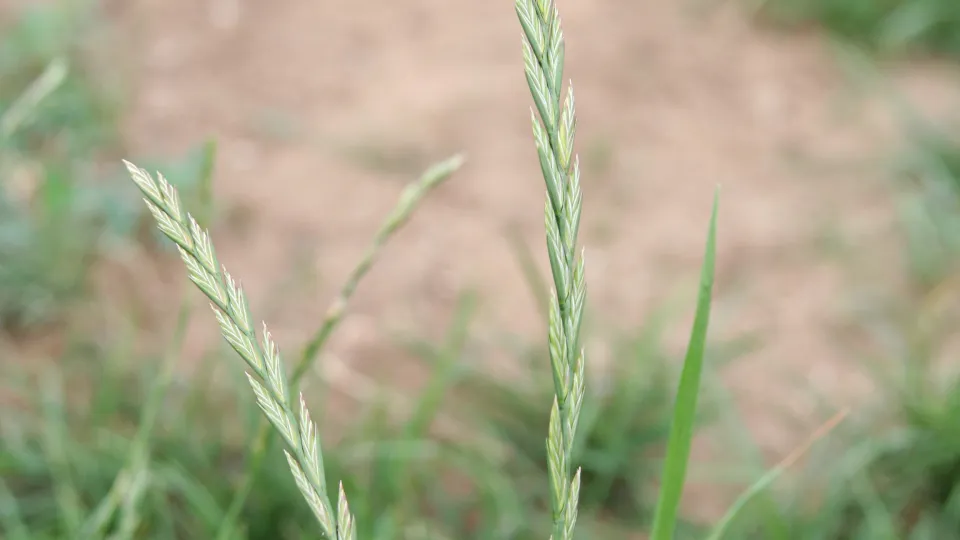
Perennial rye-grass is a tufted, vigorous grass of roadside verges, rough pastures and waste ground. It is commonly used in agriculture and for reseeding grasslands.
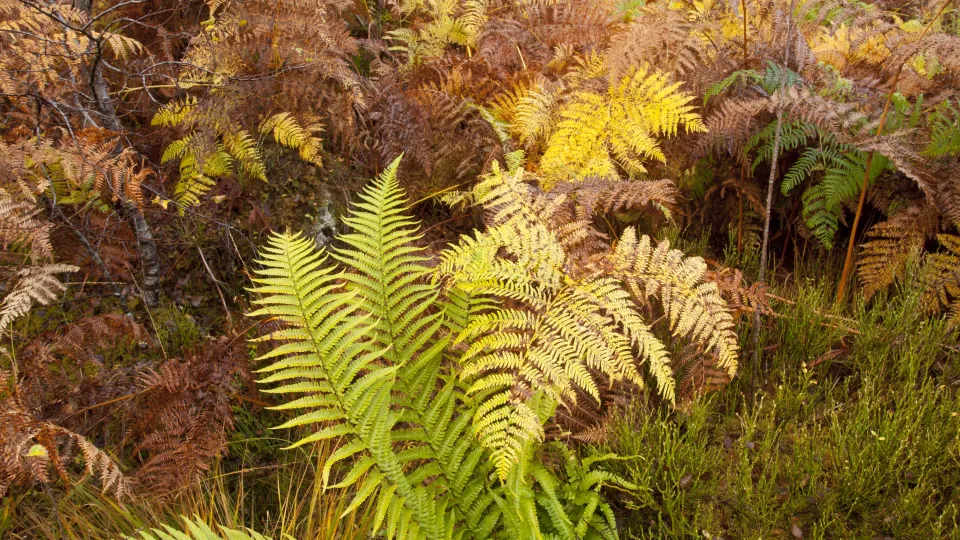
A classic fern of woodlands across the UK, the male-fern is also a great addition to any garden. It grows impressive stands from underground rhizomes, dying back in autumn.
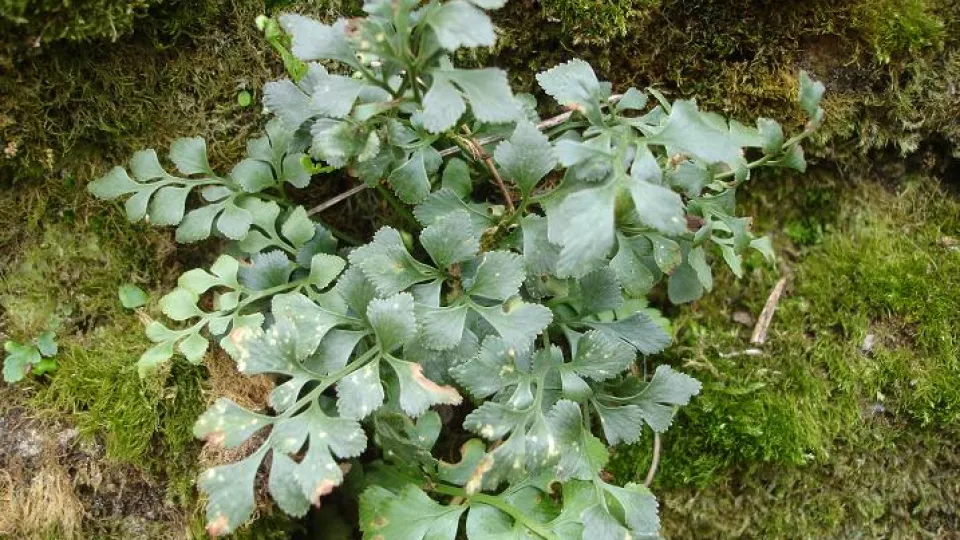
With club-shaped leaflets on its fronds, wall-rue is easy to spot as it grows out of crevices in walls. Plant it in your garden rockery to provide cover for insects.
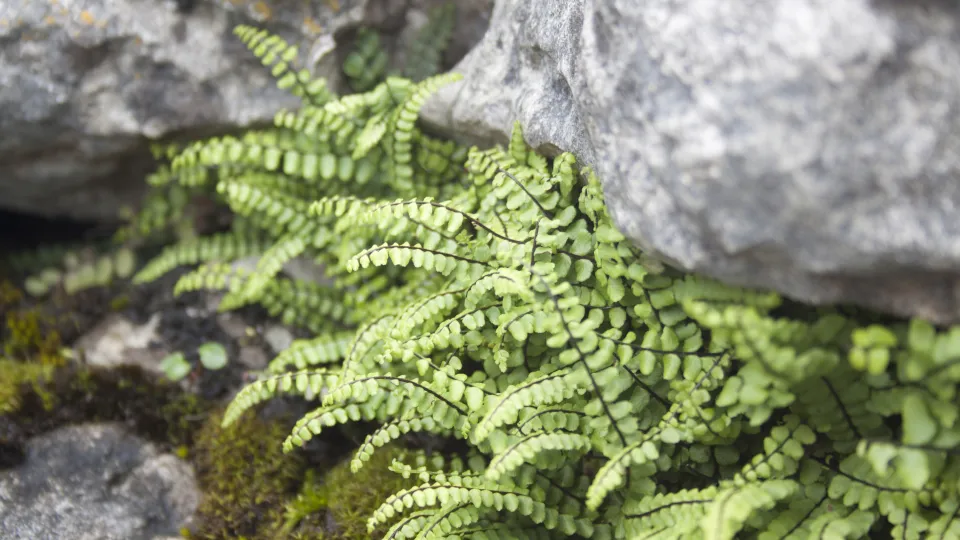
A small, tufted fern, maidenhair spleenwort can be found growing out of crevices between rocks, in walls and on mossy branches across the UK.
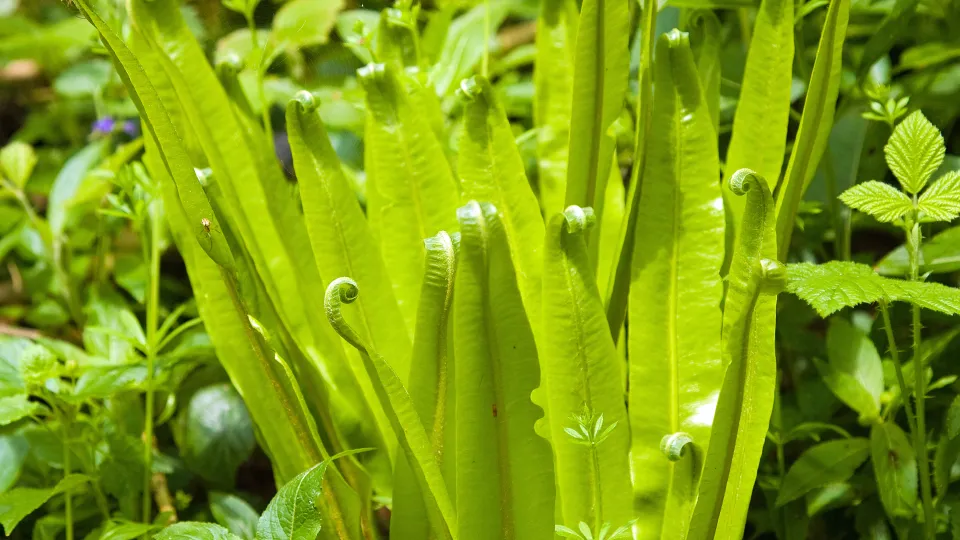
The hart's-tongue fern is a hardy fern of damp, shady places in woodlands. It also makes a good garden fern. It has simple, tongue-shaped, glossy, green leaves that have orange spores on their undersides.
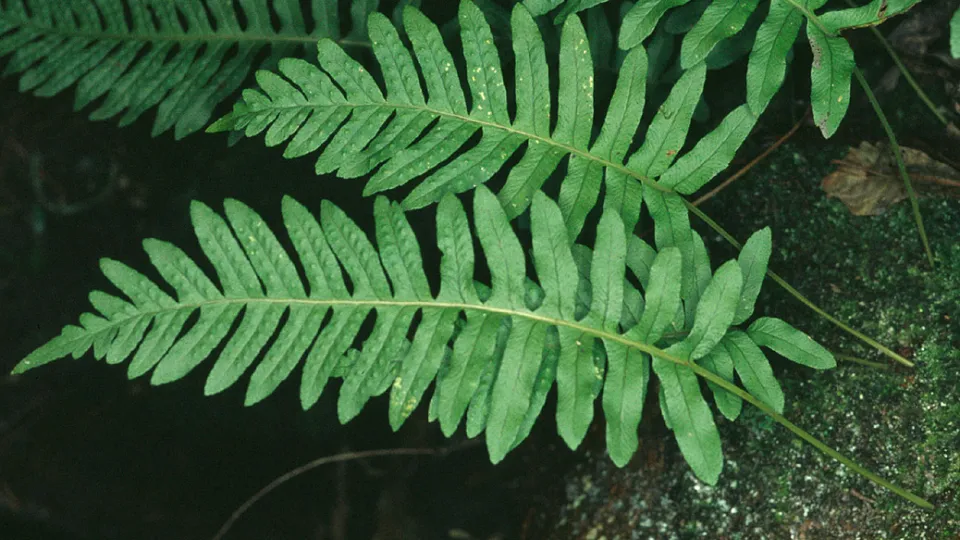
The common polypody is a hardy fern of damp, shady places in woodlands. It also makes a good garden fern. It has ladder-like, leathery foliage with pimply undersides - these spots are the spores.
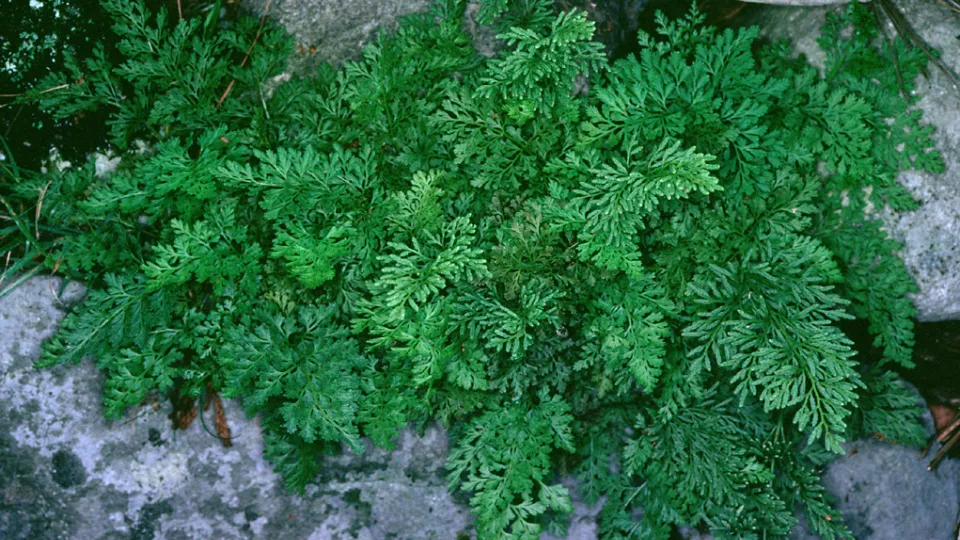
Parsley fern lives up to its name - the pale green fronds form in clusters among rocks and look just like parsley. Look out for it in upland areas, particularly in Wales and Cumbria.
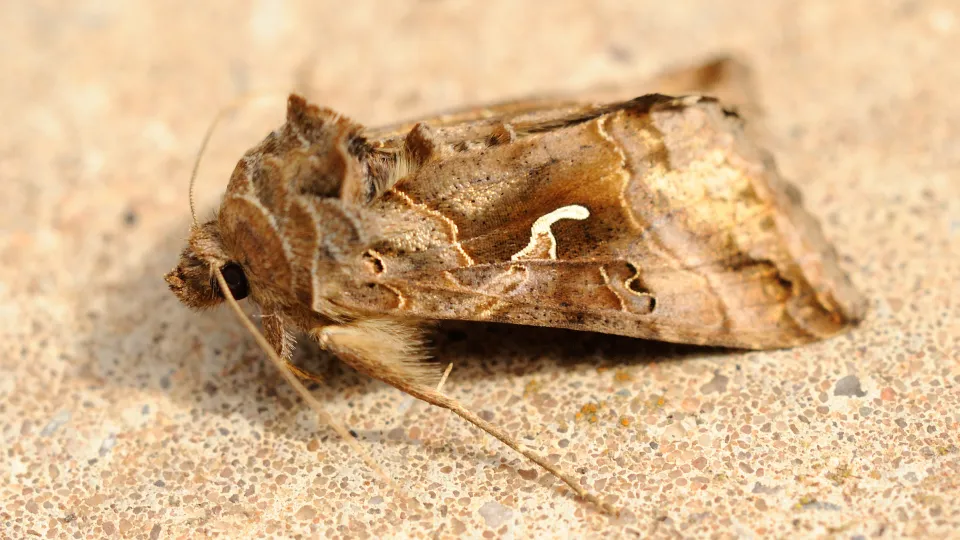
The Silver Y migrates to the UK in massive numbers each year - sometimes, an estimated 220 million can reach our shores in spring! Seen throughout the year, it is very common in gardens and grasslands.
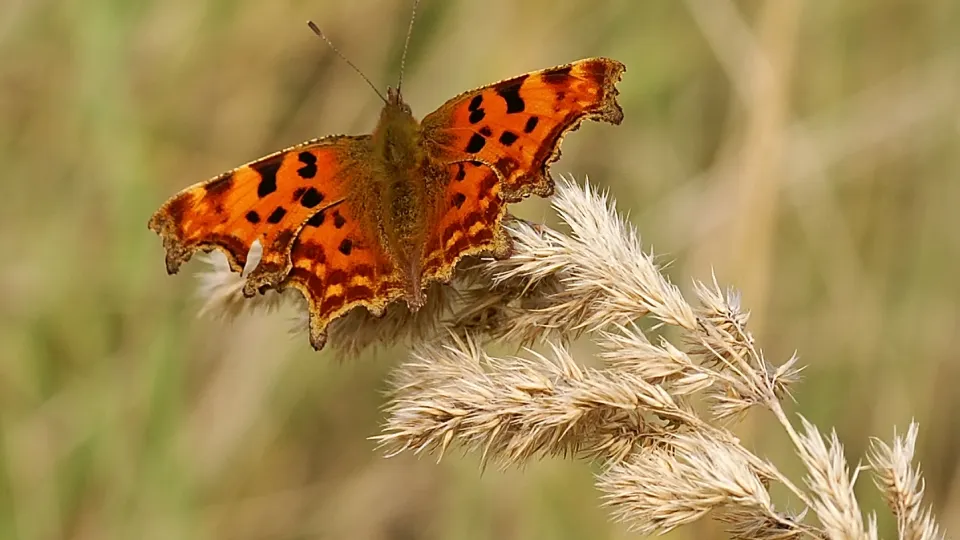
The comma has distinctively ragged wing edges, which help to camouflage it - at rest, it looks just like a dead leaf! It prefers woodland edges, but can be spotted feeding on fallen fruit in gardens.