
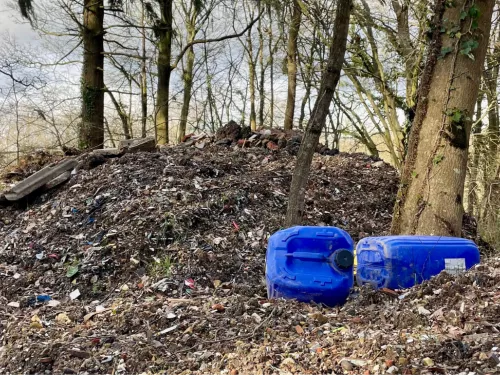
3 Kent woodlands in crisis
Senior Press and Advocacy Officer Sally Smith shines a spotlight on some of the woodlands at risk in the county and what Kent Wildlife Trust is doing about it.
Learn more about the wildlife and wild places in Kent and beyond.
Senior Press and Advocacy Officer Sally Smith shines a spotlight on some of the woodlands at risk in the county and what Kent Wildlife Trust is doing about it.
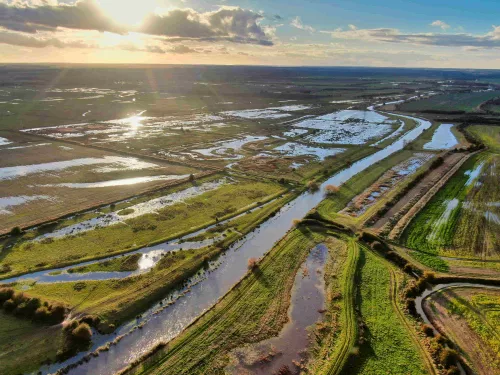
The term 'functionally linked land' goes hand in hand with habitat fragmentation. Find out why it's important and how it's at risk by the Sea Link project.
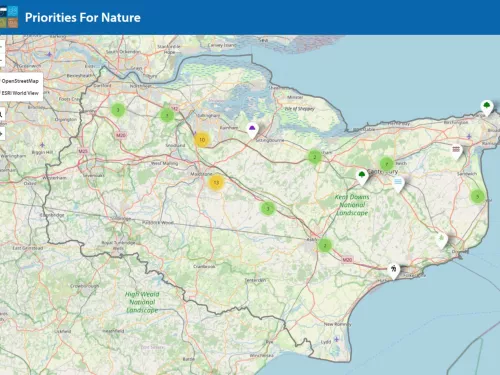
Local Nature Recovery Strategies (LNRS) are developing a spatial plan for nature and environmental improvement that will underpin England’s emerging Nature Recovery Network.
Those of you who have been following the development of the Blue Influencers Scheme being delivered by Kent Wildlife Trust may recall that KWT successfully bid for funding from The Ernest Cook Trust and the #iwill Fund and were awarded £20,000 a year for three years. This enabled the recruitment of Jenny Luddington to the role of Blue Mentor, who will be responsible for recruiting young people to become ‘Blue Influencers’.
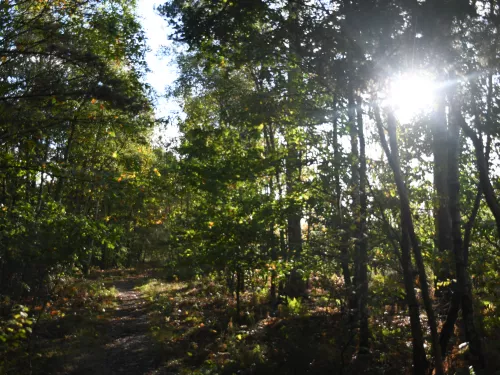
How do you combine business and biodiversity? Can we create a new way of collaborating which benefits wildlife and people? Conservation at a landscape-scale needs everyone involved; no one person or organisation can tackle the challenges our natural spaces face alone, and the Blean is no exception. This concept has initiated our Blean Business and Biodiversity Network.
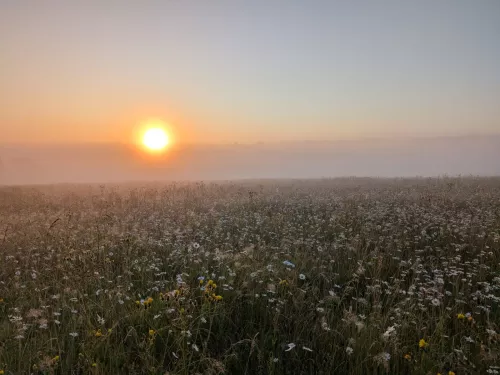
It seems we too often forget that nature isn’t a ‘nice to have’, but an absolute necessity if us humans want to survive as a species.
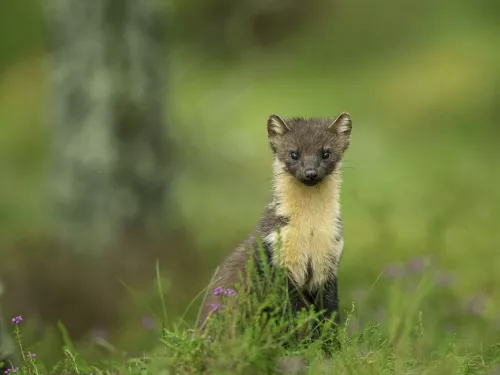
This year, Kent Wildlife Trust, in collaboration with Wildwood Trust and Sussex Wildlife Trust, Ashdown Forest and Forestry England, is beginning to explore the social and ecological feasibility of reintroducing pine martens to Kent and Sussex, while co-developing a ten-year strategy with a wide range of stakeholders to restore the species in the South East.
The integration of technology into environmental conservation has revolutionised the way we protect and manage our natural resources. From remote sensing to artificial intelligence, technological advancements are providing innovative solutions to some of the most pressing environmental challenges.