Margery Thomas

Margery Thomas

Kent Wildlife Trust Volunteer

Featured content from the author

Blog
A group of Ashford Kent Wildlife Trust volunteers standing with their Wilder Kent Award certificates.

August on Hothfield Heathlands: Barn owls & volunteers

Blog

By August, floral glory has passed from the orchids (heath spotted, southern marsh and a few large hybrids) to the heather or ling. As ever, we hope for a protracted display of purple in the heathy areas, which is likely if the cool nights persist. Orchid seed is now ripening. Dust-like, dispersed on the wind, the seed contains no nutrients to support germination so needs a mycorrhizal fungus to supply nutrients from the soil to its roots. From seed to flowering takes three years or more.

Blog

Nightingales at Hothfield Heathlands in June

Blog

On 19th May one hundred years ago, the first outdoors broadcast by the BBC was of professional cellist Beatrice Harrison playing to and with nightingales in the garden of her Surrey home. Around a million listeners tuned in to the midnight broadcast, and she performed for similar outdoor broadcasts over the next twelve years.

Blog

May on Hothfield Heathlands

Blog

Margery Thomas describes another delightful May in Hothfield Heathland where volunteers conducted an amphibian torchlight survey on a number of Hothfield ponds. To learn what they found, read on!

Featured content from the author

Blog
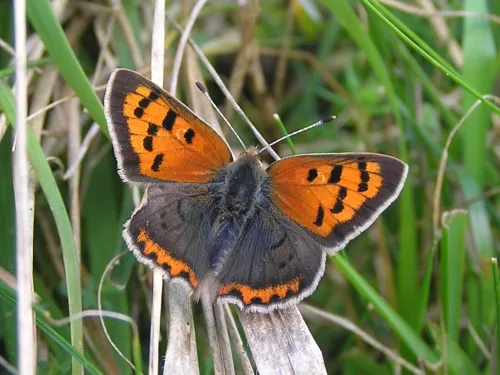
small copper butterfly on the grass

June on Hothfield Heathlands

Blog

We have had the driest spring since 1956, with river and stream flow already well below average for the time of year, a worry for everyone. Area Manager Ian Rickards reports that “this crazy weather has been beneficial for some insects, but the vegetation is already struggling, which will have a knock-on effect other insects later in the year. Water levels are dropping dramatically, with ponds and water bodies drying out very quickly.” The livestock have water troughs but the thin layer of peat in the bogs can dry out easily and be eroded by wind when exposed as plants adapted to damp conditions wither. The successive broods of nestling birds mostly eat insects and larvae, which provide moisture as well as protein, so they are also at risk.